
Why do ants and aphids have a mutualistic relationship?
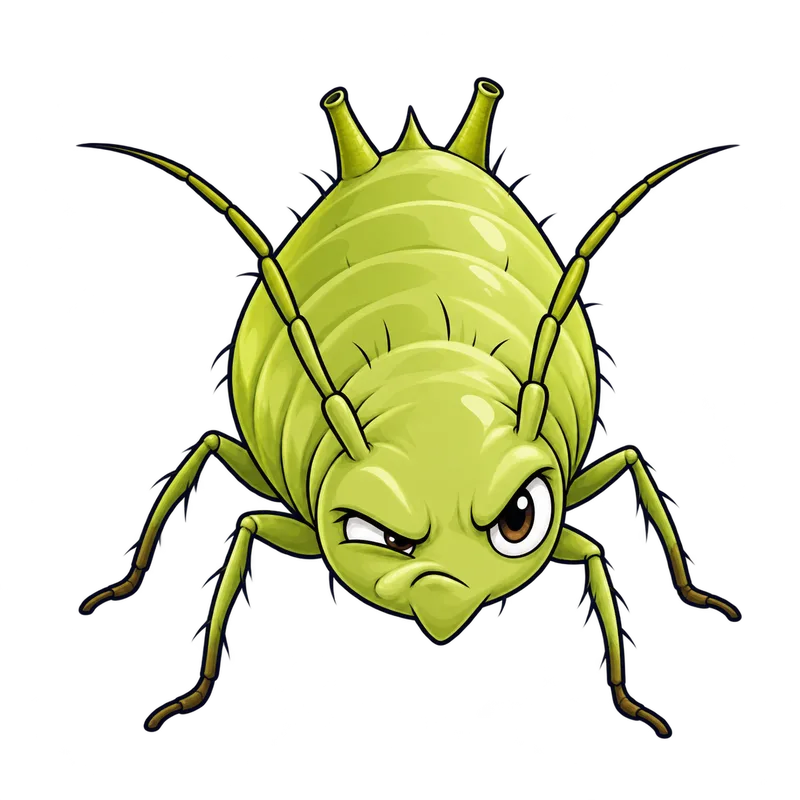
Ants and aphids share a mutualistic relationship because aphids drink staggering amounts of plant sap and excrete a sugary liquid called honeydew. Ants protect and farm the aphids to harvest this continuous supply of sweet waste, which provides a reliable, long-term pantry that fuels hundreds of foraging workers through the growing season.
What is actually going on
You walk out to your driveway on a warm summer morning, reach for radios or the car door handle, and notice your fingers stick to the paint. Look up, and you might spot a grand old shade tree playing host to a steady parade of ants marching up and down the bark. It looks like a busy highway of tiny commuters, but they are not there to inspect the leaves. They are running a remarkably efficient farming operation.
To understand why ants and aphids share this bustling routine, you have to look at how aphids make a living. These soft-bodied little bugs use needle-like mouthparts to pierce plant stems and leaves, tapping directly into the rich, flowing sap stream inside. Because plant sap is mostly water and simple sugars packed under pressure, an aphid has to drink staggering amounts of it just to get enough protein. The rest of that sugary liquid is practically wasted, so they squirt it right back out.
That excreted liquid is called honeydew, and it is essentially a high-energy drink falling like rain across the foliage. Ant workers patrol the branches day and night specifically to harvest this sweet reward. They lap up the fresh drops straight from the aphids, packing their crops full of concentrated carbohydrates to fuel their own colonies back in the ground or inside a nearby stump.
You might wonder why the ants do not just eat the aphids instead of treating them like livestock. The answer comes down to math and steady supply lines. A single aphid colony acts like a renewable sugar tap, producing continuous drops of sweet waste all day long. Killing the aphids would mean a quick snack today, whereas protecting and farming them provides a reliable, long-term pantry that feeds hundreds of foraging workers through the whole growing season.
How to tell for sure
Spotting this relationship in your yard usually starts with a sticky mess or a heavy trail of ants on ornamental shrubs, fruit trees, or garden perennials. If you look closely at the undersides of the curled leaves or along the tender green shoots, you will usually find clusters of tiny, pear-shaped aphids packed tightly together, often flanked by larger ants standing guard or stroking the aphids with their antennae.
You can tell whether you are dealing with sap-sucking aphids by the presence of that shiny, sticky residue on the leaves below them. When that sugary dew is left uncollected by ants, it usually coats the foliage, patio furniture, or parked cars underneath, quickly turning black as a superficial layer of sooty mold fungus colonizes the sweet film. The mold looks alarming, but it is just feeding on the mess left behind rather than attacking the plant tissue directly.
If the ants on the tree are large, dark, and measure anywhere from a quarter-inch to a half-inch long, they are usually carpenter ants. People often panic seeing them climb fruit trees or maples, worrying they are eating the bark or destroying the trunk. In reality, these foragers are just visiting the aphid cafeteria. Carpenter ants excavate wood solely to build nest galleries, but they do not eat the wood itself, preferring to spend their waking hours scouring the canopy for sweet honeydew and insect proteins.
What usually comes next
When you spot ants farming aphids on a favorite rose bush or the maple tree by the porch, your most effective move is to break the food chain by targeting the aphids. If you get rid of the sap-suckers, the ants lose their main reason for hanging around that branch and will simply pack up and move somewhere else.
You can often knock back an aphid crowd just by grabbing the garden hose, fitting it with a solid spray nozzle, and blasting the leaves with a firm stream of water. That forceful rinse ruins their feeding posture, knocks them straight off the stems, and washes away the sticky honeydew that brought the ants running in the first place.
If you see big ants marching up a tree trunk to reach the upper branches, take a hard look at whether low-hanging limbs are brushing against your siding, roof, or fence line. Trimming those green highways forces the ants to take a much tougher route up the bark, which usually discourages them from treating your house as a handy shortcut. Focus your energy on cleaning up wet spots, clearing away rotting wood near the foundation, and letting ladybugs and other natural predators handle the canopy.
When to get help
Most backyard ant and aphid teams are just an annoying cosmetic problem instead of a true crisis, but a few warning signs mean it is time to call in a professional. If you find ants dropping piles of coarse, sawdust-like debris mixed with insect parts near baseboards, porch columns, or framing timbers, you are likely looking at a hidden nest hollowed out inside your walls. That sort of structural damage demands a licensed pest control operator who knows how to find the main colony and apply targeted treatments by the book.
You also need to recognize when an ant situation stops being a simple nuisance and turns into a medical concern. Certain aggressive ants that live in the dirt pack a painful sting that leaves you with burning pain and lingering skin bumps. If you or someone in your home shows signs of a severe allergic reaction, gets stung multiple times, has trouble breathing, or starts swelling up around the face or throat after an ant encounter, get emergency medical help from a clinician or poison control center right away.