
How do you get rid of woolly aphids?
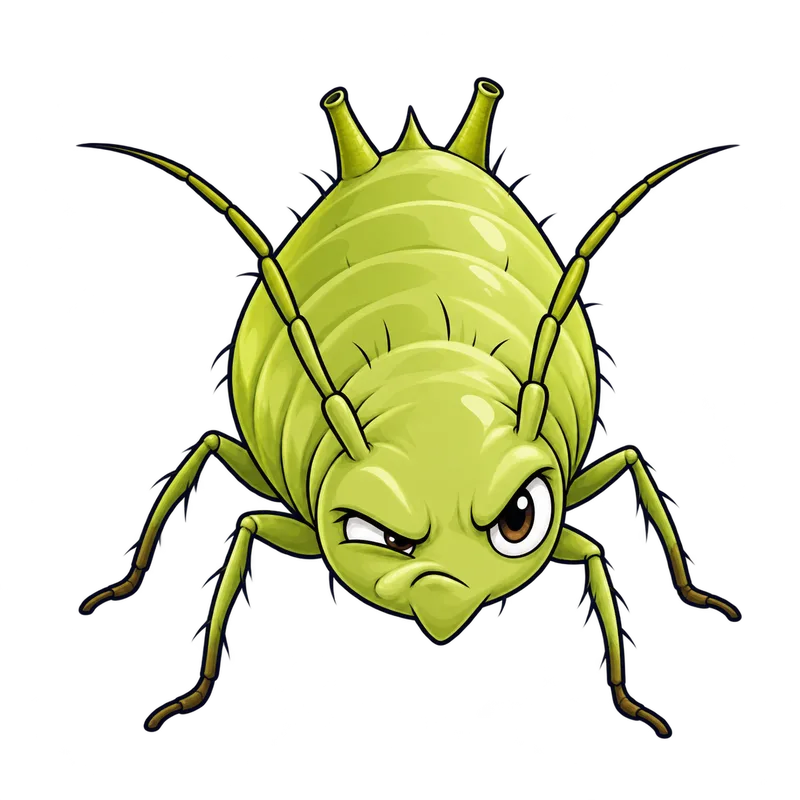
To get rid of woolly aphids on apple trees, blast visible colonies off with a forceful jet of water and follow up with insecticidal soap or horticultural oil sprayed hard enough to soak through the white wax. Because these insects also live underground and feed on roots, young trees with galled roots require prevention by choosing resistant rootstocks.
What is actually going on
Picture a June afternoon out by the apple tree. You wander over to see how the fruit is sizing up, and there, tucked into an old pruning wound, is what looks like a tuft of cotton candy. You touch it and it smears. Congratulations, you have met the woolly aphid, and the good news is you can absolutely get rid of it. The short answer: blast the visible colonies off with a forceful jet of water, follow up with insecticidal soap or horticultural oil sprayed hard enough to soak through that white fluff, protect the ladybugs and lacewings already doing free pest control on your tree, and, if the tree is young and struggling, find out whether the problem has gone underground.
That last part is the one most people miss. Woolly aphids, the kind that plague apple trees, live a double life. The fluffy white patches on bark cracks, pruning scars and interior branches are only half the colony. The other half is down in the soil, feeding on the roots. Think of it as an iceberg: the cottony tufts are the tip above the waterline, and the real damage happens below, where the feeding causes swollen, knobby galls on the roots and a tangle of stunted secondary roots that cannot move water and nutrients properly. A young tree with badly galled roots declines no matter how many times you spray the trunk, because foliar sprays never reach the root zone.
So the honest answer to how you get rid of them has two parts. Above ground, you treat what you can see, and that part is very winnable. Below ground, prevention is the only real cure, which is why anyone planting new apple trees should choose ones grafted onto resistant rootstocks from the Malling-Merton series, such as MM.106 or MM.111. Those rootstocks shrug off the root feeding entirely. If your tree is already in the ground on an unknown rootstock, you manage the top, keep the tree vigorous, and watch for decline.
How to tell for sure
Before you spray anything, make sure the fluff is actually aphids. The white stuff is a waxy coating the insects secrete over their bodies, basically a waterproof raincoat, and it is not unique to woolly aphids. On an apple, crabapple or related fruit tree, cottony masses tucked into pruning scars, bark crevices and the sheltered inner canopy are usually woolly apple aphids. Grab a cheap hand lens, something around 10x magnification, and part the fluff. Underneath you should find small soft-bodied insects, roughly a tenth of an inch long, with reddish-purple to purplish-brown bodies. That color check matters, because the wax alone tells you very little.
One confusion is worth ruling out before you do anything else. If the white cottony masses are on a hemlock rather than an apple, you are probably looking at hemlock woolly adelgid, a serious invasive forest pest and a completely different situation. It never touches fruit trees, and the woolly apple aphid never touches hemlocks, so the host tree is your first clue. Mealybugs on houseplants and ornamentals also make white cotton, but they cluster on stems and leaf joints of those plants rather than in the bark wounds of apple trees. When in doubt, the rule is simple: identify the tree first, then the insect on it.
While you are down there with the hand lens, look for the support crew. Ladybug larvae, which look like tiny black-and-orange alligators, green lacewing larvae, and small swollen bronze-colored husks among the aphids all mean natural enemies are already at work. Those husks are aphids that have been parasitized by tiny wasps, which is about the best free labor a garden gets. If the colony is crawling with predators, the smartest move is usually to leave it alone and let them finish the job. And if you suspect root trouble, gently scrape back soil at the base of a struggling tree: knobby swellings and a dense wad of fine secondary roots on the root crown are the telltale sign.
What usually comes next
So the fluff is woolly aphid and the tree is apple. Now sort the job into one of two piles: a light, reachable outbreak on a tree that is otherwise fine, or a heavy hit on a young tree or one already sliding downhill. If it is the first, start with the hose. A hard jet of water knocks the colonies loose, rinses off the sticky honeydew they drip, and costs nothing. Plenty of infestations never need more than that plus a little time for the ladybugs and lacewings to catch up.
If water does not finish it, move to insecticidal soap or horticultural oil, the usual home fruit tree options, with neem oil and pyrethrum also on many labels. This is where people burn money: they give the colony a polite little mist and then act shocked when the aphids keep living their lives. Blame the raincoat. That wax sheds fine droplets like a duck shrugging off rain, so the spray has to hit with real pressure, a stream strong enough to break the fluff and wet the insects under it. Soaps and oils kill by contact, smothering the aphid or wrecking its outer layer, and once they dry they are done. That is good news for the beneficial insects that show up tomorrow, but it means today's coverage has to be thorough.
Two oil limits are not suggestions. Never put horticultural oil on when temperatures are above 90 degrees Fahrenheit, and never use it within two weeks of a sulfur spray, because heat plus that mix can scorch leaves and russet fruit badly. Whatever product ends up in your hand, the label is the law: it names the crops, the protective gear, and how long to wait before harvest. And do not spray anything while the tree is blooming and bees are working it.
You may feel the urge to buy a bag of ladybugs at the garden center. Keep your wallet closed. Released adult ladybugs tend to treat your yard like a party with the gate open: one look around, then off to the neighbor's place, leaving you with the bill and the aphids. What helps is protecting the predators already there, which means not blasting the tree with broad spectrum insecticides and going easy on nitrogen fertilizer. Heavy nitrogen pushes soft, sappy growth that aphids adore, so dumping extra feed on a stressed tree often feeds the aphids better than the tree.
When to get help
Most backyard woolly aphid trouble is a hose and soap job. Some of it is not, and knowing which is which saves a lot of pointless spraying.
Bring in a certified arborist or your local cooperative extension office when the tree itself is going downhill: stunted growth, dieback, a thinning canopy, and signs of heavy root galling on a tree that was never on a resistant rootstock. That is not something bark spray can fix, and the realistic choices, professional treatment or replacing the tree with one on a resistant rootstock, deserve a real assessment first. Big trees that would need high canopy spray gear, and any use of restricted systemic products, belong with a licensed applicator, not a weekend warrior on a ladder.
The other hard line is the hemlock case. If the white cotton is on hemlock, do not treat it like an aphid problem at all. Hemlock woolly adelgid is a regulated invasive pest, and suspected sightings should go to your state department of agriculture or forestry agency so they can confirm and track it.
For everything else, the rhythm is simple. Start scouting trunk wounds and inner branches in early summer, knock small colonies off with water before they spread, use soap or oil with real pressure only when predators are not handling it, keep nitrogen modest, and pick resistant rootstocks the next time you plant. Do that, and the cotton candy on your apple tree turns into an occasional nuisance instead of an annual battle.