
What are orange bugs on a citrus tree?
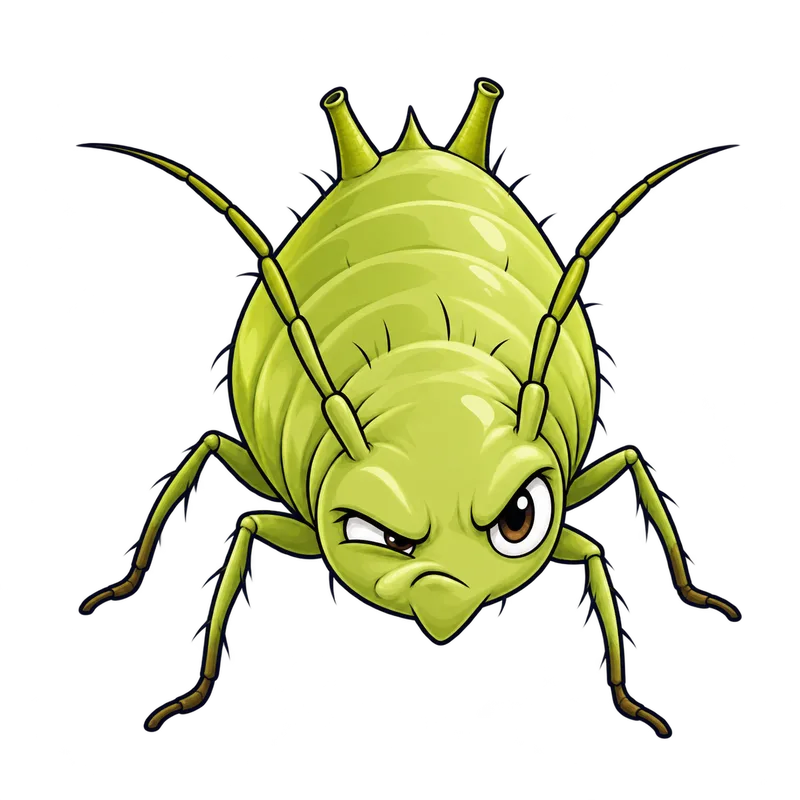
Orange bugs on a citrus tree usually mean you have soft-bodied, sap-feeding insects or arachnids at work, though they can also be beneficial predators or invasive wood-boring beetles. Because many citrus arthropods change colors as they grow, identifying them depends on looking closely at their size, movement, and the specific plant damage they leave behind.
What is actually going on
You step outside on a warm spring morning with your coffee, ready to check on the backyard Meyer lemon tree, and notice something off on the tender new leaves. You lean in closer and spot tiny orange specks clustered tightly along the soft green shoots. Naturally, your mind jumps to the worst-case scenario. Is the tree under attack, or are you looking at something harmless?
The short answer is that orange bugs on a citrus tree usually mean you have soft-bodied, sap-feeding insects or arachnids at work, though you might also be looking at a beneficial predator or an invasive wood-boring beetle. Because citrus trees host a surprisingly diverse crowd of arthropods at different stages of their life cycles, that bright orange color does not point to just one single culprit.
To make matters more confusing, many of these creatures change colors drastically as they grow. What starts as a bright orange egg or a mobile crawler can turn into a waxy brown bump or a dull flying insect within a couple of weeks. Pinpointing what is happening requires looking beyond the color and paying attention to where the bugs are sitting, how they are moving, and what kind of mess they are leaving behind on the foliage.
How to tell for sure
If you want to know what you are dealing with, a quick visual scan usually separates the troublemakers from the allies. Naked-eye inspection works well for the bigger visitors, such as the shiny, oval lady beetles that sport orange shells with black spots. These beneficial predators devour aphids and scale insects, so you usually want to keep them around. On the larger end of the scale, you might spot an invasive red-necked longhorn beetle, which measures 22 to 38 millimeters long and features a striking blue-black body with a bright orange collar right behind its head.
For the smaller residents, you usually need a 10x hand lens or a sharp smartphone macro lens to see the defining details. Asian citrus psyllid nymphs and eggs show up as tiny, bright yellow-to-orange specks measuring 0.2 to 1.0 millimeters, huddled on the softest new flush growth. Scale insect crawlers look like microscopic grains of cayenne pepper walking across the stems before they settle down to feed permanently and form waxy shells. You might also find citrus rust mites or flat mites, which are microscopic, wedge-shaped arachnids that cause the fruit rind to bronze and turn russet-colored over time.
Look closely at the plant tissues around the bugs, too. Aphids form dense colonies that pump out a clear, sticky liquid called honeydew, which eventually attracts black sooty mold and coats the leaves in a grimy dark layer. If you see tiny wedge-shaped bugs tucked away inside the navels of your winter oranges, you are likely looking at overwintering thrips taking advantage of a cozy shelter.
What usually comes next
When you finally figure out what those orange bugs are, you really only have a few choices. You can walk away because they are helpful predators, blast them with the garden hose, or reach for a targeted spray that won't ruin the neighborhood ecosystem. If you find lady beetles or their funny-looking alligator-shaped larvae, the smartest move is to leave them alone so they can eat the actual pests for you.
When the branches are crawling with sap-sucking insects like aphids or tiny psyllid nymphs, a firm spray of water from your garden hose knocks plenty of them right off the foliage. If the infestation is too stubborn for water alone, gardeners usually switch to contact sprays like horticultural oils or insecticidal soaps. These products smother the pests on contact and break down cleanly, as long as you coat the undersides of the leaves carefully and follow every word on the product label.
Thinking that a heavy-duty chemical spray will solve all your problems usually backfires on citrus trees. Slapping a broad-spectrum insecticide onto the canopy wipes out the beneficial lady beetles and predatory mites that do the heavy lifting, which often leads to a massive spider mite explosion a few weeks later.
When to get help
Some situations mean you need to put down the garden hose and call the authorities instead of handling it yourself. If you notice large holes chewed into the trunk, piles of sawdust gathering at the base, or a big wood-boring beetle wearing that bright red collar, stop what you are doing and contact your local agricultural extension office right away. These regulated pests can devastate regional agriculture and need an official response.
You also have to keep an eye out for the classic signs of citrus greening disease, a devastating bacterial infection spread by those tiny psyllid vectors. If your tree shows weirdly blotchy yellow leaves, stunted growth, and bitter fruit that drops before it ever ripens, you are looking at a serious plant disease that local agricultural inspectors need to check out.
If you have a massive backyard tree that needs high-pressure spraying or complicated root treatments, hiring a certified arborist or a licensed applicator is much safer than guessing. Should you or anyone in your household ever suffer an accidental pesticide exposure, a severe reaction, or an injury while working in the garden, do not wait around. Call your local poison control center or get straight to a qualified clinician.