
Black aphids vs green aphids: does color change the response?
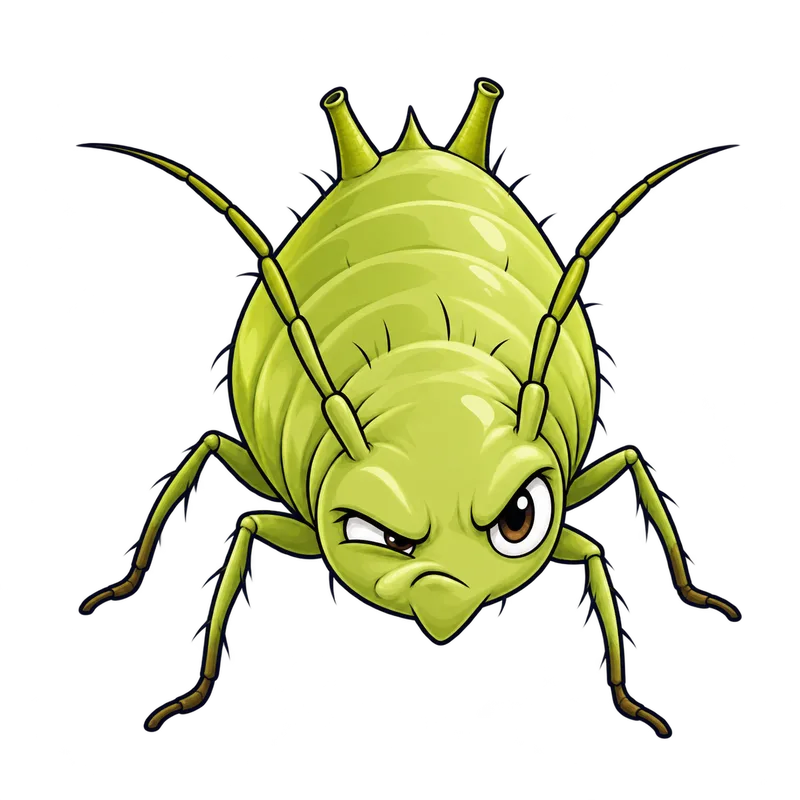
No, aphid body color does not change the management response because black and green aphids share identical soft cuticles and respond the same way to treatments. Control strategies depend on the host plant species, population density, life stage, damage thresholds, and natural enemy activity rather than body pigmentation. Both types are equally vulnerable to contact soaps and mechanical sprays.
What is actually going on
Picture walking out to check on the prize tomato plants or the young apple tree in the yard, only to find the tender new growing tips crowded with tiny, pear-shaped insects. A closer look reveals some are dark and glossy, while others nearby are bright green. A common reaction is to wonder if the dark ones are a tougher, more resilient strain that requires a harsher chemical treatment, while the green ones can be handled with mild household remedies.
The short answer is no, aphid body color does not change the technical or management response. Whether an aphid wears a coat of black, green, pink, yellow, or lavender, its underlying physiology remains practically identical. All foliar aphids share soft, delicate cuticles that offer very little protection against physical disruption. Think of an aphid's thin outer skin like a tiny, fragile balloon. Whether that balloon is painted green or black, a splash of soapy water breaks the surface tension and disrupts the cell membranes just the same.
Control strategies across ornamental, fruit, and vegetable crops depend entirely on the host plant species, the population density, life stage, damage thresholds, and natural enemy activity rather than body pigmentation. Believing that dark or black aphids are harder to kill is a common misconception. In reality, a green peach aphid and a black bean aphid are equally vulnerable to the same mechanical sprays, contact soaps, and predatory insects. The color simply indicates a different species, a different life stage, or sometimes a different host plant, but it does not grant the insect any special immunity to treatment.
How to tell for sure
Pinpointing what you are dealing with requires looking past the color and examining the context of the infestation. Grab a 10x magnifying glass and check the undersides of young leaves and tender growing tips. If you notice small, soft-bodied crawlers, you usually want to verify whether they are actually aphids rather than spider mites or thrips before applying any treatment.
Body color usually serves as an initial field diagnostic indicator when paired with host plant specificity and feeding location. For example, in apple orchards, rosy apple aphids display a distinct pink to purple body color and cause severe leaf curling and fruit stunting. Green apple aphids, by contrast, usually feed primarily on foliage and shoots without causing the same puckered fruit distortion.
Location matters just as much as appearance. If you find blue-green insects on the roots of your strawberries rather than the leaves, you are likely looking at strawberry root aphids, which overwinter as shiny black eggs and are usually moved to the root zone by ants. Similarly, if you see a reddish-purple body covered under white, cottony waxy secretions on apple branches or pruning scars, you have woolly apple aphids. Checking where the pests are feeding and what plant they call home will tell you a lot more about how to manage them than their color ever will.
What usually comes next
Once you figure out what you are looking at and verify the insects are not beneficials or random visitors, you need to decide if you actually need to do anything. A few aphids scattered over a stem rarely ruin a plant, and local beneficial insects often clear them out on their own, meaning patience is usually your best first move.
When the numbers get out of hand, start with a physical wash. A firm spray of lukewarm water or a gentle splash of insecticidal soap takes care of a minor outbreak on a houseplant or a garden bed. If you reach for soaps or horticultural oils, you have to hit every square inch of the foliage, because these treatments rely on physical contact to smother the insects and will miss anything you glaze over.
If you decide to use a botanical option like azadirachtin, which comes from neem seeds and messes with molting hormones, keep in mind that it takes time. It stops nymphs from growing up instead of dropping them instantly. Always time your sprays to miss the pollinators by working at dawn or dusk when the bees are resting, and let the foliage dry completely before the sun gets high. Try to dial back the high nitrogen fertilizers too, since forcing out soft, juicy new growth is practically rolling out a welcome mat for more pests.
When to get help
There are times when regular garden tricks just do not cut it and you have to hand the problem over to someone who knows the ropes. Never spray any insecticide, even the organic stuff like soap or pyrethrins, right when the flowers are wide open, because wet residues will ruin pollination and hurt the visiting bees.
If your magnifying glass shows swollen, bronze-shaped shells stuck to the stems, put the spray bottle down. Those papery mummies mean parasitic wasps have already moved in and are clearing out the colony for you, so spraying right then would just wipe out your best natural allies.
Root-feeding populations, like root aphids tucked under strawberry plants or hidden woolly colonies underground, laugh off standard leaf sprays and usually call for professional grower advice, specific root selections, or ant management. If the plant damage looks weirdly severe with heavy viral stunting, twisted leaves, or regulated crop diseases, bag up a sample and drop it by your local university extension office or state agricultural department for a real diagnosis. For any accidental swallowing, splashes in the eye, or bad skin contact with a pest control product, call a doctor or your local poison control center right away.