
What are little green bugs with wings?
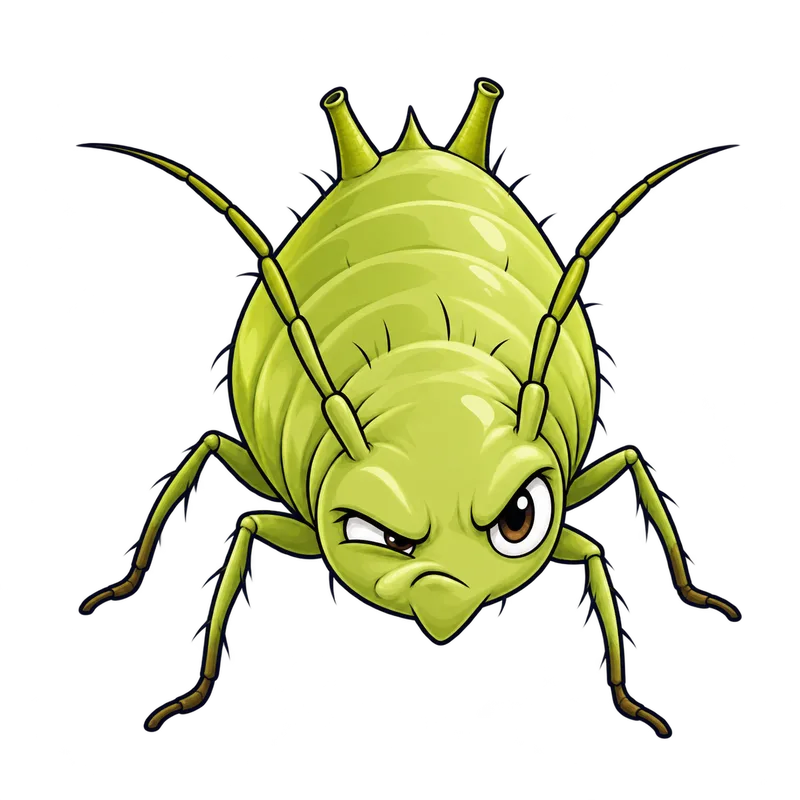
Little green bugs with wings are usually winged aphids, but they can also be cereal leaf beetles, kudzu bugs, or green bottle flies. What you are actually seeing depends entirely on where you found the bug and what it looks like up close.
What is actually going on
You are out inspecting the tender new shoots on your tomato plants or checking the geraniums by the kitchen window, and you spot a tiny greenish flash take flight. It lands nearby, a minuscule speck with gossamer wings. Naturally, your first thought is wondering what on earth just landed on your greenery, and whether it is about to turn your prize plants into a snack bar.
When people ask about little green bugs with wings, they usually mean one of a few common insects. The most frequent culprit is a winged aphid, but you might also be looking at a small beetle, a true bug, or even a fly that just looks green and shiny in the right light. Because little green bugs cover a lot of ground in the insect world, what you are actually seeing depends entirely on where you found it and what it looks like up close.
Most of the time, garden pests stay wingless for much of the warm season, quietly munching away in large family groups. But when the plant gets too crowded or starts to decline, these insects undergo a change and grow a pair of clear wings so they can fly off and start a new colony elsewhere.
Before you grab a spray bottle or a vacuum, you need to know what you are dealing with. A plant munching garden pest requires an entirely different approach than a stray beetle that wandered in from the lawn or a fly that implies something worse is hiding in your walls.
How to tell for sure
To figure out what you have, you usually need to get up close with a hand lens or a magnifying glass. If the bug is tiny and soft-bodied, measuring roughly the size of a pinhead, and you spot two tiny, backward-pointing tubes sticking out of its rear end like a pair of sports car exhaust pipes, you are looking at a winged aphid. Those little tubes are called cornicles, and they are the dead giveaway that separates aphids from every other bug in the yard.
If the insect is larger, closer to a quarter of an inch long, and features a bright red head and thorax paired with metallic blue-green wing covers, it is usually a cereal leaf beetle. These bugs occasionally wander into gardens from nearby fields and grasses. On the other hand, if you find a bug that looks nearly square, measures about a quarter of an inch, and ranges from olive green to brown, you might be dealing with a kudzu bug resting on your siding.
Sometimes, the green bug with wings is not a plant pest at all. If you find a half-inch-long fly with a brilliant, shiny metallic green body buzzing loudly against your windowpane, you are looking at a green bottle fly. These insects do not care about your houseplants. Instead, they usually indicate that a small animal has unfortunately passed away in an attic, chimney, or wall void.
What usually comes next
Your very first practical decision is to match the bug to its proper category before you take any action. If you confirm you have winged aphids clustering on your plant stems, you can physically remove them by gently wiping the leaves or blasting them off with a sharp stream of water from the hose.
If you find that shiny metallic green fly indoors, your next step is not buying garden sprays, but rather checking your home for an unseen animal carcass or cleaning out your garbage bins. Treating a structural fly problem with plant insecticide will accomplish nothing because you would be treating the symptom instead of the source.
When you do decide to use a commercial pesticide product, remember that the product label is legally binding. Reading and following the safety directions, application rates, and target sites on the container is not just good advice, it is the law. Doubling the dose does not make the product work faster or better, and it only introduces unnecessary risks to your home environment.
When to get help
There are moments when a do-it-yourself approach stops being sensible and you need to bring in outside help. If you notice large swarms of destructive insects threatening an agricultural crop or severe infestations causing widespread plant collapse, consult a local agricultural extension office or a licensed pest control professional for guidance tailored to your region.
If you suspect that flies inside your home are emerging from a structural void where protected wildlife, such as bats or nesting birds, might also be present, do not attempt to seal the area or handle it yourself. Contact a licensed wildlife control operator or your state wildlife agency first, as disturbing protected animals can violate state and federal regulations.
Should you experience any accidental chemical exposure from handling pest control products, immediately follow the first aid instructions on the product label. If you get chemicals on your skin or in your eyes, rinse thoroughly with clean water for fifteen to twenty minutes, and call your local poison control center or a medical clinician right away. Never try to diagnose a medical issue or skin reaction at home based on an insect sighting.