
Can aphids fly?
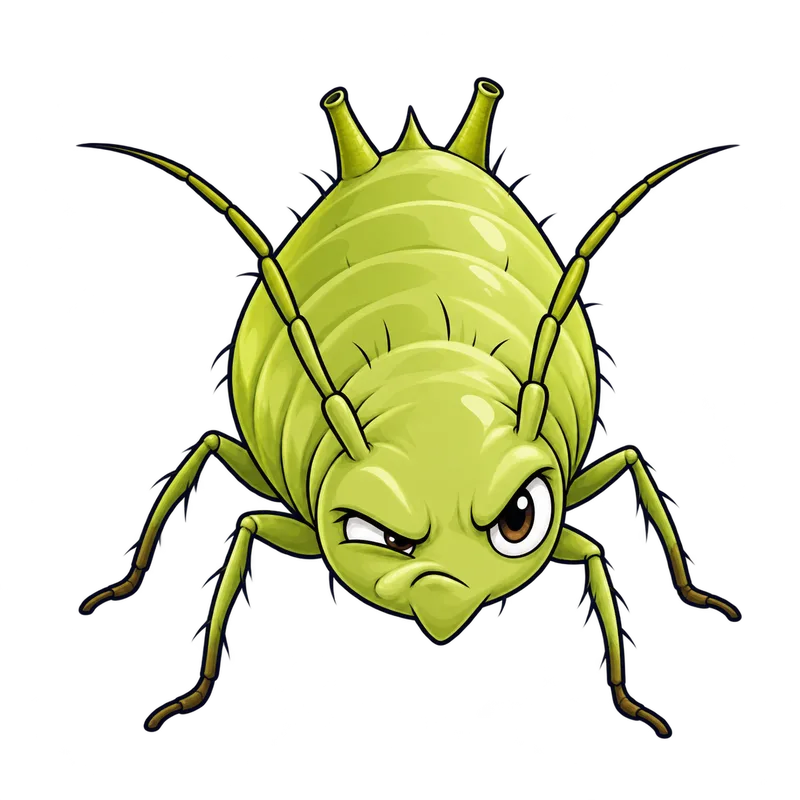
Yes, adult aphids can fly, but only specific individuals within a colony grow wings. Most of the time, the pear-shaped insects creeping along your plant stems are completely wingless. When a plant gets too crowded or starts to dry out from summer heat, mother aphids start producing specialized winged morphs that drift on the wind to find greener pastures.
What is actually going on
You walk out to check your prize tomato plants with your coffee in hand, and suddenly you notice that a tender shoot near the top is crawling with tiny, pear-shaped bugs. Yesterday, the stem looked completely clean, and now there is a bustling metropolis of soft-bodied insects surrounded by sticky leaves. You might scratch your head and wonder how they got there so fast if they do not even look like they have wings.
The short answer is yes, adult aphids can fly, but only specific individuals within a colony grow wings. Most of the time, the insects you spot creeping along your plant stems are completely wingless. These wingless females spend their days doing one thing, which is reproducing at an astonishing rate by giving birth directly to live, identical clones of themselves without ever bothering to lay eggs.
So how do they manage to colonize a fresh plant across the yard if they lack wings? When a plant gets too crowded or starts to dry out from the summer heat, the colony undergoes a shift triggered by overcrowding and poor nutrition. Instead of making more wingless daughters, the mother aphids start producing specialized winged morphs, often called alates. These winged pioneers lift off and drift on the wind to find greener pastures, which explains how a pristine garden bed can turn into an aphid hotspot overnight.
How to tell for sure
Spotting these creatures usually starts with the obvious signs on the plant rather than the insects themselves. You will usually notice puckered, curled, or yellowing leaves, accompanied by a shiny, sticky coating across the foliage known as honeydew. That sweet liquid often draws ants, which farm the insects for food. If you look closely at the tender shoot tips or the undersides of leaves, you will typically see clusters of small, soft-bodied insects in shades of green, black, pink, or yellow.
To confirm what you are looking at, you will usually need a hand lens or a jeweler's loupe. Under magnification, check for a pear-shaped body, slender antennae, and a pair of tiny upward-projecting tubes near the rear of the abdomen called cornicles. Those twin rear tubes separate aphids from other sap-sucking garden visitors like psyllids or whiteflies.
Keep in mind that you do not need to identify the exact species to know you have a problem, and you should never try to diagnose a pest from skin bites or vague rashes, as aphids do not bite humans. If you find swollen, bronze, or papery husks attached to the leaves instead of active insects, you are usually looking at aphid mummies, which are the empty shells left behind by helpful parasitic wasps.
What usually comes next
Once you confirm you have an infestation on your hands, your first real choice is deciding whether you need to step in or just let nature handle it. If you spot plenty of natural predators like lady beetles, lacewing larvae, or those bronze mummies left behind by wasps, you generally want to hold off on sprays and let the beneficial insects finish the job.
If the population is exploding and the plant is clearly suffering, you can start with cultural and low-impact controls. Check your fertilizer routine, because heavy nitrogen applications trigger a surge of succulent plant growth that acts like an open invitation for winged scouts. You can also knock small populations right off the stems using a strong, forceful jet of water from your garden hose.
When you decide a product is actually necessary, always read and follow the product label before application. Soft-bodied biorational options like insecticidal soaps or neem oil provide contact control and often carry a short waiting period on edible crops, meaning you can harvest your food soon after treating. Never invent custom chemical mixtures, and make sure you respect the waiting periods listed on conventional chemical options if you choose to use them.
When to get help
There are times when a backyard infestation goes past routine gardening care and requires outside expertise. If your plants display severe viral symptoms like leaf mosaic patterns, yellowing veins, and stunted growth, spraying the aphids will not cure the disease, because the damage is already done. In that scenario, you need to pull up and destroy the diseased plants to protect the rest of your garden.
Heavy ant trails guarding your plants also change the situation. When ants actively protect colonies from natural predators, your biological controls will fail, and you may need a professional assessment or specialized barrier treatments to break the ant symbiosis.
For large-scale agricultural fields, commercial properties, or public green spaces, local regulations generally require a licensed pesticide applicator to handle chemical treatments. Furthermore, if you or someone in your household experiences accidental pesticide exposure, skin contact with harsh active ingredients, or any other emergency related to chemical use, immediately contact a medical professional, urgent care service, or your local poison control center.