
What are root aphids?
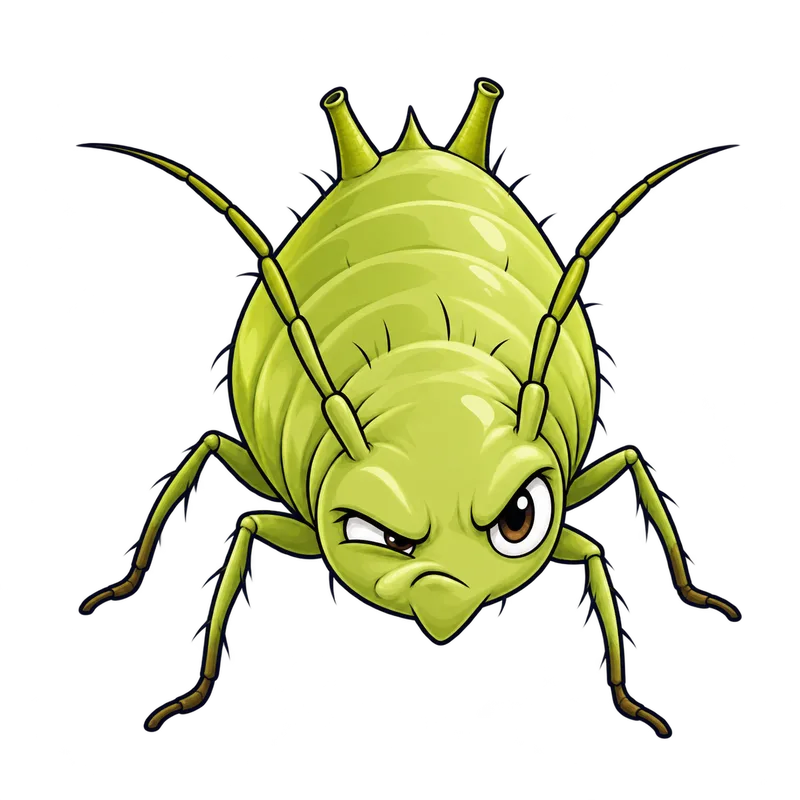
Root aphids are tiny, soft-bodied, sap-sucking insects that spend most or all of their lives underground, feeding directly on plant root systems. These pests typically measure only about one to two and a half millimeters long and often appear oval with six legs, paired little tubes on their abdomens, and a blue-green or reddish-purple color.
What is actually going on
You walk out to the garden on a warm Tuesday afternoon and notice a patch of strawberries looking slightly tired. The leaves are a bit pale, and some ripening fruit is drying up before it ever gets sweet. Naturally, you reach for the garden hose, assuming the plants just missed a drink during the morning heat. But a week later, the extra water has changed nothing, and the foliage looks even worse. If you dig up a struggling plant, you might find the real culprit hiding completely out of view: root aphids.
So, what are root aphids? They are tiny, soft-bodied, sap-sucking insects that spend most or all of their lives underground, feeding directly on the root systems of plants. Unlike their foliar cousins that lounge on stem tips and leaf undersides where you can easily spot them, root aphids use needle-like mouthparts to puncture root vascular bundles. They drain the nutrient-rich sap that the plant relies on to grow, causing widespread stunting, wilted foliage, and premature crop decline.
If that sounds like a miserable setup for the plant, it gets worse because of how these insects travel. In many outdoor gardens and agricultural setups, root aphids have a close working partnership with ants. You can think of the ants as underground livestock farmers. In early spring, ants actively transport newly hatched aphid nymphs down from the stems and foliage to settle right on the host roots. In return for this cozy underground real estate and protection, the ants harvest a sugary waste fluid called honeydew that the aphids excrete.
Because this entire drama plays out six inches below the soil line, gardeners usually mistake the damage for something else entirely. It looks just like nitrogen deficiency, iron chlorosis, or simple drought stress. People often dump more fertilizer or water onto the bed, which unfortunately only creates a more humid, welcoming environment for the pests and accelerates root rot.
How to tell for sure
Finding root aphids usually takes a bit of digging, literally. When you pull up a stunted plant, you will want to look closely at the root crown and surrounding soil with a hand lens since these pests typically measure only about one to two and a half millimeters long. Depending on the species, they often appear oval and soft-bodied with six legs, paired little tubes on their abdomens called cornicles, and a distinct blue-green or reddish-purple color.
You usually have to look past other common soil dwellers to make sure you have the right pest. For instance, fungus gnat larvae are clear or whitish worm-like creatures with shiny black heads found in damp topsoil, while white grubs are large, plump, C-shaped beetle larvae that physically chew and sever roots instead of sucking sap. Root aphids, by contrast, stay clustered on the roots and leave behind subtle clues.
One of the most reliable bio-indicators is heavy ant traffic. If you see a bustling highway of ants marching in and out of the soil around the base of a wilting plant, pause before you blame the weather. On woody perennials like apple trees, you might also spot woolly apple aphids, which cover themselves in a thick, white, cottony, waxy mass that looks almost like mold clinging to the bark, pruning scars, and underground roots.
What usually comes next
When you confirm that root aphids are running an underground dairy farm on your plants, you have to decide how to handle planting stock and soil preparation moving forward, because surface-level contact sprays simply cannot reach them. Spraying soapy water on the leaves will not touch insects feeding inches down in the dirt, and those waxy coats on species like woolly apple aphids act like a waterproof raincoat anyway.
Your most practical decision centers on prevention and cultural disruption rather than chasing an impossible underground rescue mission with a garden hose. For seasonal beds like strawberries, that means performing thorough ground cultivation in early spring before planting to break up ant galleries and scatter the overwintering transport network. If you are planting perennial fruit trees like apples, your best bet is choosing resistant varieties, such as rootstocks designed specifically to stop root galls before they start. Always inspect new nursery stock carefully at the root crown before it ever touches your soil, because introducing uncertified plants is usually how the cycle begins.
When to get help
There are moments when a backyard problem crosses the line into something that requires outside reinforcement. If you are managing a large commercial orchard, a sprawling nursery operation, or watching wide-scale landscape and forest decline unfold, you should bring in a university plant diagnostic laboratory or a licensed professional to verify the issue.
When chemical applications enter the picture, you must strictly follow the product label directions, pre-harvest intervals, and safety precautions. If a pesticide is designated for restricted use, do not attempt to apply it yourself, as it must be handled exclusively by a licensed applicator. If you suspect an unlisted exotic pest or a heavily regulated invasive species that threatens local agriculture, contact your local agricultural extension agent or state biosecurity authority for official identification and guidance.