
How do aphids affect rose buds?
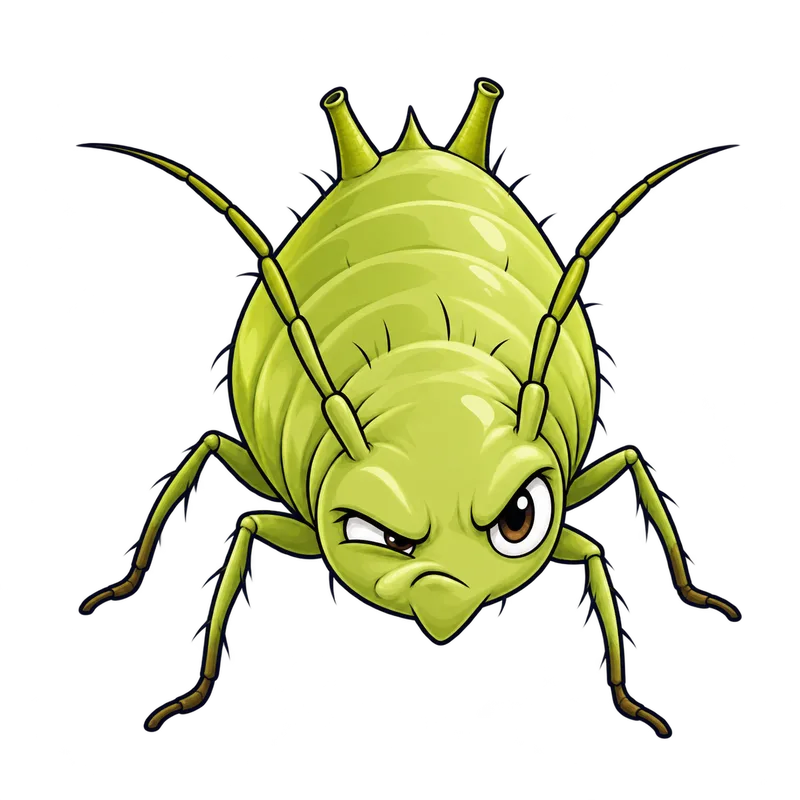
Aphids affect rose buds by using needle-like mouthparts to siphon vital sap, which drains the water and sugars needed to keep the stem upright. This feeding makes the developing flower stunted or completely locked shut. As a messy side effect, the soft-bodied pests leave behind sticky honeydew that grows black sooty mold.
What is actually going on
You walk out to check your favorite hybrid tea rose in the early morning sunshine, anticipating that gorgeous crimson bloom you have been waiting for all week. Instead, you find the tender green stem just beneath the bud completely crowded with a sticky, squirming mass of tiny, pear-shaped insects. You are looking at aphids, and they are essentially turning your prize rose into their personal juice bar.
Aphids affect rose buds by using specialized, needle-like mouthparts to pierce the soft plant tissue and tap directly into the phloem sap. This is the nutrient-rich fluid the rose is trying to pump upward to inflate and open that developing flower. By siphoning away those vital sugars and water, these tiny pests drain the turgor pressure holding the stem upright, causing the bud to become stunted, misshelven, or completely locked shut while the surrounding leaves pucker and curl.
Beyond that direct plumbing problem, there is a messy byproduct involved. As aphids feed, they excrete a clear, sugary liquid called honeydew that coats the stems, sepals, and delicate outer petals of the rose. Within a day or two, airborne spores of black sooty mold land in that sticky syrup and germinate. While this fungus does not infect the plant cells directly, it wraps your developing rose bud in a dark, unsightly crust that blocks sunlight and ruins the floral display.
You might wonder why these little bugs target the bud in the first place instead of the tougher, woody canes lower down. Developing flower clusters and fresh spring shoots offer tender, unthickened cell walls and the highest concentration of mobile amino acids, meaning the aphids do not have to work nearly as hard to get a meal. The irony is that your rose is pumping all that extra energy into making a flower, and the aphids are simply intercepting the shipment.
How to tell for sure
Spotting aphids on roses is usually straightforward once you know what to look for, though a few other culprits cause similar headaches. You will usually find them clustered densely on the tender stems right below the bud, on the underside of nearby leaves, and tucked inside the green sepals enclosing the flower. They are soft-bodied, measure about one-tenth of an inch long, and can be green, pink, yellow, gray, or nearly black depending on the species and the time of year.
A key diagnostic sign of an active aphid colony is the presence of sticky honeydew on the plant, often accompanied by a procession of ants. Ants are essentially ranching the aphids, harvesting their sugary waste while actively driving away natural predators like ladybugs. You can also look closely for tiny, swollen, bronze-colored husks attached to the stem, which are parasitized aphids known as mummies. That is a reliable indicator that beneficial insects are already working your garden.
It helps to distinguish aphids from other common rose damage before you react. Rose slugs, which are actually sawfly larvae, chew windowpane patterns or ragged holes in the foliage rather than sucking sap. Thrips feed inside opening buds, leaving brown, rasping streaks on the petals without leaving sticky honeydew. Japanese beetles and rose chafers chew massive, obvious chunks right out of the petals and leaves. If your rose buds are stunted and sticky without any chewed holes in sight, you are dealing with aphids.
What usually comes next
Your immediate practical choice comes down to waiting it out or taking action. If you spot a small, modest cluster of aphids on a couple of rose buds, your best move is typically to leave them alone. Established rose bushes tolerate light feeding quite well without dropping their blooms, and those small colonies act as a food source that draws beneficial bugs like lacewings, syrphid fly larvae, and lady beetles into your garden. Reaching for a spray bottle too quickly often kills off your local predators and sets you up for a much worse infestation down the road.
When the insects begin to overwhelm the buds or the sticky honeydew becomes too heavy to ignore, you can skip chemical treatments entirely and use a physical approach instead. Grab your garden hose and aim a strong stream of lukewarm water directly at the infested tips. Soft-bodied aphids wash off easily, and once they hit the soil, they lack the strength to climb back up the thorny stems. For potted patio roses or smaller flare-ups, you can also just wipe the stems down with a soft cloth or a cotton swab dampened with water and a tiny bit of mild dish soap.
If a blast of water is not enough and you decide to use an organic contact spray like insecticidal soap or neem oil, timing is everything. These products do not leave a lasting residue, meaning they have to physically touch the body of every single pest to be effective. Never apply oils or soaps when the temperature climbs above ninety degrees Fahrenheit, or you will end up cooking your own rose foliage in the hot sun. Always spray in the early morning or evening, and steer clear of open rose blossoms while honeybees and other pollinators are busy foraging.
When to get help
Most backyard gardeners manage aphids on their own using water jets, careful monitoring, and occasional mild sprays. Still, there are moments when you should hand the job over to someone else. If you look after a large collection of valuable old roses, a formal garden display, or a commercial landscape where home remedies cannot keep up with a heavy, runaway infestation, you should talk to a licensed custom pesticide applicator or a certified professional arborist.
Safety and legal limits also matter once you move past basic garden maintenance. The product label on any pesticide is a legally binding document, meaning every mixing rate, required piece of protective gear, and safety restriction must be followed strictly. If an accidental chemical splash, eye contact, or swallowing happens while you are treating your plants, do not try to guess what to do. Reach out immediately to a doctor, an urgent care clinic, or your regional poison control center for professional medical advice.