
What should you check before spraying a flowering plant?
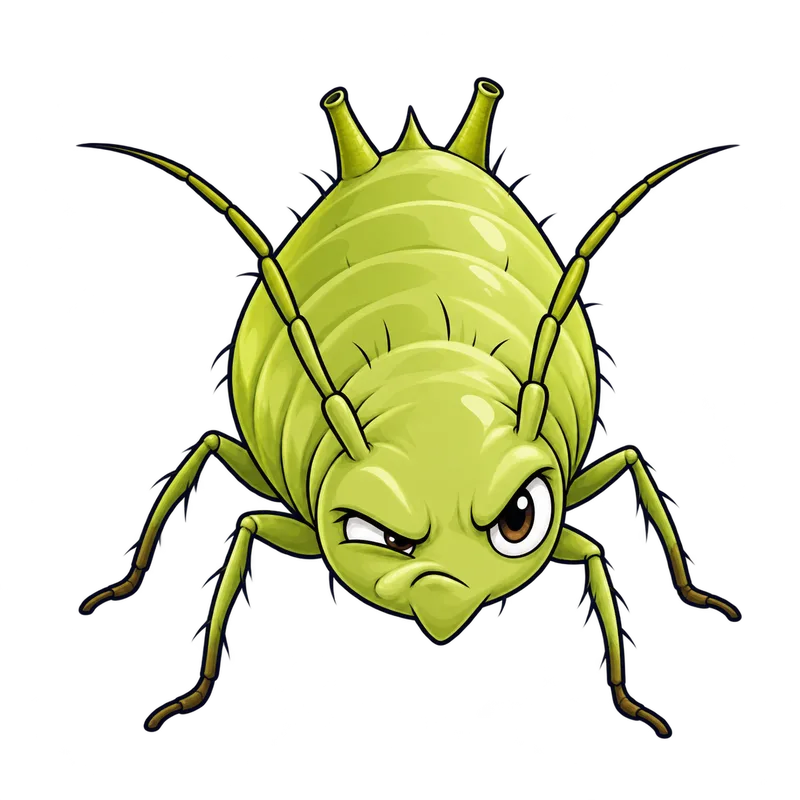
Before spraying a flowering plant, you must check the product label to verify your exact plant species is listed, inspect the blooms for visiting pollinators, and evaluate the weather. You also need to confirm the identity of the pests, check your plant variety for chemical sensitivities, and look for beneficial insects already patrolling the leaves.
What is actually going on
You walk out to your favorite rose bush on a Saturday morning, coffee in hand, only to find the new buds coated in shiny, sticky aphids. The immediate reflex is to march back to the garage, grab the garden sprayer, and drench the whole plant before breakfast. But before you pull that trigger, you have to check several things that have nothing to do with how angry you are at the bugs. Spraying a flowering plant without a quick audit is a fast way to kill your neighborhood bees, ruin your foliage, or break the law.
The very first item on your mental checklist is the product label, and it is not a suggestion you can skim over. Under federal law, the label is the law. You have to verify that your exact plant species, whether it is an ornamental rose or a backyard strawberry patch, is explicitly listed on the container. Using a pest control product on an unlabelled site can cause severe chemical injury to the plant or leave illegal residues behind.
Next, you need to look closer at the blooms themselves. Open flowers are essentially a bustling diner for honey bees, bumblebees, and native pollinators collecting nectar and pollen. Spraying an insecticide over open blossoms can poison visiting insects directly, contaminate the pollen they carry back to their hives, or disrupt the pollination your garden relies on. Standard extension guidance mandates a strict bloom blackout. If your plants or even the surrounding groundcover weeds are in full blossom, insecticidal sprays stay in the shed.
Finally, you need to evaluate the weather and the time of day. Spraying on a windy afternoon leads to off-target drift that can contaminate nearby vegetable beds or harm sensitive neighboring plants. Furthermore, applying horticultural oils or soaps when temperatures climb past eighty-five or ninety degrees causes severe foliar scorch, turning your green leaves brown and crispy within hours.
Control measures should usually never precede an accurate identification of what is actually damaging the plant. You can grab a ten-power hand lens or a pocket magnifier to inspect the leaf undersides, stems, and plant crowns. Confirm whether you are looking at live, active pests like aphids or spider mites, or if you are just seeing environmental stress or cosmetic damage that no spray can fix.
How to tell for sure
At the same time, scan the canopy for naturally occurring beneficial insects. If you spot predatory mites, lacewing larvae, syrphid fly larvae, or ladybeetles already patrolling the leaves, hitting the plant with a broad-spectrum insecticide is usually a mistake. Those beneficial predators are usually keeping the pest population in check for free. Wiping them out often triggers a secondary pest resurgence, such as an explosive spider mite outbreak a week later.
You also want to check the specific vulnerability of your plant variety. Certain ornamental species are notorious for reacting badly to common active ingredients. Carbaryl, for example, causes severe leaf drop and foliage burn on Boston ivy and Virginia creeper. Malathion can injure ferns, hibiscus, and select rose cultivars, while heavy horticultural oils will damage Japanese maples and blue spruce by stripping away their protective waxy bloom. Always check for plant sensitivity before treating an entire specimen.
What usually comes next
Once you have squared away the label, figured out what is actually eating the leaves, and made sure the bees are safe, you still have to time things properly. It is usually best to spray late in the evening after the sun goes down, or early in the morning before any pollinators start waking up. Spraying at night gives contact treatments like insecticidal soaps or spinosad a chance to dry completely by morning, which keeps toxic exposure for visiting insects to an absolute minimum.
If you are dealing with backyard edibles like strawberries, tomatoes, or apples, you also have to check the pre harvest interval. That is just the mandatory waiting period the manufacturer sets between your last spray and the moment you pick the fruit for dinner. Ignoring that timeline is a bad idea, and waiting out the exact number of days on the container keeps your family safe from harmful residues. If the label says you need to wait seven days and your kids want to pick those berries this weekend, you simply have to leave the sprayer in the garage.
When a prized plant is smothered in open blossoms and you cannot wait for the petals to drop, your safest bet is skipping the chemicals entirely. You can knock aphids off with a sharp blast from the garden hose, or just pick larger caterpillars and beetles off by hand.
When to get help
Mixing concentrated pest control products puts you right in the path of serious exposure hazards, and those signal words printed on the front of the bottle indicate just how dangerous the contents are. If you or someone else in the house starts feeling dizzy, gets nauseous, or has trouble breathing during or after an application, get emergency medical help or call poison control right away.
Curious pets can also run into trouble with fresh garden residues on paws or fur. If you think your dog or cat got into a wet spray, do not wait it out, but call a licensed veterinarian or an animal poison control center for guidance.
Some situations simply call for handing the reins over to a licensed professional or an official agency. If you cannot figure out the culprit even with a magnifying glass, or if your favorite landscape plants keep dying despite your best efforts, your local university extension office or a certified arborist can help sort it out. Spraying massive shade trees also demands commercial gear, heavy duty safety clothing, and proper licensing that most homeowners do not have in the shed. Finally, if you happen to spot a destructive invasive pest like the spotted lanternfly, pick up the phone and report it to your state department of agriculture instead of trying to fight it alone.