
How do you get rid of aphids on plants?
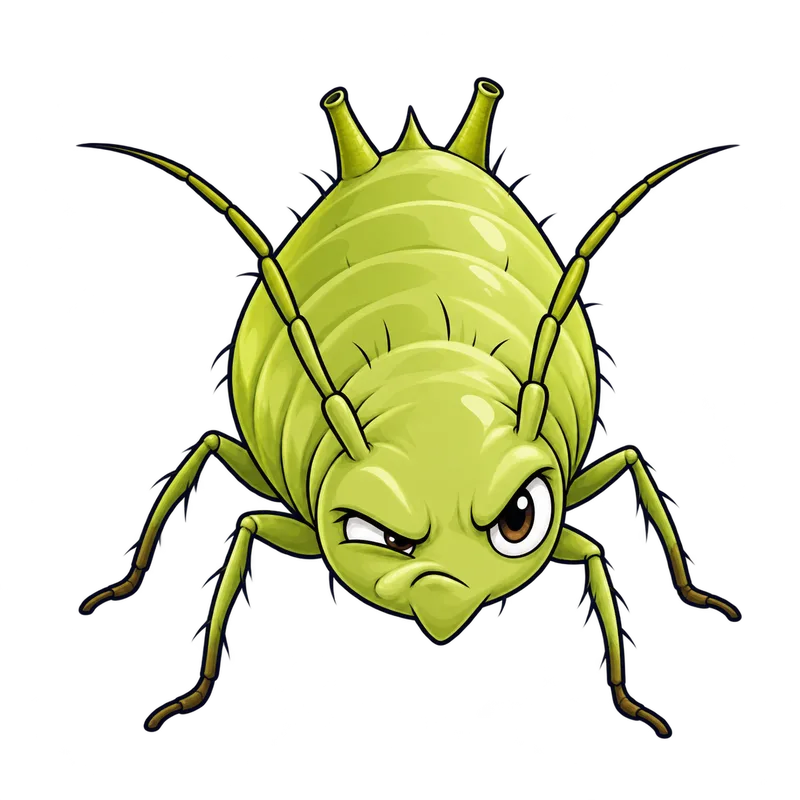
Getting rid of aphids on plants requires an integrated approach starting with manual dislodgement or leaf washing with water. For heavier infestations, apply an insecticidal soap or horticultural oil directly to the pest clusters on leaf undersides while avoiding high temperatures.
What is actually going on
You walk out to the back patio with your morning coffee, lean down to check your prize tomato or the fern in the corner, and notice the tender new shoot tips look suspiciously crumpled. When you turn a leaf over, you find a dense, creeping crowd of tiny pear-shaped bugs treating your plant like an open buffet. That is an aphid outbreak, and it usually catches you off guard because these insects multiply faster than almost anything else in the garden. They do not chew holes in your leaves. Instead, they pierce the plant tissue with slender mouthparts and tap directly into the vascular system, drinking the sweet sap that keeps the plant upright and growing.
Getting rid of aphids requires an integrated approach starting with manual dislodgement or leaf washing, followed by the targeted application of contact smothering agents directly to pest clusters on leaf undersides, while conserving active natural predators like parasitic wasps and ladybeetles. The key detail in that entire sequence is contact. Aphids lack a hard, protective outer shell, which makes them vulnerable, but it also means any treatment must physically touch their bodies to work. Once the spray dries on the leaf, it loses all pest-killing power.
You might wonder why these pests seem to appear out of thin air, especially on indoor houseplants that never go outside. Female aphids can reproduce without mating during warm weather, and some even give birth to live young that are already pregnant themselves. It is a biological assembly line. As they feed, they excrete a sticky, sugar-rich liquid called honeydew. This mess coats your leaves, invites black sooty mold to block out sunlight, and draws lines of ants that farm the aphids for their sweet secretions.
Aphids are small, usually ranging from one to three millimeters in length, and their colors vary wildly depending on the species and the plant they are eating. You might see green, yellow, pink, black, or mottled gray clusters huddled tightly together on the undersides of leaves and around stem joints. They are soft-bodied and pear-shaped, and most of them are wingless when the colony is comfortable. When the population gets too crowded or the food source starts to decline, adults usually grow wings and fly off to colonize neighboring plants.
How to tell for sure
The damage they leave behind is usually your first clue. Tender new leaves curl, pucker, or cup inward, and shoots become stunted. If you look closely with a ten-power hand lens, you will see crowds of slow-moving insects jammed shoulder to shoulder. You should also check for a few specific signs that tell you who is managing the population for you. If you spot swollen, tan, or bronze-colored papery husks with tiny circular holes in them, those are aphid mummies. That means parasitic wasps have laid eggs inside the aphids, and nature is handling the cleanup.
One common trap is confusing aphids with whiteflies or spider mites. Spider mites leave fine, dusty webbing across the leaf surfaces and cause a speckled, stippled yellow look rather than curling the leaves. Whiteflies flutter off in a small white cloud when you brush the foliage, whereas aphids usually stay put and cluster tightly. If you find waxy white fluff clinging to the branches of an apple tree instead of soft green bodies, you are usually looking at woolly aphids, which behave differently and hide away in bark crevices.
What usually comes next
Your single most practical decision right now is choosing whether to wash the plant down with water or reach for a biorational spray. If the infestation is light and confined to a couple of stems on a robust houseplant or garden vegetable, you do not need to buy anything. Take the plant to the kitchen sink or use a garden hose to give the foliage a forceful blast of tepid water. This physically knocks the aphids off the plant and breaks their delicate mouthparts, which usually solves the problem without a single drop of chemical intervention.
When the population is too heavy for a simple rinse and the leaves are dripping with sticky honeydew, you need to step up to a contact spray. Look for an EPA-registered insecticidal soap made from potassium salts of fatty acids or a refined horticultural neem oil. Do not make the mistake of grabbing the bottle of dish soap from your kitchen sink. Household detergents are engineered to strip grease from cookware, and they will strip the protective wax right off your plant leaves, causing severe foliar burn.
Timing is everything when you apply these sprays. Spray early in the morning or late in the evening when the sun is low and temperatures are cool. Never apply soaps or oils when ambient temperatures climb above ninety degrees Fahrenheit, or when the plant is suffering from drought stress, because the combination will scorch the foliage faster than the aphids can ruin it. Always check the plant label for a zero-day pre-harvest interval if you are treating edible crops like strawberries or tomatoes so you know you can safely eat the produce right away.
When to get help
Most home gardeners and houseplant owners can manage aphids with patience and the right household techniques, but certain situations call for outside help. If you manage a commercial orchard, a large greenhouse, or an agricultural operation where aphid populations are vectoring destructive plant viruses across vast acreage, you need a licensed commercial applicator. These professionals have access to restricted-use systemic treatments that amateurs cannot legally purchase or apply.
Statutory oversight also comes into play when dealing with regulated biosecurity threats. If you suspect an exotic, high-risk pest or an unusual viral outbreak in regions with strict agricultural monitoring, you must report the sighting to your local ministry or department of primary industries rather than trying to treat it yourself.
On the human health side, while aphids do not bite humans or transmit animal diseases, the products used to control heavy infestations can pose risks. If you experience accidental pesticide exposure, skin irritation, or ingestion while handling concentrated horticultural oils or botanical insecticides, contact your regional poison control center or seek medical attention immediately. Always wear the protective gear recommended on the product label, and never take chances with concentrated chemicals.