
How do you get rid of aphids on roses?
Get rid of aphids on roses by blasting the pests away with a strong stream of water from your garden hose. If that gentle tactic falls short, you can use targeted biorational sprays to clear out excess populations. Always start with physical removal before moving to stronger treatments.
What is actually going on
You walk out to check your favorite rose bush on a warm Tuesday morning, expecting pristine blossoms, only to find the tender new shoot tips practically carpeted in tiny, pear-shaped insects. They are clustering so thickly around the unopening buds that the stems look fuzzy, and when you brush your finger against them, your hand comes away sticky. That sticky glaze is honeydew, a sugary waste product left behind by hungry aphids as they tap into the plant phloem sap.
Getting rid of aphids on roses does not require reaching straight for a heavy chemical spray, and in most cases, it is much better if you do not. Aphids reproduce at a dizzying speed, but they also occupy a very specific place in the garden food web. Small colonies on mature plants rarely cause permanent harm, and the plant can tolerate light feeding without missing a beat. The key is knowing when a colony has crossed the line from a minor annoyance into a full-scale invasion that actually threatens the health of the buds.
If you decide intervention is necessary, the approach should always move from the gentlest tactic to the strongest, rather than the other way around. Blasting the pests away with a jet of water or letting natural predators do the heavy lifting will usually solve the problem without upsetting the balance of your garden. When those methods fall short, targeted biorational sprays can step in to clear out the excess population while leaving the rest of the ecosystem intact.
Aphids are small, soft-bodied insects that use needle-like mouthparts to pierce tender plant tissue and feed on sugary phloem sap. As they ingest this fluid, they excrete excess sugars as sticky honeydew, which coats the leaves and stems and frequently attracts black sooty mold fungus. Because female aphids can give birth to live young without mating during favorable weather, populations can explode rapidly on the lush, fast-growing shoots of spring roses. When high-nitrogen fertilizers are applied to the soil, the plant responds with a surge of soft, succulent growth that acts like a dessert buffet for these feeding pests, driving their reproduction even higher.
How to tell for sure
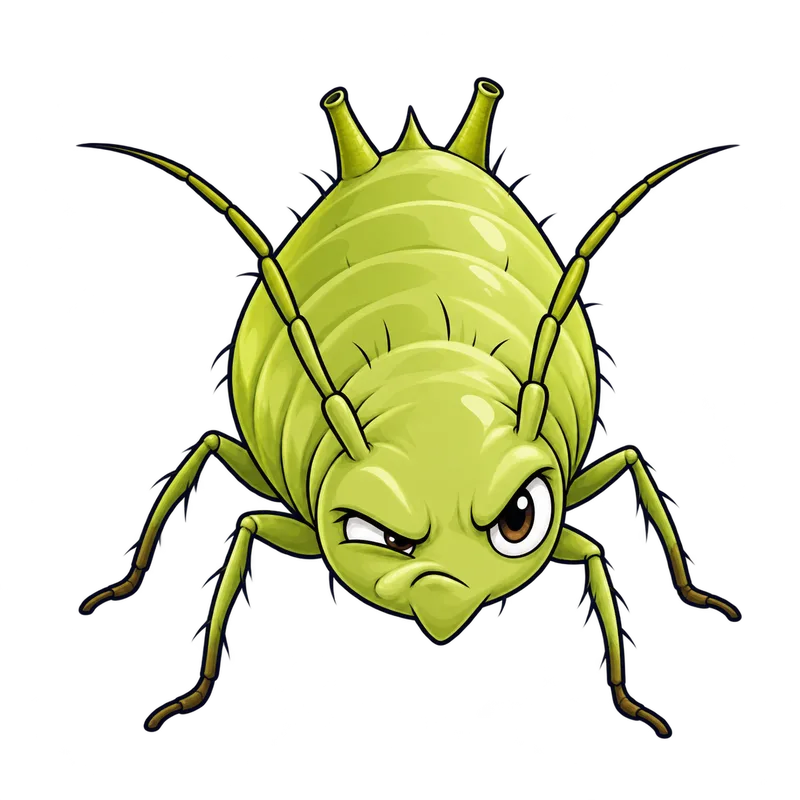
Before you mix any sprays or start pruning, take a close look at what is actually living on those stems. Aphids on roses are usually soft-bodied, pear-shaped, and measure about the size of a pinhead, coming in shades of green, pink, yellow, or nearly black depending on the specific species and the time of year. If you look closely with a hand lens, you will usually spot two tiny, tube-like projections called cornicles pointing backward from their abdomen, which helps set them apart from other small garden visitors.
You will also want to check for signs that nature is already handling the problem for you. Scan the leaf undersides for aphid mummies, which are bloated, bronze, or tan husks that look completely different from the soft, plump live insects. Those husks mean a beneficial parasitoid wasp has laid an egg inside the aphid, and a new generation of garden defenders is getting ready to hatch. If you see those mummies, you usually want to hold off on any treatments so you do not accidentally wipe out your best biological allies.
It is equally important to make sure you are not misdiagnosing other common rose problems as aphid damage. Sawfly larvae, often called rose slugs, chew windowpane patterns into the leaves rather than sucking sap, and hard-bodied adult beetles like rose chafers will ignore insecticidal soaps entirely. Taking thirty seconds to inspect the exact type of damage and look at the insects with a magnifying glass saves you from wasting time on the wrong remedy.
What usually comes next
The single most practical decision you face once you spot an infestation is whether to use mechanical removal right now or simply step back and wait for predators to show up. If the colony is small and confined to just a couple of shoot tips, you can usually grab your garden hose and direct a strong, focused stream of water at the affected areas. This physically dislodges the pests, washes away the sticky honeydew, and resets the plant surface without leaving a single drop of residue behind, much like washing dust off a car windshield.
If you choose the water jet route, you are buying time for ladybugs, lacewing larvae, and syrphid flies to find the remaining stragglers. Buying commercial ladybugs from a garden center to release onto your roses usually does not work because those harvested insects have a strong instinct to fly away immediately upon release, leaving your yard almost as fast as they arrived. Relying on the predators that naturally wander into your landscape is far more effective.
The one thing you should avoid doing at this stage is reaching for a high-nitrogen synthetic fertilizer to help the rose recover from the stress. Pouring extra nitrogen onto the soil is like setting out an all-you-can-eat dessert buffet for the remaining pests, as the surge of soft, succulent new growth will only trigger an even larger aphid explosion a week later. Keep your cultural care steady and let the plant manage its own recovery once the physical pressure of the colony is removed.
When to get help
Sometimes an infestation gets entirely out of hand, or the symptoms on your plants point to something far more serious than ordinary garden aphids. If your rose bushes begin showing severely distorted, witches-broom growth, abnormally thickened stems, and an explosion of red, bristly thorns that do not respond to any pest control efforts, you need to contact a local university extension service or plant diagnostic laboratory. Those symptoms can indicate Rose Rosette Disease, a viral infection vectored by microscopic mites that requires specialist confirmation and usually means the affected plant must be removed to protect neighboring roses.
On the safety front, whenever you handle garden chemicals, always read and follow the instructions printed directly on the product label. If you or someone in your household experiences accidental pesticide ingestion, skin irritation, or eye contact, stop what you are doing and contact a physician, an urgent care clinic, or your local poison control center right away, making sure to bring the product container with you. Finally, if you manage a large commercial nursery, an extensive public garden, or mature trees where manual spraying is impractical, bring in a licensed professional applicator equipped with the right high-pressure gear to handle the workload safely.