
How do aphids reproduce?
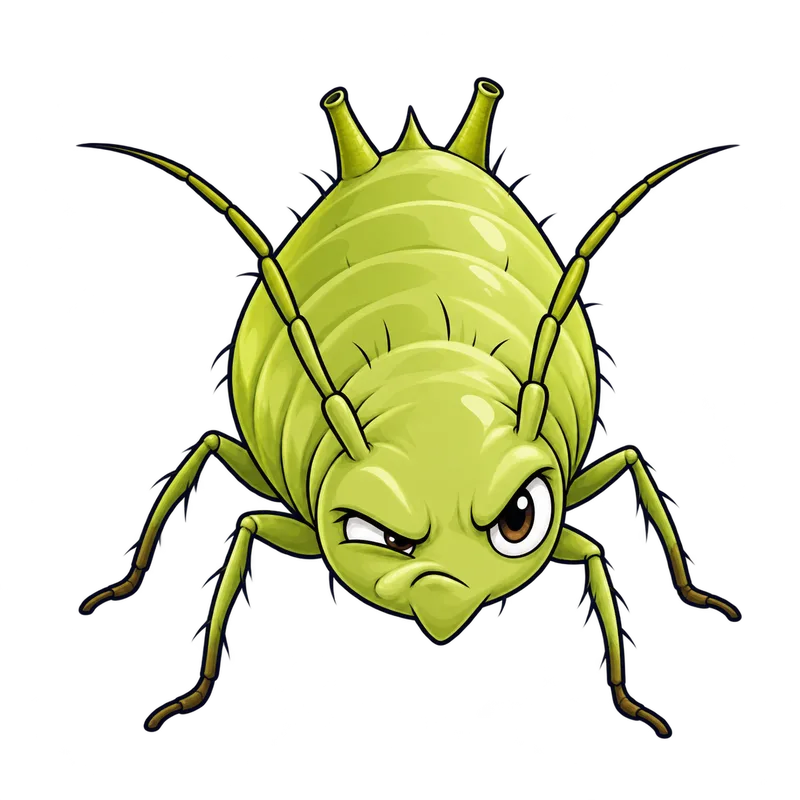
In spring and summer, aphids reproduce mainly through unfertilized females giving birth to live female nymphs instead of laying eggs. When days shorten, temperatures fall, or plants get crowded, some colonies produce sexual adults that mate and lay tough black eggs to survive the winter.
What is actually going on
Picture a rosebud, or the tender tip of a bean plant, on a warm May morning. Yesterday there were two little green specks near the bud. Today there is a whole crowd, packed shoulder to shoulder, with a few ants strolling through them like they pay rent there. It feels as if the aphids must have flown in overnight and started laying eggs everywhere. Most of them did not fly in, and almost none of them are laying eggs.
Here is the short answer. In spring and summer, aphids reproduce mainly by virgin birth with live delivery. The technical phrase is viviparous parthenogenesis, which just means unfertilized females give birth to live female nymphs instead of laying eggs. No male is needed, no mating pause, no waiting around for eggs to hatch. A young aphid can become an adult in roughly 10 days in warm weather, and one adult female can produce about 20 to 25 live nymphs over a 2 to 3 week life. That is why a colony seems to appear out of nowhere. It is less like a nest being built and more like a photocopier that never sleeps.
There is an even sneakier detail. A female aphid can carry developing daughters inside her, and those daughters can already have embryos forming inside them. Gardeners sometimes call this telescoping generations. Think nesting dolls, except every doll is alive, hungry, and standing on your kale. This answers the objection everyone raises: there cannot have been enough time for that many aphids. There was, because aphids skip several of the slow steps other insects need.
So do aphids ever do things the ordinary way? Yes, when the calendar tells them to. As days shorten, temperatures fall, or the plant gets crowded and tired, many aphids switch strategy. Colonies start producing winged females that can leave for fresh plants, and in cold winter regions they often produce males and egg laying females. Those sexual adults mate, and the females lay tough, shiny black eggs on stems, buds, bark, or nearby debris. The eggs wait out winter, then hatch in spring into founder females that start the all female live birth cycle again. In mild climates, heated greenhouses, and protected indoor plants, the sexual egg stage may never happen at all. Wingless females can simply keep giving birth all year if food and warmth hold out, which explains why the aphids on your kitchen windowsill herbs do not seem to know what season it is.
How to tell for sure
Aphids are usually small, soft bodied, pear shaped insects, around 1/10 inch long, though size varies by species and age. They can be green, black, yellow, pink, red, brown, gray, or a dusty lavender, so color alone is a lousy identification tool. The better clue is the whole scene: clusters on tender new growth, buds, curled leaves, and the undersides of leaves, often with cast white skins stuck nearby where nymphs have molted.
Look for the byproducts too. Aphids drink plant sap, which is sugary but short on protein, so they process a lot of liquid and excrete the excess as honeydew. Leaves may feel sticky, and a black sooty mold can grow on that sugary film, like a greasy fingerprint that dust has glued itself to. Ants crawling up and down stems are another hint, because many ants harvest honeydew and will defend aphids from predators. Some species even get carried by ants to plant roots in spring, which sounds made up until you remember ants are excellent at finding a sugar supply.
Do not diagnose from one blurry photo or from curled leaves alone. Whiteflies, soft scales, mealybugs, leafhoppers, some caterpillars, and even plant disease can create overlapping symptoms. Use a 10x hand lens and check whether the insects have the classic aphid look: soft body, long antennae, and a pair of little tube like cornicles sticking out from the rear end, like tiny exhaust pipes. Winged aphids appear when colonies are crowded or the host is declining, so seeing wings does not mean a new invasion. It usually means the local population is shopping for its next meal.
One useful field sign is the aphid mummy. These are swollen, tan or bronze, papery husks left after a tiny parasitoid wasp has developed inside the aphid. They look ominous, but they are good news: free pest control is already on the job. If you are not sure what you have, catch a few specimens in a sealed bag or take clear close up photos next to a ruler and ask a local extension service or diagnostic lab. That beats spraying the wrong thing because the internet said probably aphids.
What usually comes next
The real decision is rarely which spray kills everything. It is whether this particular colony is actually outrunning the plant and the predators. A handful of aphids on sturdy, established plants usually does little lasting harm, and meanwhile those aphids are feeding lady beetles, lacewing larvae, syrphid fly larvae, and parasitoid wasps. If you wipe out every first aphid on sight, you tend to take the helpful insects down with them, and the rebound that follows can be worse than what you started with. That is the gardening version of firing the security staff because you spotted one shoplifter.
Start with weekly checks once buds open, paying attention to new shoots and leaf undersides. For small outbreaks, a firm jet of water knocks aphids off sturdy foliage, and plenty of them never find their way back. Go easy on nitrogen fertilizer, because heavy feeding pushes lush, sappy growth that aphids reproduce on faster. Pull or mow weedy alternate hosts near fruit trees when that applies to you, especially broadleaf weeds like plantain and dock, where certain apple aphids spend part of the season. And if ants are farming root aphids or guarding colonies, disturbing nests and cutting off ant access can matter more than anything you spray on the leaves.
If action is justified, pick the least disruptive option that fits the plant and follow the label exactly. Insecticidal soap can work on soft bodied aphids, but only where it touches them, so leaf undersides matter, and household dish soap is not a substitute no matter what a forum told you. Neem and horticultural oils have their place, but the label, the plant's sensitivity, the weather, and the timing decide whether they are a smart move or a leaf burn waiting to happen. If you are seeing plenty of aphid mummies, lady beetle larvae, or lacewing eggs, waiting a few days is often the better call. On apple trees, extension guidance commonly works from thresholds rather than panic, such as treating green aphids only when infestations pass an average of 4 leaves per shoot and fewer than 20% of colonies show natural enemies, though your crop, tree age, and region can shift that call.
When to get help
Call in help when the problem is bigger than a hand lens and a hose. Young fruit trees, valuable ornamentals, greenhouse crops, and plants already stressed by drought or disease can be damaged faster than mature backyard plants. Heavy infestations high in large trees, outbreaks that come back every season, suspected regulated pests in commercial fruit, or signs of plant virus spread all deserve a professional arborist, licensed applicator, extension agent, or the relevant plant health authority. Do not try to identify a notifiable pest or a viral disease from a photo and a hunch.
Get medical or poison help immediately if a pesticide is swallowed, splashed in eyes, inhaled, or makes someone ill. In the United States, Poison Control is 1-800-222-1222, and emergency symptoms call for emergency care. The product label is the legal instruction sheet, so do not exceed rates, mix products on a whim, or use anything on a crop it does not list. Restricted use products belong with certified applicators.
The short version is simple. Summer aphids are mostly females birthing live females at alarming speed, autumn turns some colonies toward wings, sex, and winter eggs, and mild protected spots can keep the live birth loop running all year. Once you know that, the sudden crowd on the rosebud stops looking mysterious and starts looking manageable.