
What are oleander aphids?
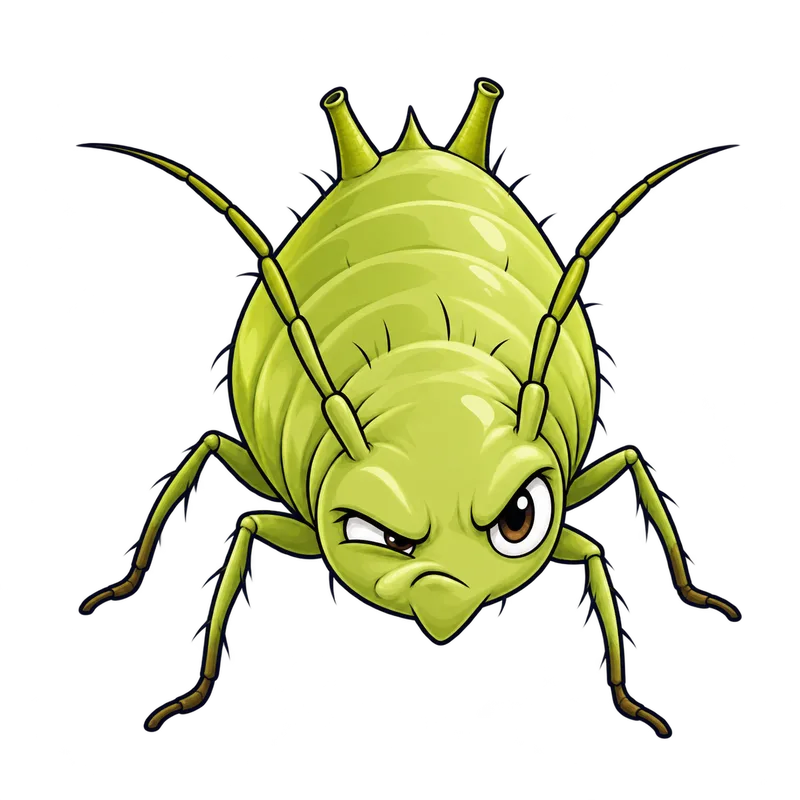
Oleander aphids are small, soft-bodied insects roughly a tenth of an inch long that settle on oleander plants and drink sap from the tender new growth. They crowd together on shoots and leaf undersides, leaving behind sticky honeydew and distorted leaves. They do not bite people, but they can multiply quickly and stunt young shrubs.
What is actually going on
Picture a warm evening in early summer. You walk past the oleander hedge, the one that has behaved itself for years, and the newest shoots look curled and cramped, as if someone pinched each tip and forgot to let go. You flip a leaf over and find a dense little crowd of tiny insects parked along the stem. Lower down, the foliage feels tacky, like the shrub has been misted with sugar water and left to dry in the sun.
That is the short answer to the title: oleander aphids are aphids that have settled on oleander and started living off its sap. Aphids are small, soft-bodied insects, roughly a tenth of an inch long, and they feed by pushing needle-like mouthparts into the plant and drinking from its plumbing. They do not chew holes the way caterpillars or beetles do. A colony simply siphons sap, and the tender new growth reacts by puckering, curling, yellowing or stunting.
The sticky shine is the other half of the story. Aphids excrete the extra sugar they cannot use, and that residue is called honeydew. In plain terms, it is spilled soda that nobody wipes up. A dark, dusty fungus called sooty mold often grows on that film, so an infested oleander can look dirty before it looks seriously hurt. The mold is ugly, but it is mostly riding on the mess rather than invading the leaf.
Here is the part that saves people a lot of panic: a modest cluster on a big, established oleander is usually not a five-alarm event. Aphids multiply at an absurd pace because females in spring and summer can produce live young without mating, which sounds like cheating and honestly is. But gardens are also full of things that eat them. Lady beetles, lacewing larvae, hoverfly larvae and tiny parasitic wasps treat an aphid colony like a buffet with no closing time. Many small outbreaks get trimmed back by that cleanup crew before the plant suffers more than cosmetic damage.
One worry you can cross off immediately: aphids do not bite people, sting, or carry human disease. They are a plant problem, full stop. The risk sits with the shrub, and with what a frustrated gardener might spray before thinking.
How to tell for sure
You will usually identify the situation before you identify the insect, and that is fine. The pattern is the giveaway: crowded clusters of small, soft, pear-shaped insects on tender shoot tips, flower buds and leaf undersides, plus curled new growth and that telltale sticky shine below. If leaves develop a black, sooty coating and the plant is not parked beside a road or a grill, honeydew plus mold is the usual explanation, and honeydew usually means sap-sucking insects overhead.
Get close, ideally with a cheap 10x hand lens, and look for live aphids of different sizes packed shoulder to shoulder. Adults and nymphs often sit together, and a crowded colony may grow a few winged individuals that can drift off to start trouble elsewhere. White, papery shed skins stuck to leaves are another clue, since aphids leave those behind as they grow. Ants marching up and down the stems matter too, because ants farm aphids for honeydew the way a rancher tends cattle, and they will chase off lady beetles to protect the herd.
The most useful clue is also the easiest to miss: swollen, bronze-colored, papery husks among the living aphids. Those are aphid mummies, meaning a parasitic wasp has already laid an egg inside that aphid and the next generation of free pest control is developing in place. If you see a good sprinkling of mummies, the colony is not an untouched disaster. It is a battlefield, and your side may already be winning.
Now a little humility, because aphids invite overconfidence. They come in green, black, yellow, pink, gray and more, and several species will feed on ornamental shrubs. Telling one from another by eye is genuinely hard, and confirming the exact species on your oleander usually takes a specialist with a microscope or a plant diagnostic lab. The good news is that the Latin name rarely changes the first decisions. The damage pattern, honeydew, sooty mold and sensible response are broadly the same across the aphids likely to show up on oleander.
The common wrong turn is seeing the black coating and deciding the plant has a fungal disease, then reaching for a fungicide. Sooty mold does not infect the leaf. It lives on the sugary film sitting on the surface. Remove the aphids, the honeydew stops, and the mold gradually weathers away. Spraying the mold while ignoring the insects is like mopping around a leaking pipe and feeling productive.
What usually comes next
The real decision is not which spray to buy. It is whether you should intervene at all, and the plant usually hands you the evidence if you look before you act. Check for mummies and predators first. If a good share of the aphids are bronze husks, or you spot lady beetle larvae, those little black-and-orange hunters that look like tiny alligators, working their way through the colony, the smartest move may be to put the sprayer down and give it a week.
That restraint is not sentimentality. Spray at the wrong moment and you kill the wasps developing inside the mummies along with the predators on the leaves, while plenty of aphids survive or simply show up afterward. Aphids bounce back from that faster than their enemies do, which is exactly how a minor aphid moment turns into a season-long subscription. Spraying feels productive. Sometimes it is just arson with good intentions.
If the colony is heavy, the tips are badly distorted, and there is no sign of natural enemies anywhere, start with physical methods. A firm jet of water from the hose knocks soft-bodied aphids clean off the plant, and a lot of them never find their way back. It feels almost too simple, but on a sturdy shrub like oleander it can work well and costs nothing. Insecticidal soaps and horticultural oils are the usual next step if water is not enough, with one blunt caveat: they are contact materials that only kill what they actually touch and do nothing once they dry. A soap spray from last Tuesday has no opinion about the aphids that land on Friday, and the label on whatever you use is the final word on how to apply it.
Two background habits matter more than any bottle on the shelf. First, ease up on nitrogen fertilizer, because pushing lush, soft, fast growth is like mailing aphids an engraved invitation. Second, deal with the ants if they are guarding the colony, since your predators cannot do their job while security keeps throwing them out. Skip routine preventive spraying too. Broad-spectrum insecticides on a schedule mostly evict the beneficial insects, they are rough on bees, and nothing should go on a blooming plant while pollinators are working it.
So ask the practical question before the shopping question: is the plant actually declining, or is it hosting a crowd that is already being eaten? A big oleander with curled tips and a busy lady beetle workforce usually needs patience more than artillery. A young plant getting twisted and stalled, with no allies in sight, is a different situation altogether.
When to get help
Most oleander aphid situations come down to a garden hose, a sharp eye and a bit of patience. Some do not, and pretending otherwise wastes a season. Call a professional, your county extension service or a plant diagnostic clinic when the shrub is large enough that treating it means spraying overhead canopy, when a young or recently planted specimen is getting badly stunted, when damage keeps spreading despite sensible steps, or when the symptoms look bigger than feeding.
That last point deserves plain language. Widespread yellowing, distorted growth across the whole plant, or decline that does not match the size of the colony can point to something beyond sap loss. Aphids can spread plant viruses, and that possibility is worth a proper diagnosis rather than a confident guess from the driveway. If you run a nursery or manage plantings commercially, thresholds and treatments become a professional decision, not a weekend experiment with a sprayer and optimism.
On the human side, the aphids themselves are harmless to you. The products used against them are where the caution belongs. Follow the label exactly, keep sprays away from ponds, drains and anywhere fish or aquatic life could be exposed, and keep pollinators out of the line of fire. If a pesticide gets in eyes, on skin in quantity, or is swallowed, contact poison control or a medical professional right away instead of waiting to see how it goes.
The short version: confirm the pattern, look for bronze mummies before touching anything, let the garden's cleanup crew work when it is willing, and escalate only when the plant, the scale of the job or the symptoms say it is time.