
How do you identify aphids on new plant growth?
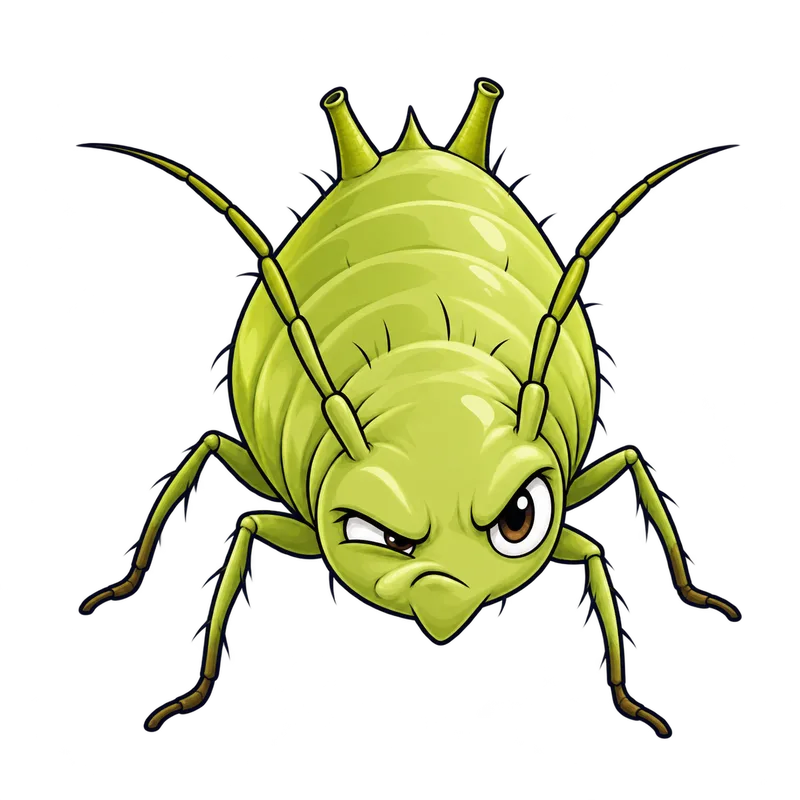
You can identify aphids on new plant growth by looking for dense clusters of soft-bodied, pear-shaped insects measuring about 2.54 mm long on the undersides of leaves and expanding shoots. Their feeding causes puckered and curled leaves, and they leave behind a sticky liquid called honeydew.
What is actually going on
You walk out to check your prize tomato plant or young rose bush on a bright Tuesday morning, and the tender new leaves at the very top look crumpled and sad. When you bend down to take a closer look, the stem is practically carpeted with tiny, pear-shaped insects. They are crowded so tightly around the growing tip that the plant looks like it is wearing a moving sweater.
Identifying aphids on new plant growth comes down to spotting these dense clusters of soft-bodied insects, which usually measure about 2.54 mm or one-tenth of an inch long, hanging out on the undersides of leaves and on expanding shoots. You will rarely find them on tough, mature foliage lower down on the stem. Just like a person reaching for the tender, crisp center leaves of a head of lettuce rather than the fibrous outer stalks, aphids go where the food is easiest to reach. New growth is packed with the watery, nitrogen-rich sap they need, and their needle-like mouthparts can pierce the soft tissue without a fight.
Once they start feeding, they leave a trail of clues that make them hard to miss if you know what to look for. The damage itself shows up as puckered, curled leaves and stunted shoots because the insects are draining the internal pressure from the plant cells. As they digest all that sugary sap, they excrete a sticky, clear liquid called honeydew. Think of it like accidentally spilling a sugary soda on a glass table and letting it sit in the sun. It leaves a tacky glaze that soon attracts a dark, soot-like fungus known as black sooty mold.
Over-fertilizing plants with nitrogen can make this situation much worse. High nitrogen levels trigger flushes of soft, succulent growth that act like an open invitation to wandering aphids, causing their populations to surge rapidly on the fresh stems.
How to tell for sure
Do not rely on a generic description of colors when you are hunting for these pests. An aphid can be green, black, pink, yellow, lavender, or even blue-green depending on the species and what it is eating. Instead, look at their shape and behavior. They are pear-shaped, sluggish, and usually wingless when the colony is comfortable, though winged adults will appear when the crowd gets too big and they need to fly off to colonize a neighboring plant.
If you want to check your plants properly, take a few minutes for a deliberate walk around your garden beds. Scan the terminal shoots and flower buds first, then gently lift the new leaves to look underneath, treating the lower leaf surface like a protective umbrella where these insects hide from harsh sun and heavy rain. If your naked eye is not quite cutting it, grab a ten times magnification hand lens to get a closer view of the colony.
Look closely at the stems for other clues. You might spot ants patrolling the colonies because they harvest the sweet honeydew. In other cases, you might notice swollen, bronze- or tan-colored husks attached to the stem. These are aphid mummies, which are left behind when a tiny parasitic wasp has done its work inside the pest.
What usually comes next
Spotting a few aphids on a fresh shoot might make you want to grab the nearest heavy-duty spray, but take a breath. A small colony on a couple of leaves rarely requires chemical warfare, particularly if native predators like lady beetle larvae or hoverfly maggots are already on the job. Commercial apple orchards generally wait until green aphids exceed an average of four infested leaves per shoot before treating, and even then, they hold off if beneficial predators are keeping the numbers in check.
Finding bronze aphid mummies on the stem is your cue to step back and do nothing. Those papery husks mean beneficial parasitic wasps are developing inside, and spraying at that point only destroys your best natural allies.
If the population is small and you prefer a hands-on approach, you have a few simple options that do not require a bottle of poison. You can take a garden hose with a high-pressure nozzle and give the infested shoot a sharp blast of water, knocking the pests off the plant the way you would wash mud off a muddy boot. For indoor houseplants or delicate ornamentals, wiping the stems and leaf undersides with a damp sponge or a cotton swab dipped in rubbing alcohol works just fine.
When gardeners do choose a soft control product on edible crops, options like insecticidal soap, neem oil, azadirachtin, and pyrethrins feature a zero-day pre-harvest interval on labeled crops. Never apply any pesticide, even an organic soap or oil, while host plants are in open bloom, as you must protect foraging bees and other pollinators from harm.
When to get help
Sometimes a plant issue goes beyond a simple garden pest problem, and you need outside reinforcement. Aphids are notorious carriers of severe plant viruses, including various mosaic strains. If your plant is displaying persistent viral symptoms like bright yellow streaking, severe dwarfing, or unnatural leaf cupping even after the insects are gone, washing the leaves will not save it.
You also need to exercise caution with plant sensitivity. Tender indoor houseplants and sensitive ornamentals can suffer severe leaf burn or total defoliation if treated incorrectly with harsh chemical concentrates. If you are dealing with large shade trees, extensive commercial crops, or complex systemic soil treatments that require strict adherence to pollinator protection rules, hand the job over to a certified professional arborist, a licensed custom spray applicator, or your local university extension office for guidance.