
How do you decide whether aphids on a plant need treatment?
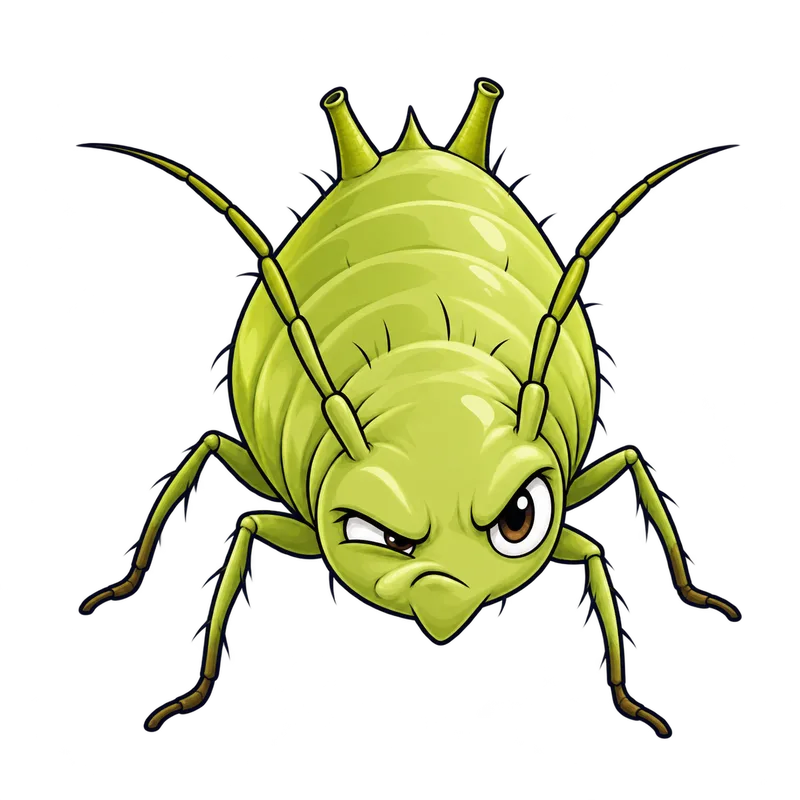
Deciding whether aphids need treatment depends on whether natural predators are present and if infestations exceed an average of four infested leaves per shoot. Small colonies on established plants rarely cause permanent injury and often resolve naturally if beneficial insects are actively hunting them.
What is actually going on
You step out onto the porch with your morning coffee, glance down at your prize rose bush or the homegrown pepper plants by the fence, and notice the tender new shoot tips are absolutely crowded with tiny, pear-shaped bugs. Naturally, your first instinct is to panic and reach for a heavy-duty spray bottle, but the honest truth is that finding aphids on a plant does not automatically mean you need to treat them. Small, localized colonies of plant lice rarely cause permanent economic injury to established plants, and treating every single sighting often creates more headaches than it solves.
The real trouble with aphids is not just that they pierce plant tissue and steal sap, though that certainly causes leaves to pucker and curl when populations explode. As they feed, they excrete a clear, sticky, sugary liquid called honeydew, which coats the foliage much like a spilled soda on a kitchen floor. If left alone in warm weather, a dark, unsightly layer of sooty mold inevitably grows on top of that sugar, blocking sunlight and reducing the plant ability to photosynthesize. Even so, nature usually has a built-in safety net waiting in the wings.
Before you take any drastic steps, take a close look at who else is hanging around that plant. If you spot beneficial insects like lady beetle larvae, lacewings, syrphid fly larvae, or tiny parasitic wasps actively hunting or laying eggs, the biological controls are already on the job. A natural lag always happens between an aphid population surge and the arrival of their predators, meaning you might have to tolerate a few weeks of cosmetic damage while the local ecosystem catches up and stabilizes the neighborhood on its own.
How to tell for sure
Identifying aphids is usually straightforward once you know what features to look for under a ten times hand lens or your smartphone camera zoom. They are small, soft-bodied insects measuring roughly one-tenth of an inch long, and they come in a surprising array of colors including green, black, pink, yellow, brown, and blue-green. The most reliable giveaway is a pair of tiny, pipe-like tubes called cornicles projecting backward from the rear of the abdomen, resembling dual exhaust tailpipes on a subcompact car.
You will also want to check the undersides of leaves and the tender new growing tips of stems, which are their favorite hangout spots. When scouting an orchard or a larger garden, university extension guidelines usually suggest treating tree fruit crops only when infestations exceed an average of four infested leaves per shoot and fewer than twenty percent of those colonies harbor natural predators. If you notice swollen, papery, bronze- or tan-colored husks attached to the leaves, those are parasitized aphids known as mummies, which serve as absolute proof that parasitic wasps are hard at work inside your yard.
One common mistake is assuming that buying a tub of adult ladybugs and releasing them into an open yard will solve the problem instantly. Doing that is much like buying someone else a plane ticket, because those beetles will almost always fly away from your property within twenty-four to forty-eight hours to find food elsewhere. Encouraging native predators by keeping your garden hospitable is usually far more effective than trying to stock it artificially.
What usually comes next
When scouting reveals that aphid numbers have blown past reasonable thresholds and natural predators are nowhere to be found, your next move depends entirely on practical mechanical steps and physical controls. For a small garden patch or an isolated cluster of pests on a houseplant, you can often skip the chemicals entirely and simply prune off the worst of the affected shoot tips or wash the insects away with a strong, forceful jet of clean water from your garden hose.
If washing and pruning are not enough to bring numbers down, commercial insecticidal soaps or horticultural neem oil are generally the best first line of defense for food crops and ornamentals. These products work through direct physical contact by disrupting the outer membranes or smothering the soft bodies of the pests, meaning they must physically touch the insect to be effective and have zero residual activity once dry. Always make sure to spray during the early morning or evening when temperatures stay below eighty-five degrees Fahrenheit, and direct your spray nozzles upward to thoroughly coat the undersides of the leaves where aphids hide.
Never mix household dish detergents or laundry soaps into a spray bottle and dump them on your plants, as those household cleaners contain aggressive synthetic degreasers that strip natural plant leaf waxes and cause severe foliar burn. Avoid using broad-spectrum synthetic pyrethroids if you have any spider mites sharing the same space, because those harsh chemicals wipe out predatory mites while leaving plant-eating mites completely unharmed, which frequently triggers a massive secondary mite explosion.
When to get help
There are moments when a garden-variety aphid problem crosses the line into something that requires outside expertise, official intervention, or professional equipment. If you are dealing with a severe infestation scaling the canopy of mature, towering shade trees in your yard, standard homeowner pump sprayers cannot achieve the necessary coverage, and you will need to engage a licensed commercial arborist equipped with high-pressure hydraulic spray rigs.
Legal and safety boundaries also matter quite a bit when handling pest control treatments. Always read and follow every instruction on the pesticide product label, strictly obeying pre-harvest intervals and re-entry restrictions to avoid chemical residues on food crops or accidental environmental contamination near ponds and storm drains. If you suspect you have encountered an unusual or regulated invasive sap-feeding insect alongside quarantine symptoms, contact your regional university extension diagnostic clinic or local department of agriculture office for official specimen confirmation rather than guessing at the management plan.