
When do aphids on roses need active control?
Active control for aphids on roses is only necessary when their populations multiply rapidly on tender shoots and flower buds before severe leaf curling or sticky black mold takes over, and when natural predators are nowhere to be found. If a small cluster sits on a single stem, you should leave them alone.
What is actually going on
You walk out to check your favorite hybrid tea rose on a pleasant Tuesday morning, only to find the tender new shoot tips and unopened flower buds completely coated in a writhing, sticky mass of tiny green insects. Your first instinct is probably to run inside, grab the strongest chemical spray you can find, and wipe them out before they ruin the entire bush. Before you do that, take a deep breath. Most of the time, aphids on roses look far more alarming than they actually are, and reaching for an aggressive pesticide right away usually causes more trouble than it solves.
Active intervention against aphids on roses is only necessary when their populations build rapidly on tender new shoots and flower buds before severe leaf curling, stunting, or sticky black mold takes over, and when natural predators are nowhere to be found. In a healthy garden, total eradication is neither realistic nor even desirable. If you have a small cluster of aphids sitting on a couple of leaves or a single stem, that is a low-urgency situation. Leave them be for a few days, because nature has a funny way of sorting these things out on its own.
Think of it like an all-you-can-eat buffet. When you over-fertilize your roses with too much nitrogen, the plant responds by pushing out soft, succulent new growth. To an aphid, those tender tips are an open invitation, and their populations will explode overnight because the food is so easy to access. If you manage your fertilizer sensibly and give the local ecosystem a chance to breathe, you can often avoid a full-scale crisis without ever opening a bottle of spray.
How to tell for sure
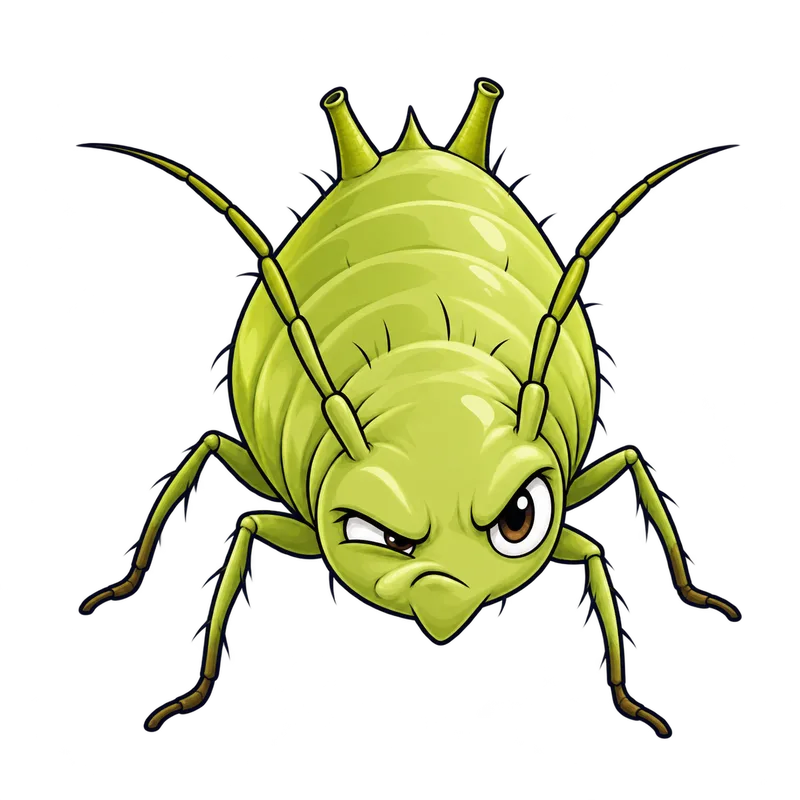
You need to know what you are looking at before you start spraying things around your yard. Aphids are usually tiny, pear-shaped, soft-bodied insects measuring about one-tenth of an inch long, and they usually come in shades of green, pink, or black. They love to crowd together on the underside of young leaves and right around the base of developing flower buds where the sap flows thickest. If you look closely, you will often see tiny tube-like projections sticking out of their rear ends, which are called cornicles.
You should also check for the sticky, clear residue they leave behind on the foliage, which is called honeydew. That sweet sap excretion is what draws ants to farm the aphids, and it eventually grows a layer of dark, powdery fungi known as sooty mold that blocks sunlight from reaching the leaves.
Before you decide to act, look closely at the colony for signs that nature is already doing your job. Spotting swollen, tan, or bronze-colored husks attached to the stem means parasitic wasps have already laid eggs inside the aphids, turning them into what gardeners call aphid mummies. You might also spot alligator-shaped lacewing larvae or legless syrphid fly maggots crawling around the stems. Finding these beneficial insects usually means you should put the spray bottle down and let the security team finish their work.
What usually comes next
When scouting tells you the aphids are multiplying faster than the predators can eat them and the leaves start to pucker, you have to decide how to handle it. Skip the little tubs of ladybugs at the garden center, because those mostly fly away the second you open the package. Instead, try the simplest mechanical reset button in your shed, which is a sharp jet of water from your garden hose.
Aiming a strong spray of water right at the infested rose buds will physically dislodge the soft-bodied pests. Once they land on the mulch or soil, most aphids struggle to climb back up the stem and simply perish. If water alone is not enough and the colonies keep expanding, your next best move is a spot treatment with a contact spray like insecticidal soap or horticultural oil.
These products work by smothering the insects on contact, but timing is everything here. Never apply soaps or horticultural oils when the afternoon temperature climbs past eighty-five degrees, or when your rose bushes are suffering from drought. Doing that is a fast way to strip the protective waxes right off the leaves, baking the plant tissue in the sun and leaving you with crispy, brown foliage that looks much worse than any aphid damage. Always check the product label for specific mixing directions, and remember that these sprays stop working the minute they dry, meaning they only kill what they touch right when you spray it.
When to get help
Sometimes a casual backyard setup turns into a situation that requires outside support. If you manage a large commercial nursery, a public display garden, or an estate with hundreds of massive rose bushes, high-pressure equipment and a professional applicator are usually necessary to keep things under control.
You should also pause if the symptoms on your roses do not match standard aphid damage, or if the plants show severe dieback, distorted growth, and leaf curling that refuses to clear up after you try basic management steps. Plant diseases can cause unusual twig clusters and red, distorted stems that look somewhat like severe insect stress at first glance, but require an entirely different response. When you run into persistent damage that you cannot confidently diagnose, reach out to your local university extension office or a licensed professional for a proper assessment.