
What are little white bugs on strawberries?
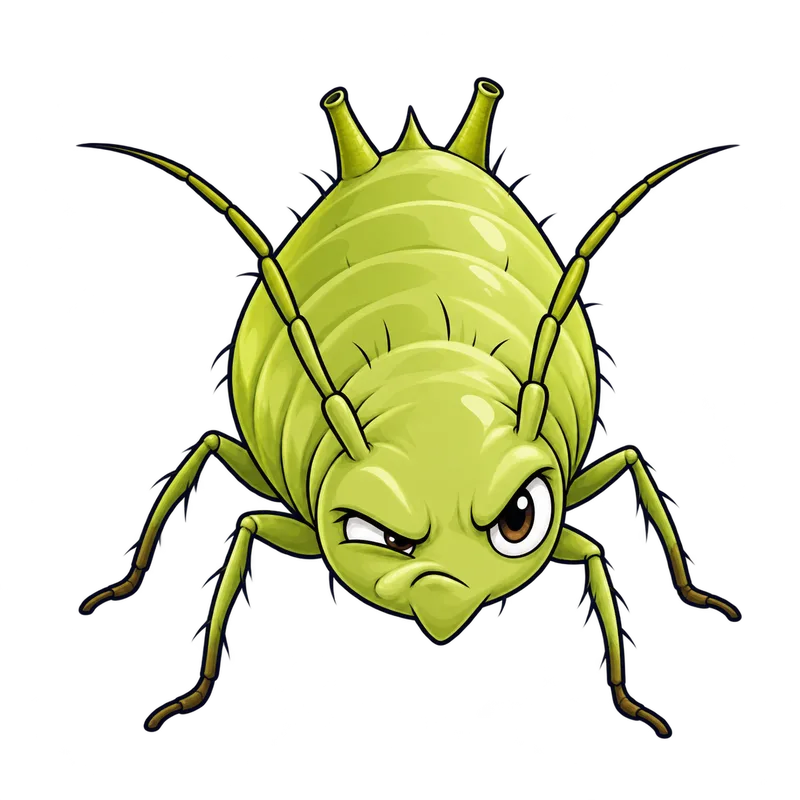
Little white bugs on strawberries are most commonly whiteflies, two spotted spider mites, cyclamen mites, aphids, thrips nymphs, mealybugs, or scale crawlers. Because these creatures range from winged sap suckers to microscopic arachnids, knowing what you are looking at depends on their behavior, such as whether they fly away when disturbed or stay anchored to the plant.
What is actually going on
You walk out to the garden with your morning coffee, crouch down beside the strawberry patch, and flip over a leaf to check on the fruit. Instead of a pristine berry, you spot a collection of tiny white specks clinging to the underside. They look like tiny motes of flour or white dandruff flakes that suddenly sprout wings and take flight the moment you brush past the stem, or perhaps they stay completely still while leaving behind a faint, sticky residue. It is easy to assume you are dealing with one simple pest, but that visual description actually covers several completely different culprits.
Tiny white bugs on strawberries are most commonly whiteflies, two-spotted spider mites, cyclamen mites, aphids, thrips nymphs, or mealybugs and scale crawlers. Because these creatures range from winged sap-suckers to microscopic arachnids, knowing what you are looking at changes everything about how you handle the patch. Some fly away in a cloud when disturbed, while others stay anchored to the plant, drinking juices and quietly ruining your harvest from the shadows of the leaf veins.
To make matters worse, their feeding styles vary wildly. Some pierce plant tissues and pump out a sticky, sugary liquid called honeydew that attracts black sooty mold. Others rasp away at the surface cells, leaving behind silvery scars or tiny white pinprick stippling that makes the foliage look like sandblasted glass. If you want to fix the problem, you have to stop guessing based on a vague white color and look closer at what those bugs are actually doing.
How to tell for sure
You usually need more than a casual glance to figure out which pest has moved in, and keeping a hand lens nearby is normally the best way to get past the guesswork. Start by giving the foliage a gentle shake. If a small cloud of powdery white adults flutters up into the air, you are usually looking at whiteflies. If they stay put, check the leaf undersides for fine silk webbing and tiny pale oval organisms that measure about one millimeter across, which usually points to two-spotted spider mites.
If the new leaves in the center of the plant emerge tightly twisted, dwarfed, and bronzed, but your hand lens shows nothing at all on the surface, you are usually dealing with cyclamen mites. These translucent pests measure under a fraction of a millimeter and hide deep in the crown crevices, completely invisible to the naked eye. On the other hand, if you spot soft, pear-shaped, stationary pale nymphs clustering on tender shoots and leaving a sticky trail, you usually have aphids.
Finally, check inside the flower blossoms and along the stems for needle-thin, active yellow larvae that leave behind silvery scars and white blotches. Those are thrips. If you find white, cottony, waxy masses tucked away at the base of the stems, you are usually looking at mealybugs or scale crawlers hiding beneath their protective coatings.
What usually comes next
Once you have figured out who the unwelcome guests are, your most practical move is picking a treatment that fits your picking schedule, which means keeping a close eye on the waiting period before harvest. You can think of this mandatory gap as a simple traffic light for your fruit. If the berries are ripe and ready for your breakfast bowl today, you need a zero-day choice like insecticidal soap or neem oil that lets you pick safely once the spray dries. Reach for a harsh chemical with a long waiting period while your fruit is blushing red, and you are breaking the product label and swallowing residues you definitely did not ask for.
Before you grab a spray bottle, it pays to take a broader look at the whole garden community buzzing around your plants. If you spot a few aphid clusters peppered with swollen, paper-dry husks, drop the sprayers and walk away. Those are mummies left behind by parasitic wasps, meaning local beneficial insects are already working the night shift for you, and a chemical blast will only wipe out your best friends.
The same rule applies to spider mites, where reaching for broad-spectrum synthetic sprays is usually a quick ticket to disaster. Those heavy-duty chemicals wipe out the ladybugs and predatory mites keeping things in balance, leaving the surviving spider mites free to multiply without any predators left to stop them. Keep your treatments targeted to the leaf undersides where these bugs actually hide, and always follow the safety instructions on the package.
When to get help
Some garden problems grow too big for a backyard fix and need professional eyes or official intervention. If you or someone helping in the garden develops an unexplained skin rash, severe bites, or allergic symptoms after handling the plants, stop guessing and get professional help right away. Take the affected person to a clinic, urgent care, or your local poison control center instead of trying to treat it yourself.
You also need to loop in the authorities if your patch shows signs of regulated pests or a mysterious collapse that defies a simple hand lens inspection. If you suspect an invasive threat like melon thrips, you are legally required to report it to your state extension service or agriculture department. Commercial growers watching entire rows die off from an unknown root rot should send samples to a plant pathology lab to check for viruses and fungi before the whole operation goes under.