
What are little green bugs on lettuce?
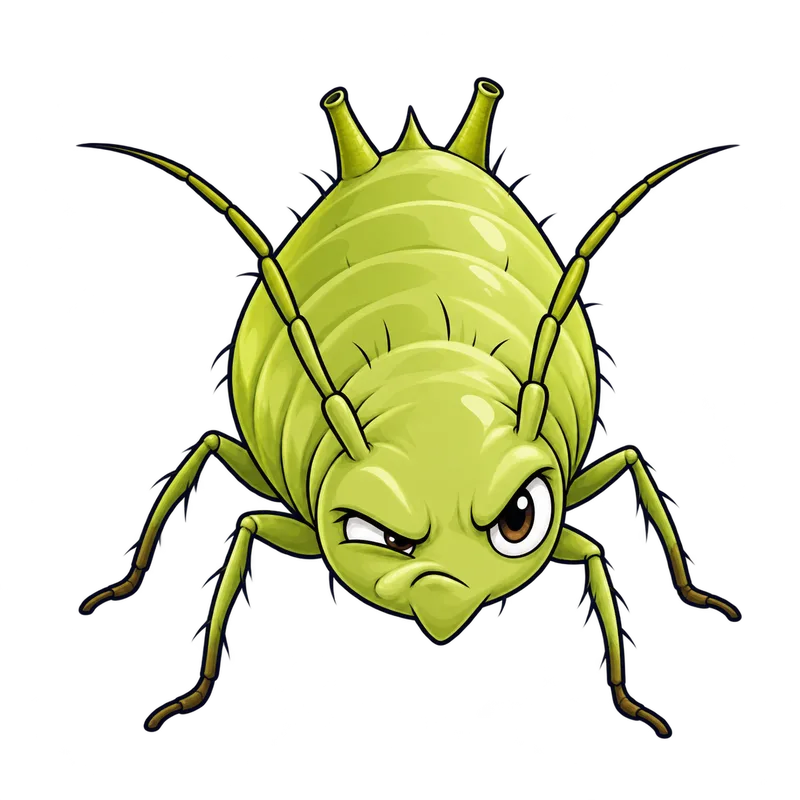
Those little green bugs on lettuce are usually soft-bodied aphids, which are small plant lice that gather in stationary clusters on the undersides of leaves. You might also be looking at a green cabbage looper caterpillar, a swift little leafhopper, or an early-stage nymph of a stink bug.
What is actually going on
You are standing at the kitchen sink, rinsing a colander full of freshly harvested butterhead lettuce from the garden. As the cold tap water splashes over the pale green leaves, you notice a few tiny specks floating away, while other microscopic critters cling stubbornly to the ruffled veins. Naturally, you wonder what those little green bugs actually are, and more importantly, whether you can still salvage tonight's salad.
Those tiny organisms hiding in your leafy greens are usually soft-bodied aphids, which are small plant lice that gather in stationary clusters on the undersides of leaves and around the growing heart of the plant. However, you might also be looking at something entirely different, such as a green cabbage looper caterpillar, a swift little leafhopper, or perhaps an early-stage nymph of a stink bug. Identifying them correctly matters because an insect that sucks plant juices requires a completely different approach than one that chews holes in the foliage.
Aphids are by far the most common culprits. They look like tiny, pear-shaped droplets of green paint clustered tightly together, and they spend their time piercing the plant tissue to feed on sap. As they feed, they excrete a clear, sticky liquid called honeydew, which can eventually attract a harmless but unsightly black sooty mold. If you spot a solitary green worm inching its way across the leaf like an accordion, you are dealing with a caterpillar rather than an aphid. Leafhoppers, on the other hand, are wedge-shaped insects that do not sit quietly, and they tend to spring off the leaf the instant your shadow falls over them.
How to tell for sure
Telling these garden visitors apart usually comes down to observing how they move and what kind of physical evidence they leave behind on your lettuce. You do not need an entomology degree to figure this out, just a keen eye and perhaps a simple pocket magnifying glass if you want to look closer.
If the bugs are stationary, soft-bodied, and huddled in groups without moving around much, they are usually aphids. A close look will often reveal two tiny tubes sticking out near their rear ends. If you notice irregular ragged holes chewed right through the leaf blades or the heart of the lettuce head, you are tracking a caterpillar, usually the cabbage looper. These caterpillars are pale green with thin white stripes along their backs, and they move with a characteristic looping motion, bringing their back legs up to meet their front legs before stretching forward again.
Leafhoppers give away their presence in a totally different way. These bright green, wedge-shaped adults will fly or jump the moment you disturb them. Their young ones, called nymphs, do not have wings yet and tend to scuttle sideways around the stem like miniature green crabs. When the lettuce leaves start puckering, curling downward, or taking on a bronze tint without any actual holes chewed through them, you are typically seeing the aftereffects of sap-sucking pests like aphids or leafhoppers injecting their saliva into the plant.
What usually comes next
As soon as you figure out what is crawling over your greens, your smartest first move is usually to wash them off rather than grab a chemical spray. If you are only looking at a light scattering of aphids or a single caterpillar on a head of lettuce you plan to chop up tonight, old-fashioned water works wonders.
Take the lettuce over to the sink and blast it under a firm stream of water, making sure to hit the undersides of the leaves where these creatures like to hide out. For bigger caterpillars, just pluck them off with your fingers and drop them into a bowl of soapy water. This quick physical cleanup solves the issue on the spot without putting any treatments on your food. When the problem has taken over a whole garden bed and hand-washing is no longer realistic, you have to decide whether to use a targeted biological spray or just trim off the damaged outer leaves, making sure you follow every word on the label about how long you must wait before eating what you grow.
When to get help
Most of the bugs you find on home vegetables are just an ordinary annoyance instead of a crisis, but a few scenarios mean you should bring in outside advice. If anyone in your house starts showing strange physical symptoms, bad skin irritation, an allergic reaction, or any suspected exposure to heavy garden chemicals, drop what you are doing and call a doctor or your local poison control center immediately.
For people running a farm or managing large market gardens, if you spot weird plant deformities, widespread wilting, or odd discoloration that does not look like typical bug damage, your best bet is to contact your local university extension office or agricultural department. They can figure out what is actually going on and help you rule out regulated plant diseases or invasive species that demand specialized local control.