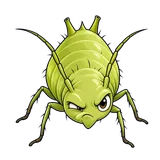
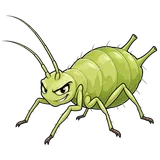
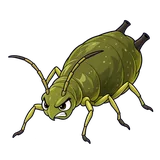
Aphids
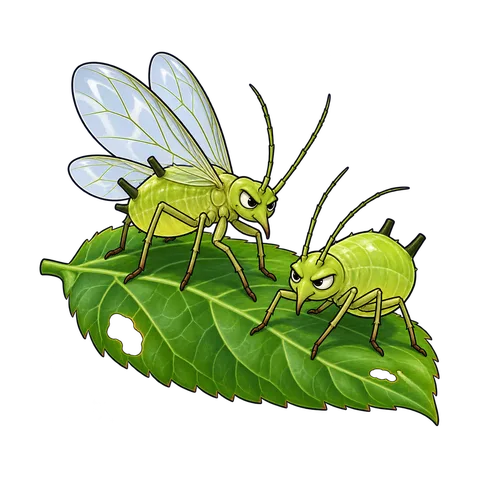
What pulls these soft-bodied insects into a single family is their peculiar habit of clustering tightly on tender plant shoots while steadily draining sap and excreting a sticky, sugary liquid called honeydew. Whether they are bright green on your prized tomato plants or dark clusters hiding under rose leaves, they share a plump, pear-shaped build and a maddening talent for multiplying without mating when the weather suits them. You will often notice the leaves glistening with their sticky waste or turning black with sooty mold long before you spot the insects themselves.
You can tell them apart from the usual suspects by checking how they move and what they leave behind on the foliage. If you brush a leaf and a white cloud of insects takes flight, you are looking at whiteflies rather than aphids, which tend to stay put and shuffle along sluggishly. If the leaves are covered in fine silk webbing or silvery scars with tiny black specks, blame spider mites or thrips instead of these slow-moving sap-suckers.