
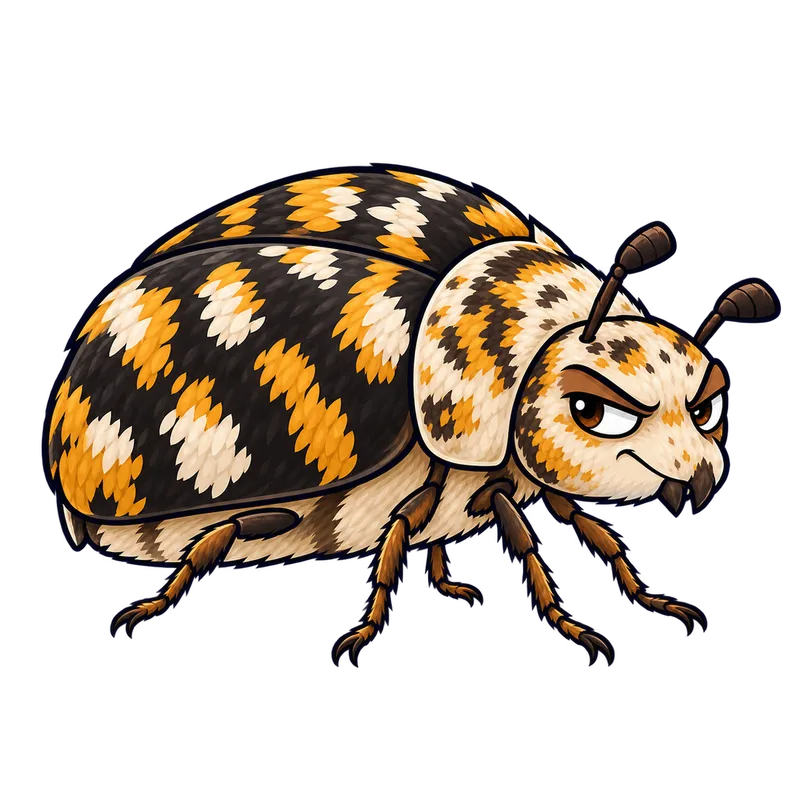
Furniture carpet beetle
Anthrenus flavipes
- Size
- Adult 1/8 inch (3 mm), larva 3/16 inch (5 mm)
- Color
- Dorsal yellow, white, and black scales; ventral solid white
- Habitat
- Upholstered furniture, carpets, bird nests, and wall voids
- Diet
- Larvae eat wool, fur, feathers, and animal padding
- Life cycle
- 149 to 422 days total development time
The furniture carpet beetle is a small creature that requires a close look to appreciate. At about one-eighth of an inch long for an adult, it easily fits on the head of a pin. Under a magnifying glass, the top surface shows a mottled mosaic of yellow, white, and black scales. Flip it over, and you will see an unbroken, solid layer of white scales across the entire underside.
Identity
Older beetles can throw off this identification scheme because their colorful scales rub off over time. A worn adult can end up looking like a plain, dark brown or black speck. The larvae are easier to spot when they reach maturity at about three-sixteenths of an inch. They look carrot-shaped, meaning they are broader near the head and taper toward the rear, with a dark red-to-brown coloring and stiff, bristly hairs sticking out along the segments.
Distinguishing this beetle from related species comes down to belly color and shape. The varied carpet beetle wears a pattern of grayish or yellowish scales on its underside rather than the pure white coat found on the furniture carpet beetle. The black carpet beetle grows larger and lacks scales entirely, showing a shiny black body with a long brushy tail of hairs on the larva. Meanwhile, clothes moths leave behind silken feeding tubes and webs, while carpet beetles never spin silk. If you find ruined fabric accompanied by tiny salt-grain-sized fecal pellets and empty, hairy cast skins with zero webbing, you are looking at the work of carpet beetles.
Habitat & behaviour
Outdoors, these beetles live tucked away in bird nests, rodent burrows, bee and wasp nests, and old spider webs. There, the larvae feed on feathers, hair, shed skins, and dead insects. Indoors, they find their way into woolen upholstered furniture, rugs, tapestries, closets, and floor cracks where lint accumulates.
The adults possess wings and fly well. In late spring and early summer, you will often find them clustered on windowsills indoors or feeding on flower pollen outdoors. This outdoor wandering is a seasonal rhythm tied to flowering plants. When mated females fly into structures or hitch a ride indoors on freshly cut garden flowers, they seek out dark, undisturbed places to lay up to one hundred eggs.
Larvae actively avoid light, which explains why you rarely see them wandering across an open rug in broad daylight. Instead, they squeeze into dark cracks, drawer interiors, and the deep padding of sofas and armchairs. In a centrally heated, climate-controlled home, this hidden feeding proceeds continuously year-round without a seasonal break. Total development for Anthrenus flavipes takes anywhere from 149 to 422 days depending on conditions.
Visual variations
This beetle grows up through a full four-stage shift, moving through egg, larval, pupal, and adult forms without any complex social structure.
The process starts with tiny, well-hidden eggs that females deposit either alone or in small, concealed batches. Those eggs hatch into the hungry larvae that do all the actual damage to fabrics and animal fibers. They resemble bristly, carrot-shaped crawlers that shed their skins multiple times as they expand, leaving behind hollow husks.
Once the larva finishes growing, it turns into a pupa right inside its final cast skin tucked away in a dark, quiet spot. The adult that eventually emerges bears no resemblance to the grub it used to be. It transforms from a hairy crawler into a small, rounded beetle with working wings and a patterned, scaly back.
Telling males and females apart visually is nearly impossible without a microscope to check their internal anatomy. Both sexes look pretty much identical to the naked eye, even though their lifestyle shifts completely from a fabric-chewing crawler to a flying, pollen-eating adult.
Why it matters
Larvae feed exclusively on natural animal proteins and fibers. They target wool, silk, hair, bristles, fur, feathers, leather, and traditional furniture stuffing like horsehair or feathers. Clean synthetic or plant-based materials like cotton and rayon usually escape damage unless they happen to be soiled with animal oils, sweat, milk, beer, or food stains.
Adult beetles do not touch your fabrics at all, living entirely on flower pollen once they reach maturity. Spotting adult beetles gathered on your windows in the spring usually signals that a population is breeding quietly in a hidden organic stash, such as accumulated pet hair under furniture or forgotten woolens in a back closet.
These pests do not bite or sting people, but they can still cause real misery. The shedding larval hairs and empty cast skins pile up inside furnishings and ductwork, triggering allergic reactions, skin rashes, or breathing trouble for sensitive individuals. Getting the identification right lets you know whether you are fighting carpet beetles or clothes moths, which tells you whether to hunt for hidden wool damage or look for silken webbing.
Similar species
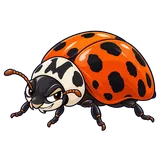 Multicolored Asian lady beetleHarmonia axyridis
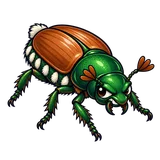 Japanese beetlePopillia japonica
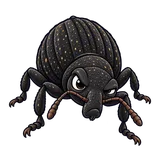 Black vine weevilOtiorhynchus sulcatus
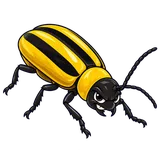 Striped cucumber beetleAcalymma vittatum
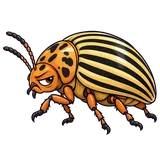 Colorado potato beetleLeptinotarsa decemlineata
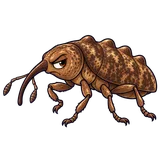 Plum curculioConotrachelus nenuphar