
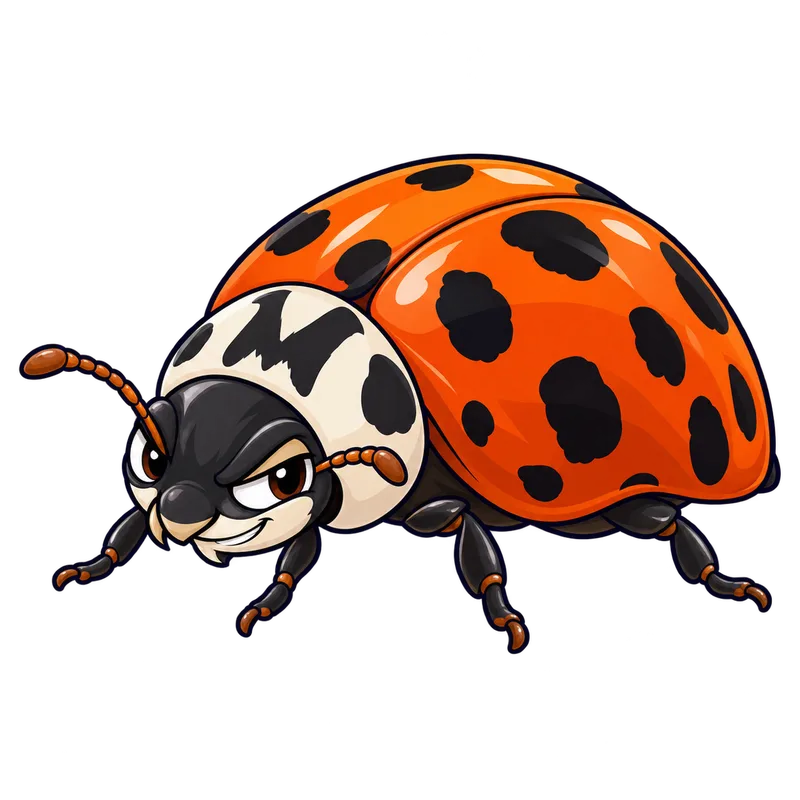
Multicolored Asian lady beetle
Harmonia axyridis
- Size
- 5.5 to 7.0 mm
- Color
- Yellow to orange to red with black spots
- Habitat
- Trees shrubs and buildings for overwintering
- Diet
- Aphids scale insects and other soft-bodied pests
- Life cycle
- Egg larval pupal and adult stages
You are looking at a compact, dome-shaped beetle with a distinctly convex upper shell and a flat underside. The head is tucked partially beneath a protective shield called the pronotum, which often bears pale markings. When you find one crawling on a wall, its hardened forewings meet in a clean straight line down the center of the back, entirely hiding the delicate flying wings underneath. Because size ranges vary within the group, you will want a 10x magnification lens if you are checking small specimens or trying to separate them from other tiny garden insects on foliage. They possess short antennae and 6 stubby legs that tuck tightly against the body when the insect is disturbed.
Habitat & behaviour
During the warmer months, these insects occupy crop canopies, fruit orchards, ornamental trees, and shrubs where soft-bodied prey is abundant. They are voracious generalist predators, feeding heavily on aphids, mealybugs, scale insects, spider mites, and leafhoppers. If you see them in your garden during summer, they are working as natural biological control agents. The real shift happens when the weather turns crisp in autumn. As ambient temperatures drop, the beetles experience a behavioral trigger that sends them seeking protected overwintering sites. They fly toward sunlit exterior walls of buildings, aggregating in massive numbers and exploiting tiny construction gaps, unsealed siding, missing door sweeps, and unscreened attic vents to slip indoors and settle into wall voids for the winter.
Visual variations
These beetles live solitary lives rather than building colonies, meaning you will never stumble upon a queen, a soldier, or a worker caste. Their development follows a strict complete metamorphosis, taking them through egg, larval, pupal, and adult stages before they reach their final form. The immature larvae look nothing like the adults you see indoors, preferring instead to wander plant foliage as spiny, alligator-like crawlers hunting for soft-bodied meals. That familiar domed shell belongs entirely to the adult stage, though the exact color and spot count can vary wildly from one specimen to the next. Those colorful outer wing covers keep the delicate flying wings safely tucked away until the beetle decides it is time for a seasonal migration or a quick afternoon flight.
Why it matters
Finding a crowd of them inside your living room when the weather turns cold is mostly a structural nuisance, since they do not gnaw on wood, eat your pantry staples, or carry diseases, and they will not poison your pets. Their autumn habit of slipping behind siding and squeezing into wall voids by the thousands is what sends homeowners reaching for the vacuum cleaner, though you will want to empty that bag outside right away. If you plan to use exterior chemical treatments to keep them from crossing the threshold, you need to apply them during the first week of October, because spraying inside once they are already tucked into the walls will not accomplish much. Gardeners often think they can buy commercial releases of these predators to clear out yard pests, but the insects usually just scatter to the winds instead of staying in your garden to do the work.
Similar species
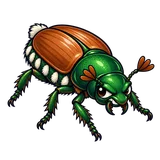 Japanese beetlePopillia japonica
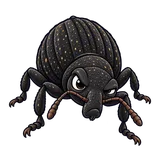 Black vine weevilOtiorhynchus sulcatus
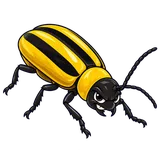 Striped cucumber beetleAcalymma vittatum
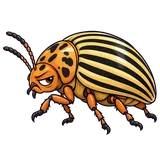 Colorado potato beetleLeptinotarsa decemlineata
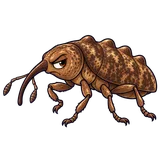 Plum curculioConotrachelus nenuphar
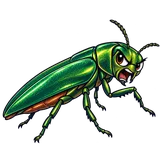 Emerald ash borerAgrilus planipennis