Cat flea
Ctenocephalides felis
- Size
- Generally less than 4 mm long
- Color
- Brownish colour
- Habitat
- Indoor environments with companion animals and floor crevices
- Diet
- Host blood for adults, organic debris and flea dirt for larvae
- Life cycle
- Egg, larva, pupa, and adult completing complete metamorphosis
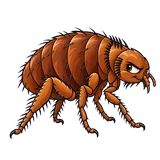
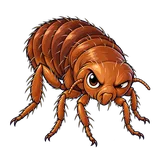
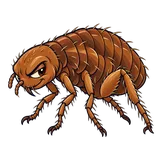
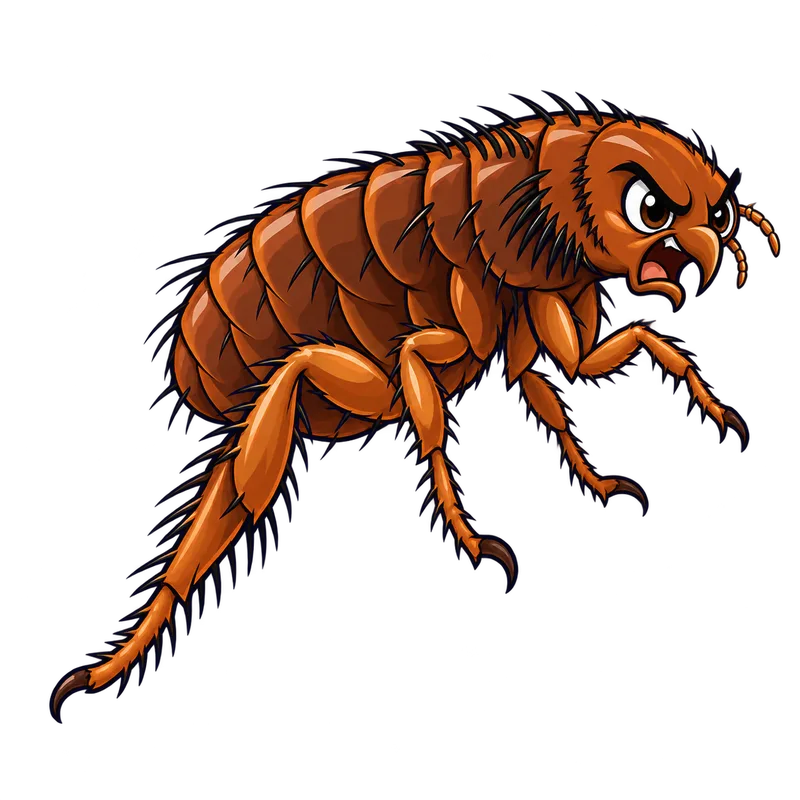
You are probably dealing with the cat flea when you spot tiny, dark insects launching themselves off your living room rug. At less than 4 mm long, they are distinctly smaller than a grain of rice, which can make them hard to spot until they move. They are wingless, possess a glossy brownish color, and are flattened side-to-side like a tiny, tall coin. That narrow profile lets them slip effortlessly through the dense fur of a cat or dog.
Identity
You do not need a microscope to notice their most famous feature: their jumping ability. Their third pair of legs is heavily developed, elongated, and muscular, allowing them to leap almost 30 cm between hosts or up from the carpet toward passing ankles. If you manage to look closer with a magnifying glass, you will see backward-pointing bristles and combs along their bodies that help anchor them in place as they navigate hair and fibers.
Habitat & behaviour
Cat fleas divide their time between living directly on warm-blooded hosts like domestic cats and dogs, and hiding out in the places those animals rest. While adults feed on blood to survive and reproduce, the immature stages live entirely off the animal in carpets, rugs, furniture upholstery, pet bedding, and floor cracks.
Because indoor climate control keeps homes comfortable year-round, these fleas can reproduce continuously without paying attention to the seasons. You might notice a sudden surge in activity after returning to a home that has sat vacant for weeks or months. That is because the pupae inside their cocoons can stay dormant for up to 1 year, waiting for specific environmental cues. When vibrations, physical movement, and body heat signal that a host has arrived, the adult fleas emerge all at once, leading to an unexpected influx.
Visual variations
Cat fleas never grow wings, so you are never going to watch one take flight across the room. The life cycle moves through four distinct stages: egg, larva, pupa, and adult. The tiny, smooth eggs are laid right on your pet, but because they are not glued in place, they simply tumble off into the carpet or bedding within moments.
The worm-like larvae that hatch from those eggs look entirely different from their parents and prefer to stay out of the light while crawling through floor dust. They do not bite people or animals, choosing instead to feed on organic debris and the dried blood waste left behind by adult fleas, which you might know as flea dirt. When a larva finishes growing, it spins a sticky silken cocoon that instantly collects household dust and debris, effectively camouflaging itself against your floors.
Both male and female adults share that same brownish, flattened shape and need a steady diet of blood. Female fleas reach peak fertility when they feed on cats in particular, which helps explain why feline hosts frequently suffer from much heavier populations. These insects are completely solitary by nature, meaning you will not find any kind of social structure, workers, or soldiers among them.
Why it matters
Dealing with these pests means your pets face constant irritation and skin trouble, while family members usually end up with itchy red bites. Because the insects launch themselves upward from the floor, those bites on humans almost always show up on the lower legs between the ankles and knees, turning into small raised bumps within 30 minutes. Cat fleas can also carry the dog and cat tapeworm, creating a risk if young children accidentally swallow an infected flea while playing on the floor.
Figuring out exactly what you are looking at matters before you do anything else, and that is where look-alikes tend to cause confusion. People often mix them up with common bed bugs, but bed bugs grow larger at 5 to 7 mm, are flattened from top to bottom like apple seeds, and can only crawl instead of jump. You might occasionally run into the stickfast flea, which features a sharply angled head and stays permanently anchored to one spot on an animal rather than moving around like the cat flea. You might also spot insects like German cockroach nymphs or carpet beetle larvae crawling about, but cockroaches have long tail appendages and run fast without jumping, while carpet beetle larvae are fuzzy little crawlers that eat fabrics instead of blood.