
What does a cat flea look like on a pet?
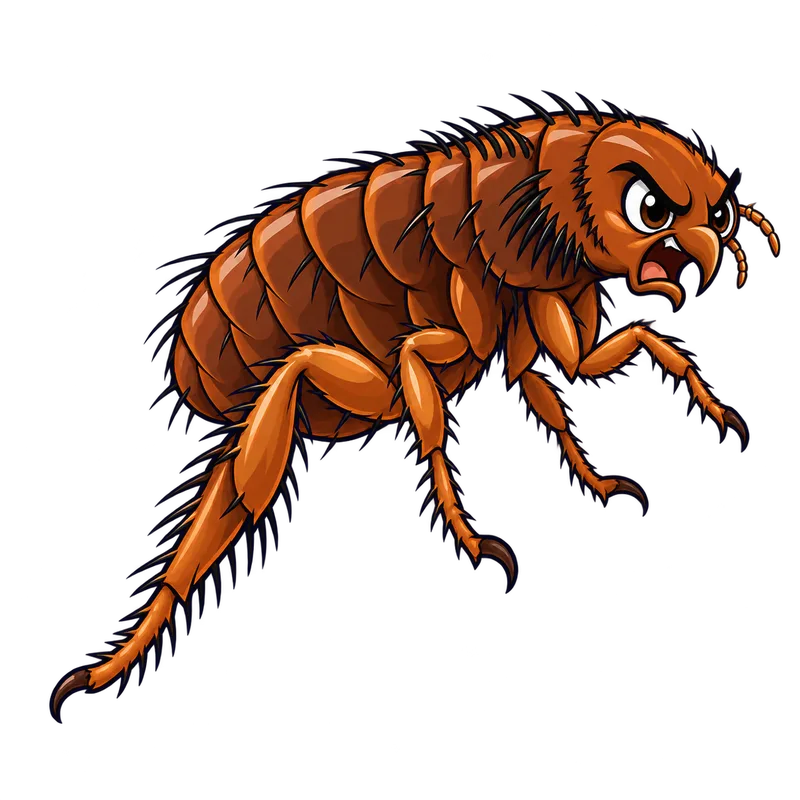
On a pet, an adult cat flea appears as a small, wingless, brownish insect measuring less than 4 millimeters in length. Its body is compressed side to side, much like a coin standing on its thin edge. The exact appearance can vary depending on the thickness of the pet coat.
What is actually going on
Picture this. You are sitting on the couch watching television, and your cat or dog wanders over for a scratch behind the ears. You reach down to oblige, but instead of finding soft fur, you notice a tiny, frantic creature sprinting across the skin like a miniature acrobat through tall grass. You instinctively try to grab it, but the speck vanishes in a single, impossible bound, leaving you wondering if you just imagined the whole thing.
On a pet, an adult cat flea appears as a small, wingless, brownish insect measuring less than 4 millimeters in length. Its body is compressed side to side, much like a coin standing on its thin edge. This narrow shape is an anatomical masterpiece, allowing the insect to slip effortlessly through dense layers of fur instead of getting tangled up in the hairs.
Along with that streamlined frame, these parasites possess oversized, powerful hind legs. If you scaled a flea up to human size, its ability to leap nearly 30 centimeters vertically would be like a person jumping over a 50-story skyscraper in a single effort. That explosive hop is how they move between hosts or launch themselves onto your pet in the first place.
How to tell for sure
Spotting a live flea is usually the first clue, but it is rarely the whole story. When you inspect an infested pet, you usually look for three distinct physical indicators on or around the animal, and the answer can vary depending on the thickness of the coat.
First, look for live adult fleas darting through the fur. They usually concentrate around warm, protected areas like the tail head, the lower back, the groin, and the neck. If your pet has thick or dark fur, parting the hair against the grain under a bright light helps you catch them before they scurry out of view.
Second, watch for flea dirt, which looks like tiny black pepper specks or comma-shaped flakes lodged in the coat or resting in pet bedding. This is actually excreted, partially digested blood that adult fleas drop to nourish their young. To confirm what you are looking at, try the wet paper towel test. Place a few of those dark specks onto a damp white paper towel and press down. If the specks dissolve into a rust-colored halo within a minute, you are looking at dried blood from fleas, not ordinary household dust.
Third, you might notice tiny, translucent, pearl-like eggs. Adult females lay them directly on the fur, but because the eggs are non-adhesive, they usually roll off into carpets, upholstered furniture, and floor cracks.
You might wonder if these bugs could be bed bugs instead. That is a common mix-up, but bed bugs are larger, flatter from top to bottom like an apple seed, and they only crawl, whereas fleas jump. Furthermore, some cats groom themselves so meticulously that you may never see a live flea in their fur at all. In those cases, finding flea dirt or discovering tiny tapeworm segments near the base of the tail is usually how the secret gets out.
What usually comes next
Once you confirm the presence of fleas, you have to make a practical decision about how to tackle them, and the most important choice is remembering that treating the animal alone is rarely enough. Adult fleas living on your pet usually represent only a tiny fraction of the total infestation. The rest of the population is hiding out in your home as eggs, larvae, and sticky pupal cocoons that blend into carpets and floorboards like dust-coated lint.
Your immediate priority is twofold. You need to coordinate with a veterinarian to find a safe on-animal treatment for your pet, while simultaneously starting a strict environmental cleaning routine. That means running a vacuum daily across carpets, rugs, and baseboards, and immediately sealing and throwing away the vacuum contents so the pests cannot crawl back out. Wash all pet bedding in hot water and dry it on high heat to break the life cycle.
Be cautious with chemical choices. Never apply dog-specific flea products or treatments containing permethrin or concentrated synthetic pyrethroids to a cat, as these substances can be extremely toxic and potentially fatal to felines. Always read product labels carefully and rely on professional guidance for any chemical applications.
When to get help
There are moments when a home remedy or a standard pet store shampoo will not cut it, and you need to bring in outside expertise. If your pet shows signs of severe skin distress, persistent scratching that leads to open wounds, or lethargy, take them to a licensed veterinarian right away. Any prescription medication, dip, or spot-on treatment should always be evaluated and approved by your vet to keep your animal safe from adverse reactions or accidental poisoning.
For the human side of things, if you or a family member experience severe allergic reactions, widespread hives, or secondary skin infections from scratching bite sites, reach out to a clinician or an urgent care clinic for guidance.
If you are dealing with a heavy structural infestation, a vacant home that has suddenly become overrun with hungry emerging fleas, or a complex multi-room problem, a licensed pest control operator can apply targeted treatments safely. Professional oversight ensures that the job gets done correctly without exposing your family or your pets to unnecessary risks.