
How do cat fleas move between a pet and its bedding?
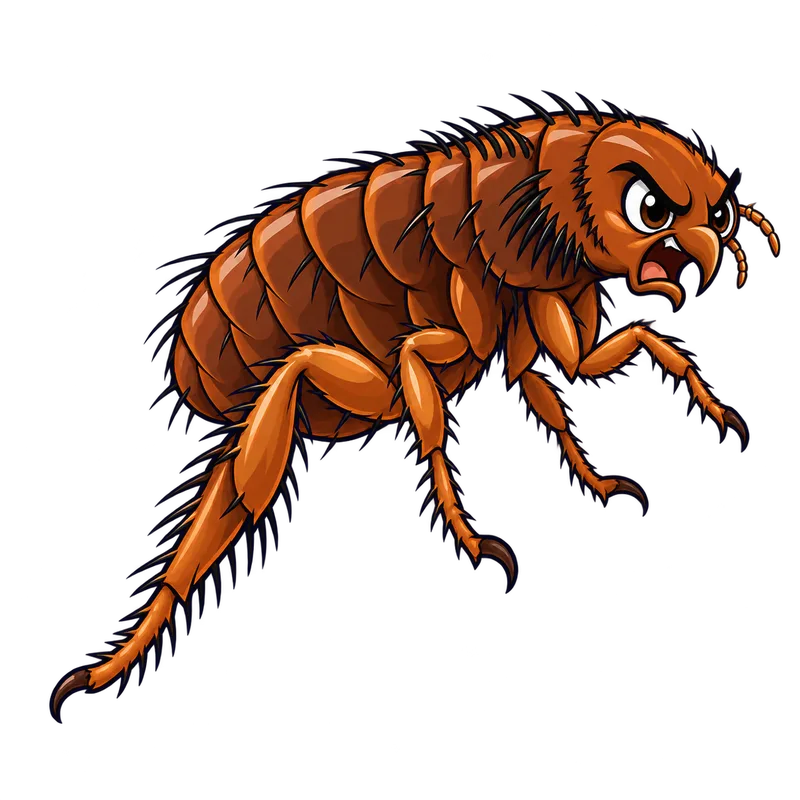
Adult cat fleas do not actually move back and forth between a pet and its bedding. Once an adult flea finds a furry host, it stays there and feeds. The movement happens when female fleas lay smooth eggs that roll off the fur and drop directly into the bedding, where the next generation later leaps back onto a passing host.
What is actually going on
Picture coming home after a long week away, tossing your bags on the floor, and walking into the living room. Within minutes, you notice tiny, itchy red welts blooming around your ankles, even though your cat has been sleeping peacefully across the room. You might assume the carpet is suddenly crawling with bugs, but the real traffic pattern between a pet and its bedding is a bit more one-way than most people think.
Adult cat fleas do not pack their bags and commute back and forth between your dog and the living room rug. Once an adult flea finds a warm, furry host, it settles in for the long haul. It stays right there on the skin and hair coat, feeding on blood. The movement happens through the next generation instead. As your cat moves around, female fleas lay smooth, non-adhesive eggs that act just like tiny grains of salt spilling out of a moving shaker. They roll right off the fur and drop straight down into the pet bed, blankets, or carpet fibers below.
Those eggs hatch into worm-like larvae that do not bite pets at all. Instead, they munch on organic dust and adult flea excrement, which is dried host blood that also fell out of the fur. Once they grow large enough, they spin sticky cocoons that trap household dust and debris, hiding safely out of sight.
Inside those cocoons, the pupae wait like little biological alarm clocks. They do not need to wander around looking for food because they are saving their energy for the final leap. When they sense the physical vibrations of footsteps on the floor or feel the warmth radiating from a passing pet or human ankle, they pop right out of their cocoons. Equipped with remarkably powerful hind legs, these newly emerged adults launch themselves up through the air, landing directly on their target.
How to tell for sure
Spotting the culprits usually requires looking closer at where your pet spends its time, since the insects themselves are tiny, brownish, wingless jumpers under four millimeters long. If you pull back the cushions of the cat bed or look deep into the fibers of a favorite rug, you will usually find small black specks that look like ordinary ground-in dirt.
To confirm whether that debris is actually flea waste, try a simple home test. Place a few of those dark specks onto a wet white paper towel. If the specks slowly dissolve and bleed a reddish-brown color, you are looking at dried blood from digested pet meals rather than garden soil.
If you happen to use a magnifying glass, you can usually spot their compressed, sideways-flattened bodies and comb-like spines. That sideways compression is what lets them slip through a dense coat of pet hair without getting stuck. When you disturb them in the bedding, they usually vanish in a fraction of a second by jumping rather than crawling.
What usually comes next
When you realize what is happening in the pet bedding, the most practical decision is to tackle the environment and the host at the exact same time. Treating only the animal while leaving the bedding alone means you are just feeding a fresh batch of future jumpers, while treating the room without dealing with the living reservoir on the pet guarantees the cycle will start over tomorrow.
Launder all pet bedding, blankets, and nearby washable covers weekly in hot water and run them through a high-heat drying cycle to destroy any hidden eggs or larvae. Follow that up with thorough vacuuming of carpets, baseboards, and furniture cracks where pet hair collects.
Crucially, you must immediately seal the vacuum cleaner bag or canister contents inside a plastic bag and take it straight to an outdoor trash bin. Fleas and protected pupae can easily survive being sucked into a vacuum and crawl right back out through the hose. For treating the pets themselves, all animals in the household need simultaneous care under veterinary guidance, because leaving even one cat or dog untreated turns that animal into a breeding ground that re-infects the whole house.
When to get help
Some situations call for professional backing rather than a weekend of extra laundry and vacuuming. If you notice severe skin reactions, widespread hives, or secondary infections from scratching those ankle bites, you should schedule a visit with a clinician or healthcare provider.
For the pets, never guess at treatments or apply dog products to a cat. Spot-on treatments or oral medications for animals must be evaluated and authorized by a licensed veterinarian. Certain common dog treatments contain synthetic pyrethroids like permethrin, which can be rapidly fatal to cats even in small amounts.
When an indoor infestation feels completely overwhelming, or if it involves tricky structural spaces like crawl spaces, subfloors, or vacant properties with massive hidden populations, reach out to a licensed pest control operator. They have the training to handle targeted treatments safely without risking non-target wildlife or household pets.