
Why can flea pupae lead to new adults after a home is cleaned?
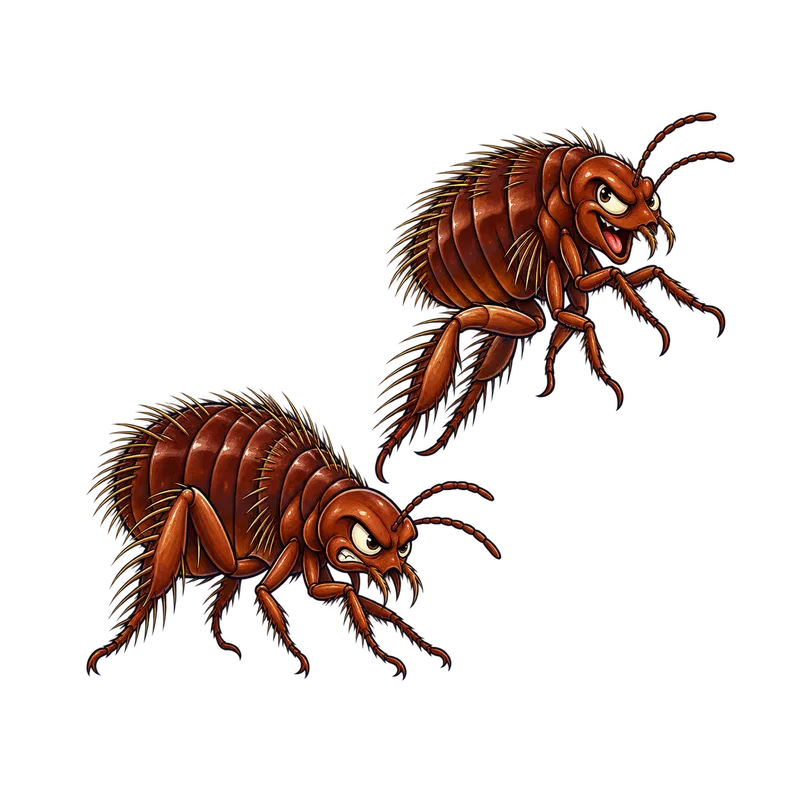
Flea pupae can lead to new adults after a home is cleaned because the physical vibrations and body heat from your cleaning activity act like an alarm clock, causing them to hatch. Their tough silken cocoons protect them from sprays and vacuum suction, allowing them to wait quietly for weeks or months inside the rug pile.
What is actually going on
You spent Saturday wrestling the vacuum across every inch of the living room, hauling out the sofa cushions, and scrubbing the cat beds until your arms ached. Yet by Monday morning, you walk across the rug and notice new bites on your ankles. It feels entirely backwards. You just cleaned the place from top to bottom, so why are there more adult fleas than before?
The short answer is that the cleaning process did not fail you, but it did act as an unintentional wake-up call. Fleas do not just live as hopping adults on your pets. They go through a complete life cycle, and the stage right before adulthood is a pupa tucked inside a tough, sticky silken cocoon. That cocoon acts like a tiny armored shelter, rolled in dust, pet dander, and carpet fibers. Liquid sprays roll right off it, and vacuum suction often fails to dislodge it from deep down in the rug pile.
Inside those camouflaged little pods, fully formed adult fleas can sit quietly for weeks or even months, waiting for the right moment to break out. When you walk across the floor, move furniture, or push a heavy vacuum cleaner, you send physical vibrations through the ground. Your body heat adds a subtle change to the surrounding air, and shadows shift overhead. To a waiting flea, those sensations act like an alarm clock ringing to announce that a host is nearby. The cleaning activity forces them to hatch en masse, which is why a newly cleaned room can suddenly seem to swarm with fresh adults.
How to tell for sure
If you are seeing a sudden surge of small, dark jumping insects right after tidying up a room, you are usually dealing with the final wave of a pre-existing infestation rather than a brand new invasion. Cat fleas are typically the culprits in homes with dogs or cats.
You can usually tell these aren't stray bugs that just flew in through an open window because of where you find them and how they behave. They usually cluster in low traffic areas, pet sleeping zones, and right along the baseboards where carpets meet the wall. If you spot them clinging stubbornly to socks or ankles immediately after someone walks across a rug, that timing points straight to the physical vibrations of foot traffic triggering dormant pupae to emerge.
Keep in mind that vacuuming alone will not solve the mystery if you check the canister and find tiny black specks mixed with the dust. Those specks are flea dirt, which is actually digested blood dropped by feeding adults, and it serves as the primary food source for the legless larvae that came before the pupae. Finding that debris means the lifecycle has been running its course in your floors for a while.
What usually comes next
Your main practical decision now is how to handle the days following your cleanup without losing your mind. Since standard sprays generally fail to soak through those sticky pupal cocoons, you simply have to wait out the remaining hatchlings. This stretch usually runs anywhere from one to three weeks, during which you will probably spot a few stubborn adults trying their luck.
Do not throw your hands up and abandon the vacuum just because new bugs show up after your hard work. Keep rolling that machine across the floors every few days instead. That physical shaking is actually working in your favor now, forcing the remaining hidden pods to open and push those fresh adults onto treated surfaces where they can meet their end.
Whenever you finish pushing the vacuum around, take the bin or bag straight out to the exterior trash. Dump the contents into a sealed plastic sack and shut the lid on your outdoor bin. Leaving that debris sitting in an indoor kitchen container just gives the survivors a clear path to hop right back onto your rugs. Meanwhile, check in with your veterinarian to make sure every cat and dog in the house is on a steady, vet-approved preventative. Treating the floors while letting your pets run around unprotected means the whole frustrating cycle starts over tomorrow.
When to get help
There are moments when a thorough house cleaning and basic store-bought sprays are simply not enough to break the loop. If you have kept up with the vacuuming and treated your pets, but you are still swatting at biting insects after a full month, it is usually time to hand the job over to a licensed pest management professional.
You should also look for expert backup if the problem involves shared apartment walls, tricky crawl spaces beneath the floor, or shady dirt patches outside where pets like to nap. Those spots act as hidden breeding grounds that keep sending fresh waves of bugs right back inside your home.
On the health side, keep an eye out for severe physical reactions to the bites. While everyday flea bites usually just cause mild itching on the shins, some people break out in intense allergic welts or get skin infections from scratching too much. If you or someone in your family develops heavy swelling, unusual illness, or signs of an infected scratch, talk to a clinician right away. For any accidental chemical spills, misapplications, or questions about mixing treatments, call your local poison control center without delay.