
How do you tell whether fleas or ticks are the problem in a yard?
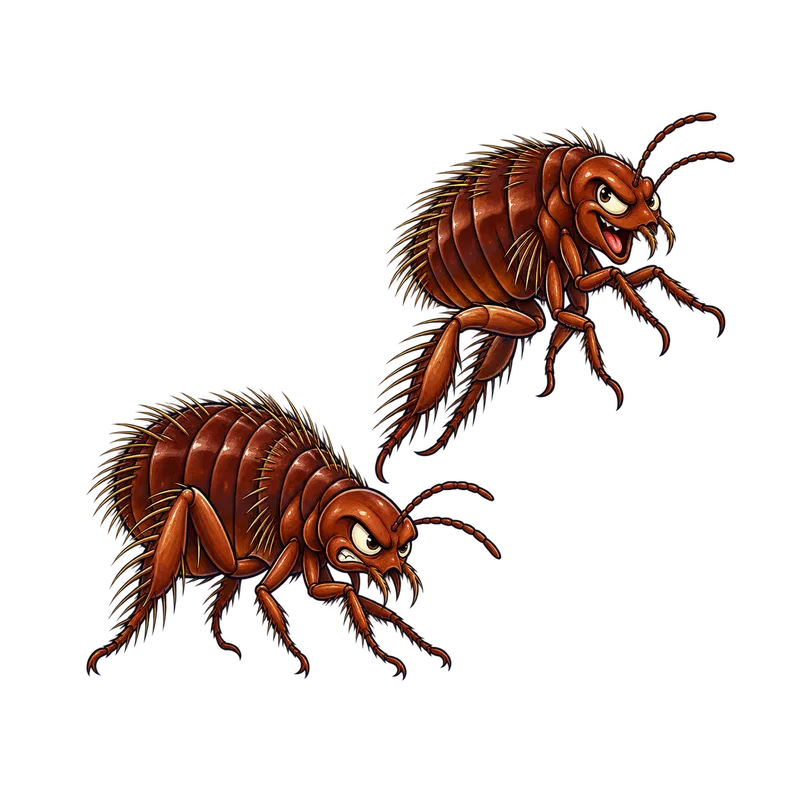
To tell whether fleas or ticks are the problem in a yard, you can catch a specimen and look at its legs and body shape, or test the yard directly using white socks or a flannel drag. Fleas are insects with six legs and bodies flattened sideways, while ticks have six or eight legs and bodies flattened top to bottom.
What is actually going on
You walk out onto the back lawn to grab the garden hose, and later that evening your lower shins start driving you crazy with tiny, frantic itches. Right away you start wondering whether the yard has picked up fleas from the neighborhood cats or ticks dropped by the local deer. It is a reasonable puzzle because both pests leave you reaching for the anti-itch cream, but they belong to entirely different worlds and act in completely opposite ways.
The easiest way to think about the difference is to picture a high-jumping athlete versus a slow, patient mountaineer. Fleas are insects built like miniature springs. They wait in the soil or under shaded porch steps, and when they sense the vibration of a passing foot or body heat, they leap straight up onto your lower legs. Ticks are arachnids that cannot jump or fly at all. Instead, they climb up onto the tips of grass blades or brush along the edge of the yard and wait with their front legs outstretched, hoping to hitch a ride on anything brushing past.
Once you understand how they move, you realize they want very different parts of your yard. Fleas need shade, high humidity, and organic debris mixed with dried blood droppings left behind by an animal. Ticks dry out and die under a blazing sun, so they hang out where mowed grass meets overgrown woods, tall brush, or damp leaf litter. If you are getting bitten while weeding the flower beds near a brick wall, you might be dealing with one, whereas a stroll through high brush points toward the other.
How to tell for sure
Do not try to guess the culprit by the bite mark alone, because human skin reacts to both pests in frustratingly similar ways. Instead, catch a specimen and look at it. You do not need a laboratory for this, though a simple magnifying glass or even the zoom on your phone can usually help.
Look at the legs and the body shape first. Fleas have six legs, and their bodies are flattened sideways, making them look thin like a knife blade so they can slip easily through animal fur. Ticks either have six legs if they are tiny larvae or eight legs if they are nymphs and adults, and their bodies are flattened top to bottom like a tiny flat disc.
You can also test the yard directly. For fleas, try the white sock test by pulling bright white, high-top cotton socks over your pant legs and walking slowly through shaded pet resting spots or under the deck. Fleas will leap onto the white fabric, where the dark insects stand out clearly. For ticks, use a flannel drag by pulling a white cloth over low vegetation and brush, then stopping every minute or two to check the fabric for crawling specimens. Ticks usually cling tightly to the rough cloth.
What usually comes next
Once you manage to trap a specimen in a sealed vial or stick it to clear tape, you have to decide what to do with the landscape. Yard treatments tend to work best when you target the exact microclimate where the pest lives rather than blanketing the entire property with spray.
If fleas turn out to be the issue, your main job is to focus on shaded animal resting zones, dog houses, and dirt patches under shrubs where pets lounge. Cleaning up organic debris and restricting pet access to those spots usually interrupts their cycle. If ticks are your main visitor, focus your attention on the perimeter where your grass meets woods or tall weeds. Clearing out leaf litter and creating a three-foot barrier of woodchips or gravel between your lawn and the brush creates a dry zone that crawling ticks prefer not to cross.
Mowing the grass short and trimming low tree branches also lets more sunlight hit the soil, which dries out the moisture both pests need to survive. Remember that product labels are strict legal instructions. If you decide to apply a registered yard spray or granular treatment along the perimeter, follow the label directions precisely without guessing at custom mixtures.
When to get help
Most yard pest problems respond well to basic cultural changes and habitat cleanup, but certain situations call for outside help. If you find ticks attached to family members and notice an expanding bullseye rash, high fever, severe fatigue, or stiff joints over the following weeks, contact a healthcare provider immediately for an evaluation. Bites from certain ticks can also trigger severe allergic reactions to mammalian meat or cause tick paralysis, which requires urgent medical care.
When pests move indoors or infest structural spaces like wall voids, attics, or crawl spaces, do-it-yourself yard sprays will not solve the source. Wild animals like rodents or nesting birds often harbor these pests, and because many wildlife species are legally protected, you cannot simply trap or remove them on your own. In those cases, bring in a licensed pest control operator and a professional wildlife removal specialist to handle the property safely and legally.