
How do you treat fleas in a house?
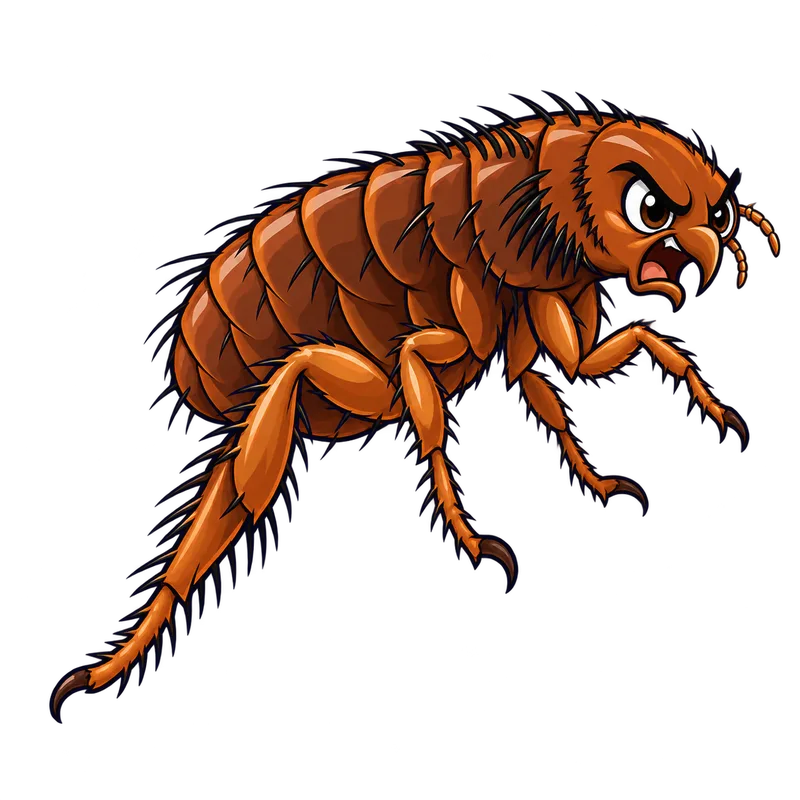
Treating fleas in a house requires combining veterinary-approved treatments for every pet, intense mechanical cleaning, and environmental sprays with insect growth regulators. You must treat the animals and clean the floors at the exact same time. Expect to keep seeing a few live fleas for two to four weeks after your initial treatment.
What is actually going on
You walk across the living room rug in your bare feet, and a second later, you notice a tiny, dark speck hitching a ride on your ankle before it launches itself into thin air with startling agility. If your cat or dog has been scratching more than usual lately, you are likely dealing with a full-scale home flea invasion. It is easy to assume that a quick spray of household insecticide will solve the problem by tomorrow morning, but treating fleas in a house takes a lot more than a single can of bug killer.
The reason a simple spray rarely works on its own comes down to how these insects live. While adult fleas spend most of their time riding around on your pets, they do not lay their eggs on the animal. Instead, thousands of smooth, tiny eggs fall off your pet fur like salt grains, rolling deep into carpet fibers, floor cracks, and the cushions of your favorite sofa. Those eggs hatch into worm-like larvae that feed on dust and dried adult flea blood, and they eventually spin tough, sticky cocoons that are remarkably resistant to standard cleaning chemicals.
Eradicating them requires hitting every stage of the life cycle at the exact same time. If you treat your pets but ignore the carpets, the unhatched generation in the floorboards will simply jump onto your animals next week. If you spray the floors but forget to treat the pets, the adults riding on your dog will keep laying fresh batches of eggs every single day. You have to combine veterinary-approved host treatments, intense mechanical cleaning, and environmental sprays with insect growth regulators to truly break the cycle.
Flea infestations persist because the biological development is split between the host animal and the surrounding structure. Adult fleas feed and mate on the pet, but the female drops unattached eggs that accumulate wherever the animal rests. These eggs hatch into larvae that hide in dark, humid microhabitats like carpet bases or floor cracks, feeding on organic debris and adult flea frass, which is dried blood excreted by the adults.
Once the larvae mature, they spin silken cocoons coated with ambient dust and debris. This pupal stage acts like a protective armor. Inside this cocoon, the developing flea can wait for weeks or even months. It will not emerge as an adult until it receives specific environmental triggers such as physical vibration, ambient heat, or a shift in carbon dioxide levels caused by a passing host. This is why a home can suddenly seem overrun with biting fleas the moment someone walks into a room that has sat vacant for a while.
How to tell for sure
Before you start dragging furniture across the room and spraying chemical barriers, you want to make sure you are actually fighting fleas and not something else. Adult cat fleas, which are usually the culprits behind indoor infestations, are tiny, brownish, wingless insects measuring under 4 mm long. Their bodies are flattened sideways, making it easy for them to dart through thick pet fur, and they are equipped with oversized back legs that let them jump astonishing vertical and horizontal distances.
Inspect where your pets sleep to confirm the presence of an infestation. A pet bed or favorite rug might display what looks like ordinary table salt and ground pepper. The white specks are flea eggs, and the dark specks are adult waste known as flea dirt. Dabbing that dark debris with a wet paper towel usually dissolves it into a reddish-brown stain because it consists of digested blood.
Do not rely on your own skin to identify the pest. It is tempting to look at itchy red welts on your lower legs and assume they pinpoint the enemy, but human reactions to insect bites vary wildly. Some people break out in severe hives from a single bite, while others show no reaction at all. Skin marks cannot tell you which species bit you, so finding a physical specimen or spotting the characteristic salt and pepper debris in pet zones is the only reliable way to know what is happening.
What usually comes next
Once you confirm the problem, your first real decision is whether you want to tackle a multi-week sanitation and treatment protocol yourself or hand the job over to a professional pest manager. If you decide to handle it, you have to commit to a strict sequence. You cannot skip the vacuuming, and you cannot use home-brewed remedies on your pets. Every domestic dog and cat in the house needs to be treated simultaneously using a product directed by your veterinarian, or the animals will just act as a safe harbor for the next generation.
Next comes the physical cleanup. You need to vacuum every inch of carpet, area rug, hardwood gap, tile crevice, and upholstered chair, paying special attention to the dark corners under furniture where pets like to nap. Here is where many homeowners make a costly mistake: they assume the vacuum bag kills everything inside. Standard vacuum suction captures fleas and debris, but it does not destroy them, meaning an unsealed vacuum container left in a warm closet is basically an open exit door. You must immediately empty the canister into a sealed plastic bag and throw it out in an outdoor trash bin, or freeze the bag to prevent the insects from crawling right back out into your living space.
After mechanical cleaning, you generally apply a registered indoor spray that combines an adulticide to kill active biters with an insect growth regulator. That second ingredient is crucial because it stops juvenile fleas from maturing into reproductive adults. Keep in mind that you will usually keep seeing a few live fleas for 2 to 4 weeks after your initial treatment. This happens because the pupal stage can stay dormant inside its debris-coated cocoon for months, only hatching when it feels the heat, vibrations, and carbon dioxide of a walking human or pet. Ongoing vacuuming is the only way to trigger those stubborn pupae so the residual spray can finish them off.
When to get help
There are moments when a DIY approach is not enough and you need to bring in outside help. If your infestation involves widespread subfloor areas, crawl spaces, or a multi-unit housing complex where pests travel easily between neighboring walls, a licensed professional pest manager should step in. You should also call in experts if your house has hidden rodent or feral animal access in the attic or subfloor, because rodent fleas will continually reinfect your living space until the underlying animal problem is solved.
Health concerns also dictate when to seek outside assistance. Cat fleas can act as intermediate hosts for tapeworms, and young children playing closely on contaminated carpets can accidentally ingest an infected flea and develop an intestinal tapeworm infection. Furthermore, rodent fleas can occasionally vector serious bacterial pathogens. If anyone in the home develops severe symptoms, unusual rashes, or signs of a secondary bacterial skin infection from scratching bite sites, consult a clinician immediately.
If you choose to use chemical treatments yourself, read and follow every instruction on the product label. Handling concentrated insecticides requires strict adherence to safety rules, including wearing long pants, long sleeves, chemical-resistant gloves, and eye protection. If you ever feel unsure about which products are safe for your specific situation, consult a professional applicator or your local regulatory agency rather than guessing.