
How do you reduce fleas in a yard?
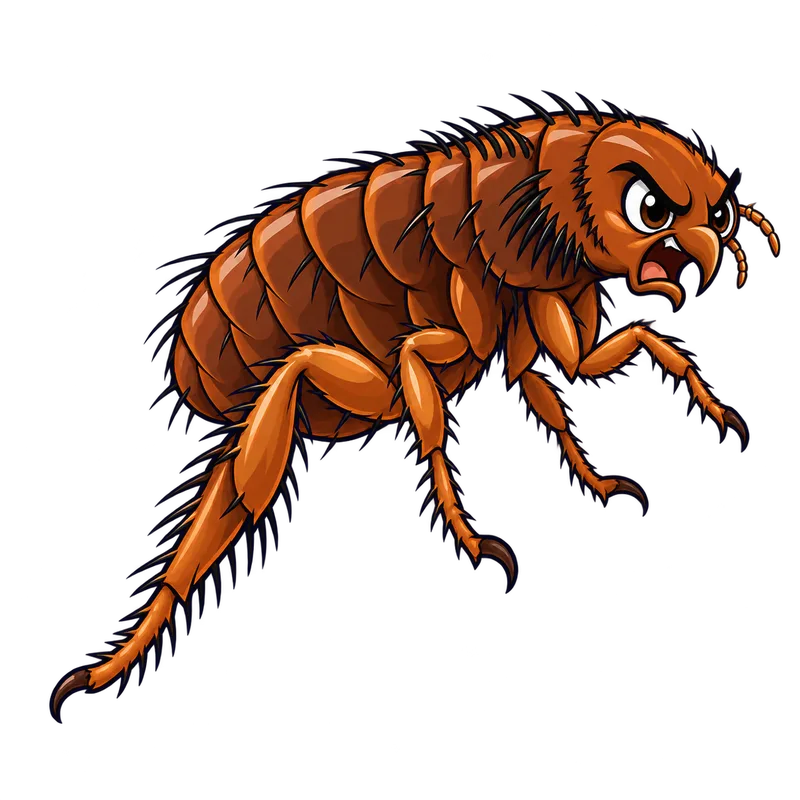
Reduce fleas in a yard by targeting dark and humid microhabitats rather than open sunny grass. Clear away wet leaves and debris beneath decks and shrubbery to expose fragile larvae to heat and sunlight, keep pets on veterinary preventatives, and apply targeted treatments containing an insecticide and an insect growth regulator to shady resting spots.
What is actually going on
You step out into the backyard on a warm Saturday morning to water the tomatoes, and by the time you reach the back porch steps, your ankles are peppered with tiny, frantic black specks. You look at your dog, who is already scratching his ribs with rhythmic desperation, and your first impulse is probably to buy a jug of lawn pesticide and hose down every square foot of grass from the fence to the driveway. Do not do that. Blasting your entire lawn with chemicals is a waste of time and money because fleas do not live in open, sunny grass.
The insect driving you crazy is almost certainly the cat flea, which happens to be the primary flea found on both dogs and cats across North America. To understand why your yard has a flea problem, you have to look at how their life cycle works. Adult fleas live on an animal host, where they feed on blood and mate. A single female flea can lay up to 25 eggs every single day. These eggs are completely smooth, which means they do not stick to fur. As your dog trots across the yard, sits under the oak tree, or naps in the dirt beneath the deck, those eggs slide off like tiny grains of sand.
Once the eggs hatch, the flea larvae take over, and this is where yard dynamics get interesting. Flea larvae do not suck blood from animals. Instead, they feed on organic debris, dust, and dried blood droppings excreted by adult fleas. Flea larvae have very thin skin and dry out quickly when exposed to heat and sunlight. An open, manicured lawn baked by the afternoon sun is a death trap for them. They cannot survive there.
Instead, larvae crawl toward dark, humid microhabitats. They wriggle into the cool soil under dense shrubbery, beneath raised decks, inside subfloor crawlspaces, and under the shaded edges of dog houses. After gorging on organic debris, the larva spins a sticky silk cocoon covered in dirt and enters the pupal stage. Think of this cocoon as an armored vault. Most outdoor chemical sprays bounce right off it, and the pupa inside can wait dormant for weeks or even months. The adult flea only breaks out of that shell when it detects physical cues: the vibration of footsteps, sudden shifts in light, or the body heat of a mammal walking past. When you walk by, you are quite literally triggering an ambush.
There is another wrinkle to keep in mind: your pets might not even be the original source. Stray cats, opossums, raccoons, and rodents move through residential yards every night. If a wild animal sleeps under your porch for two nights, it can easily deposit hundreds of flea eggs into that soil, leaving a hidden infestation waiting for your pets the next afternoon.
How to tell for sure
Before you start spraying or modifying your yard, you need to confirm what you are dealing with. Adult fleas are small, usually measuring less than 4 mm in length. They are reddish-brown to dark brown, wingless, and noticeably flattened from side to side. That narrow shape allows them to slice through dense animal fur with remarkable speed. Their hind legs are built for jumping, capable of launching them nearly 30 cm through the air in a single leap.
If you suspect an outdoor flea pocket, try the classic white sock test. Pull a pair of thick, white athletic socks up over your calves and walk slowly through the shaded, suspect areas of your yard. Step under the deck, linger along the shady north foundation wall, and walk beneath low-hanging bushes where your dog likes to nap. If fleas are waiting in the soil, the vibrations and warmth from your legs will trigger them to jump. Against the bright white fabric of your socks, the dark, jumping insects will be immediately obvious.
It is usually worth noting the difference between cat fleas and other outdoor biting pests. Ticks, for instance, crawl slowly up vegetation and do not jump. If an insect leaps aggressively off the dirt, it is a flea. There is an exception if you keep backyard chickens or live on a rural property. You might encounter stickfast fleas. Unlike the common cat flea, which moves constantly through fur, adult stickfast fleas have squarish heads and anchor themselves firmly to bare skin. You will usually see them clustered tightly around the wattles, combs, or eyes of chickens, or on the ears of outdoor pets, where they remain attached for days at a time. Their larvae burrow directly into the loose dirt floors of coops and outbuildings.
Never try to identify a flea problem based on skin marks alone. Flea bites usually appear as small, intensely itchy red bumps, often clustered around the ankles and lower legs, but human skin reactions vary dramatically. One person might develop large, raised hives while someone else in the same yard barely reacts at all. Always look for the actual insects or the telltale flea dirt rather than guessing from a rash.
What usually comes next
Clearing fleas out of an outdoor space takes a coordinated plan. Focus on just one part of the puzzle, and the life cycle simply spins up again in about 14 days. Start with the pets. Treating the dirt while leaving your cat or dog unprotected is a lot like washing the windshield while a bird keeps dropping twigs from above. Your untreated animal will just keep restocking the yard with fresh eggs from morning until night. Every pet in the house, dogs and cats alike, needs to be on a veterinarian-approved flea preventative all at the same time.
Next, turn your attention to physical cleanup and clearing out debris. Toss any outdoor pet bedding, doghouse mats, and resting pads into the washing machine on a hot cycle, then dry them on high heat. Rake out deep piles of wet leaves, fallen pine needles, and rotting plant matter from under porches, around the perimeter of the house, and deep beneath heavy shrubbery. Opening up those damp, dark corners to more sunlight and fresh air makes the soil a very hostile place for fragile flea larvae.
When you are ready to treat the ground, focus on the real trouble spots and leave the open lawn alone. Look for yard products specifically labeled for fleas that mix a standard insecticide with an insect growth regulator. The insecticide knocks down active biters, while the growth regulator stops surviving larvae from ever reaching adulthood. Direct your spray only where the pests actually hide: under low porches, along shaded dog runs, inside crawlspaces under the house, and beneath thick ornamental bushes where animals like to rest. If you keep backyard poultry and are dealing with stickfast fleas, regular yard sprays will not fix the problem in the coop. The permanent solution is putting in a solid floor, such as poured concrete or sealed wood, in the sleeping areas. That physical barrier keeps larvae from burrowing into the loose dirt below the birds, finally breaking the life cycle.
Skip the electronic and ultrasonic plug-in repellers. Testing has proven time and again that these gadgets do nothing to drive away fleas, ticks, or any other biting bugs. Finally, set a reminder on your calendar for a follow-up inspection and a second application about two weeks after the first. Since no chemical spray can pierce a sealed pupal cocoon, the pupae already resting in the dirt when you sprayed will keep hatching out over the next fortnight. A targeted second round catches those newly emerged adults before they can feed, mate, and start the whole mess over again.
When to get help
Most backyard flea flare-ups clear up with thorough cleanup, strict pet care, and precise outdoor treatments. Still, certain situations call for a licensed pest control professional. If your home sits on a raised foundation or has a large, dark crawlspace that has turned into a major flea nest, applying residual products safely inside enclosed structural zones is a job for an expert. Licensed operators bring the specialized gear, respirators, and training needed to treat tight subfloor areas without venting chemicals up into your living rooms.
You also need to think about safety and non-target risks before handling chemical sprays yourself. Many standard lawn treatments rely on synthetic pyrethroids like permethrin. While it works well on insects, permethrin is extremely toxic to cats and aquatic wildlife. If you have outdoor cats roaming the yard, or if your property borders a fish pond, creek, or storm drain, a careless spray can lead to severe environmental damage or feline illness. When you cannot be certain of a safe application, hire a licensed professional who knows the local runoff rules.
On the health side, keep an eye on everyone in the household for bite complications. Constant itching often leads to hard scratching that breaks the skin, which can easily invite a secondary bacterial infection. If you see spreading redness, swelling, warmth, or pus around any bite, talk to a doctor or head to an urgent care clinic. Fleas also carry internal parasites. If a child or pet accidentally swallows an infected flea during play or grooming, they can pick up a common tapeworm. If you spot tiny white segments resembling grains of rice in your pet droppings or notice unusual pet distress, reach out to your vet right away.
Finally, if wild animals keep seeding your property with new pests, look around for entry points. When raccoons or other wildlife move in to stay beneath porches or inside outbuildings, contact your local wildlife management agency or animal control office before you try to clear out nests or block their entryways.