
How can you monitor fleas in a home without a pet?
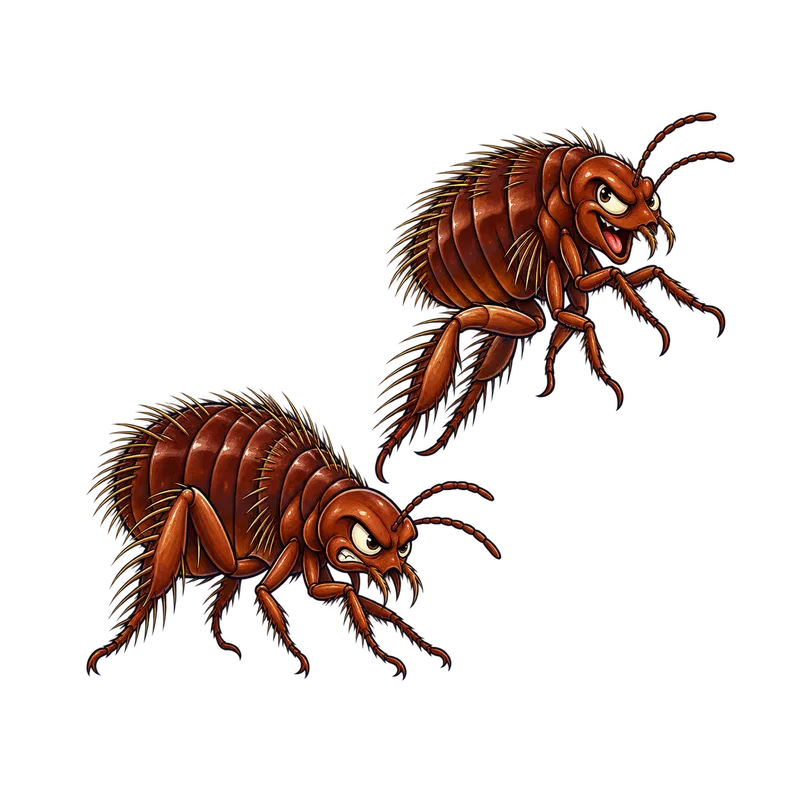
You can monitor fleas in a petless home by performing the white sock test, which involves wearing knee-high white cotton socks and shuffling slowly across the floors. You can also set up an active trap overnight by placing an incandescent lamp above a shallow dish of water mixed with a few drops of dish soap.
What is actually going on
You walk into an empty spare room or a newly rented apartment that has not seen a dog or a cat in months, and within minutes your ankles are covered in itchy, angry red dots. You check the baseboards, you check the corners, and you wonder how on earth you have a flea problem when there is not a single animal living under your roof. It feels a bit like a ghost story, but the explanation is purely mechanical.
Fleas do not vanish just because the dog moved out or the previous tenant took their cat. In fact, an empty house is often where they stage their best surprise. Adult fleas lay eggs that drop deep into the pile of rugs, carpets, and floorboard cracks. These eggs turn into larvae and eventually spin a sticky, debris-coated cocoon where they enter a quiet resting stage. Inside that cocoon, a fully formed adult flea can sit and wait for up to an entire year without taking a single breath of fresh blood.
They are essentially waiting for a wake-up call, and they are remarkably easy to trick. The moment someone walks across the floor, the vibrations shake the subfloor. Body heat, air currents, and even the tiny amount of carbon dioxide you exhale act like an open invitation. The entire reserve population senses the movement and hatches all at once, launching themselves out of the carpet fibers to find a warm body. If your pets are gone, your ankles become the next best option.
How to tell for sure
Do not rely on the shape of a bite mark to confirm what you are dealing with. Medical professionals and pest experts will tell you that human skin reactions to insects vary wildly, meaning one person might break out in large, angry welts while another feels nothing at all. You usually need to catch a physical specimen before you can say for certain that you are dealing with fleas instead of mites or dust bugs.
One of the easiest ways to check is the white sock test. Pull a pair of smooth, knee-high white cotton socks up over your trousers and shuffle slowly across the carpeted rooms or around the edges of uncarpeted floors. Fleas are usually built to jump up to thirty centimeters using powerful hind legs, and their narrow, side-to-side flattened bodies allow them to slip easily through dense carpet fibers. When they leap at your approaching footsteps, they usually land squarely against the bright white fabric, where their dark, reddish-brown bodies stand out like pepper flakes.
You can also set up a simple active trap overnight. Place a small incandescent lamp a few inches above a shallow dish of water mixed with a few drops of ordinary dish soap, or set the lamp directly over a commercial sticky card. The light and radiant heat mimic a living host, drawing the emerging fleas out of the floorboards so they jump toward the warmth and drop straight into the trap. If you prefer to check the corners directly, press a strip of clear adhesive tape over any suspect insect crawling along a baseboard, then press the tape down onto a piece of white paper to examine it without crushing it.
What usually comes next
Once you catch a few specimens and confirm you are dealing with fleas, your next practical step depends on whether you find them near a living space or an entry point. If you live in a multi-unit building or an older home where no domestic animals have lived for ages, you usually have to look for alternative hosts. Mice or rats nesting in the wall voids, crawlspaces, or attics can bring in specialized rodent fleas. Similarly, raccoons or opossums sheltering under a porch can keep a flea population fed and thriving without a pet ever crossing your threshold.
If you decide to vacuum the floors to clear out surface debris and adult pests, take precautions with the aftermath. Suction alone usually fails to dislodge sticky pupal cocoons from deep carpet piles, and any live fleas you do suck up will not necessarily die inside the machine. If you use a standard vacuum, cut a nylon stocking, insert it into the end of the wand with the open end folded over the rim, and vacuum your baseboards and carpet edges. Once you finish, carefully remove the stocking, tie it closed, slip it into a plastic bag, and put it in the household freezer overnight to kill everything inside before you throw it out.
Do not rely on total-release foggers or bug bombs as a quick fix for a petless home. These aerosol mists tend to settle out in the open air, failing entirely to reach the deep cracks, subfloor gaps, and carpet bases where pre-emergent fleas wait out the months.
When to get help
There are moments when a DIY monitoring effort turns up something that requires outside expertise. If your white sock test or sticky traps reveal that the fleas are coming from an active rodent infestation in the attic or a family of raccoons nesting in the crawlspace, you need to call a professional wildlife removal service or a licensed pest management applicator. Treating the flooring will do very little if the animals supplying a fresh batch of fleas every night remain tucked away in your walls.
Safety is another major reason to bring in professionals, particularly when chemical treatments become necessary. If you decide to use commercial insecticides or residual sprays, remember that the product label is the absolute law. Never alter the mix rates, and never apply a pesticide to a surface or animal not listed on the packaging.
You also need to exercise extreme caution if you share your home with other animals, even if the current flea problem is happening in a petless room. Permethrin and other concentrated synthetic pyrethroids commonly found in premise treatments and dog products are notoriously and often fatally toxic to cats. A product that is entirely safe for a canine or a baseboard can cause severe neurological damage or death if a cat comes into contact with it or inhales the residue. Birds are similarly sensitive to airborne household sprays, and many outdoor treatments carry high toxicity for fish if runoff reaches nearby drains. When a home infestation feels too widespread to handle with simple traps and vacuuming, a licensed pest control professional can usually build a targeted treatment plan using approved residual products and insect growth regulators that keep your household safe.