
What can flea dirt in bedding tell you, and what can it not prove?
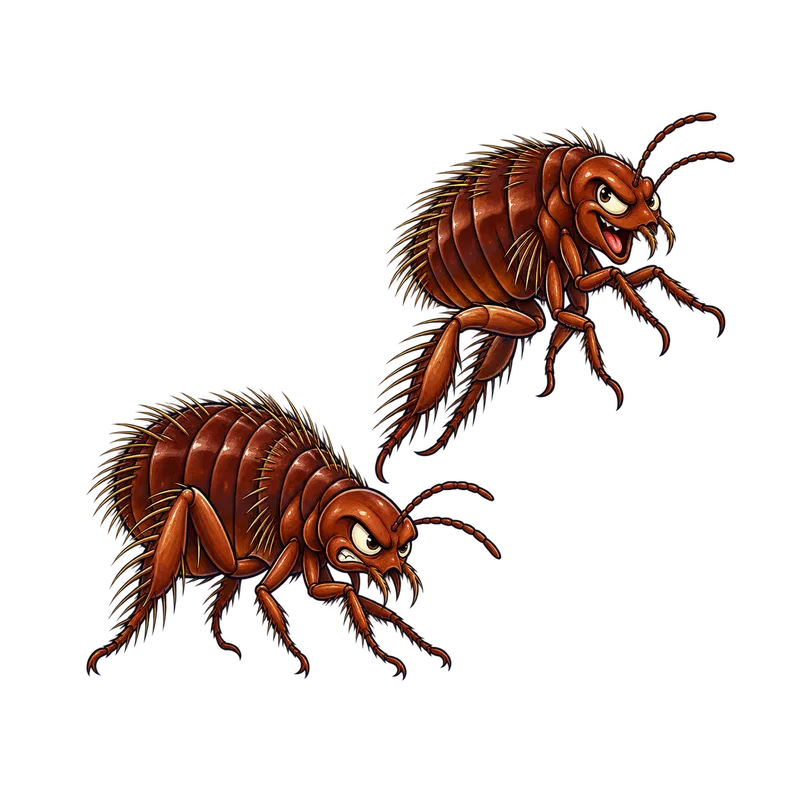
Flea dirt in bedding proves an adult blood-feeding flea recently fed on an animal resting there, but it cannot prove you have a live infestation right now. These dry dark granules can stick around in fabric for months after the host is gone, and they cannot reveal the flea species.
What is actually going on
You are making the bed on a lazy Sunday morning, and you spot a tiny scatter of black specks right there on the bottom sheet. They look like someone shook a pepper grinder over the mattress, which immediately makes your skin crawl. You lean in closer, wondering if you have an uninvited guest crashing in your bedroom.
To answer the main question right away, flea dirt in your bedding proves that an adult, blood-feeding flea has recently had a meal on an animal resting in that exact spot, leaving behind its digested blood waste. Adult female fleas take in large blood meals and excrete dry, dark reddish-brown waste granules that fall off the host into sleeping areas. These little pellets are not just waste either. They serve as an obligatory food source for newly hatched flea larvae, which cannot eat fresh blood directly and rely on these dried bits to survive.
Even though finding those specks tells you a pet was dropping debris, it cannot prove you have a live, crawling infestation right now. Dry fecal granules can stick around in fabric weaves for months after the host animal or the adult fleas are long gone. Furthermore, those specks cannot tell you what kind of flea left them, and they certainly do not prove that any human in the house is being bitten. Fleas prefer domestic animals, and while they can bite people incidentally, they usually stick to the furry members of the family.
How to tell for sure
Before you start tearing the room apart, you need to verify what you are actually looking at. People often confuse flea dirt with bed bug droppings or simple household grime, but there is a classic kitchen-sink test that usually clears things up. Grab a white paper towel, wet it slightly, and press a few of those dark specks onto the damp surface.
If the specks are flea dirt, the dried hemoglobin from the digested blood will rehydrate within seconds. The pigment leaches outward, turning into a distinct reddish-brown or bright red ring on the towel. If you are dealing with ordinary household dust, dirt, or cockroach droppings, the specks might dissolve into a boring brown or black smear, but they will never bleed red.
Bed bug droppings often take the blame for this kind of mess, but they behave quite differently. While flea dirt forms loose and dry granules that sit like pepper on top of the fabric and brush away easily, bed bug waste comes out liquid. It soaks directly into mattress seams and fabric fibers like dark fountain pen ink, leaving flat and permanent stains that refuse to flake off. If the specks are loose like pepper and bleed red on a wet paper towel, you are usually looking at flea dirt. If they are smeared ink-like spots tucked deep into a mattress piping, you are looking at something else entirely. Remember that you can never identify a pest from a skin bite or a red mark on your body, because human skin reacts to insect saliva in wildly different ways. Identification always starts with the physical evidence in the room, not the itch on your arm.
What usually comes next
Once you confirm that the specks are indeed flea dirt, your next move is straightforward, and it usually involves a multi-step cleanup starting with your pets. Check any cats or dogs in the house using a fine-toothed comb, paying special attention to the base of the tail, the belly, and around the neck where fleas like to hide.
You will want to strip all the bedding, blankets, pillowcases, and any removable pet bed covers and throw them straight into the washing machine. Wash everything in hot water and run it through a high-heat dryer for at least 20 to 30 minutes to knock out any lingering eggs or larvae. While the laundry is tumbling, grab the vacuum and go over the mattress, upholstered furniture, baseboards, and carpets. Empty or seal the vacuum bag immediately so the captured pests do not crawl back out.
At the same time, you need to talk to a licensed veterinarian to get your pets on a reliable, ongoing flea control product. Treating the environment without treating the animal is usually a waste of time because any new fleas brought inside will simply start the cycle over again.
When to get help
Most minor flea situations clear up once you combine thorough washing, vacuuming, and proper pet care, but there are times when you need to bring in outside help. If you have cleaned everything and treated your pets, but you are still finding fleas and fresh dirt after 2 to 3 weeks, it is time to call a licensed pest control professional. Multi-unit housing often requires professional intervention too, since pests can easily travel between adjoining apartments.
You also need to pay attention to health warnings. If anyone in the home develops severe skin inflammation, hives, or secondary infections from scratching bite sites, make an appointment with a clinician. On the animal side of things, heavy infestations can put young, elderly, or sick pets at risk of severe anemia and dangerous lethargy. If your pet seems weak or overwhelmed by the pests, get them to a veterinarian right away.