
Do flea larvae normally live on dogs or in their surroundings?
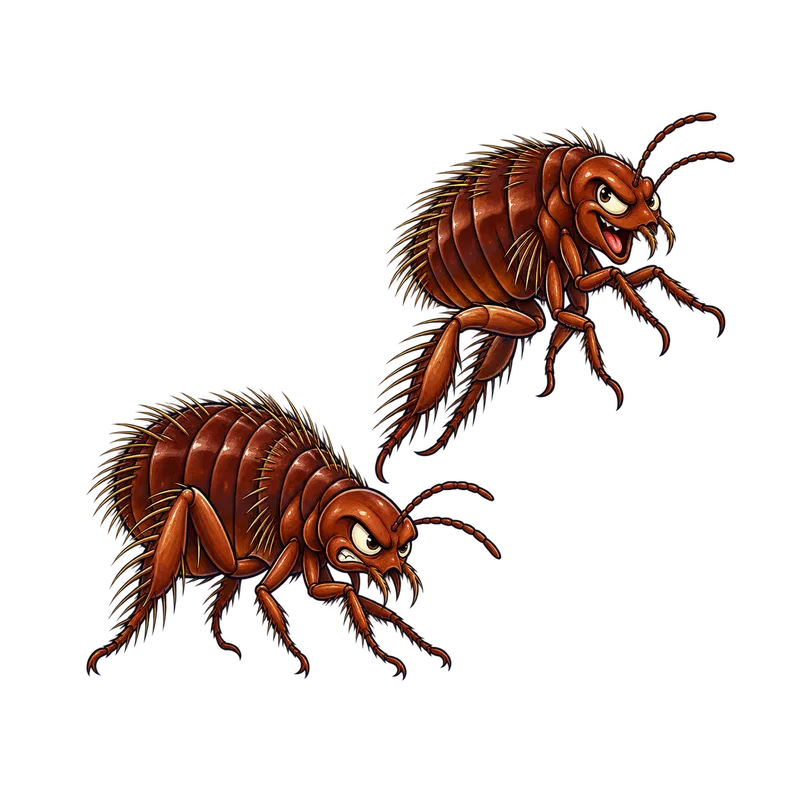
Flea larvae do not live on dogs, but instead stay strictly in the environment, such as deep within carpet pile, rugs, and floorboard cracks. Because these immature stages lack the claws and grip required to hold onto fur, they drop off the pet and feed on organic dust and flea dirt on the floor.
What is actually going on
Picture coming home after a long week away, dropping your bag in the hallway, and walking into the living room. Within minutes, your ankles are covered in itchy red bites, even though your dog has been treated for fleas and seems clean. You might wonder how a dog-related pest is suddenly swarming your floors if the animal itself is not crawling with them. The short answer is that flea larvae do not normally live on dogs or cats at all. While adult fleas spend their lives riding around on your pet and feeding on blood, the immature stages are strictly creatures of the environment.
Female fleas lay non-adhesive eggs right in your pet's fur, but those tiny white eggs do not stick. As your dog shakes, walks, or curls up on the rug, the eggs slide off and pile up wherever the animal rests. When those eggs hatch, the resulting larvae cannot survive on a live animal. They lack the claws and grip required to hold onto fur, so they drop deep down into carpet pile, weave their way into rugs, or burrow into floorboard cracks.
Instead of biting your dog for a meal, flea larvae feed on organic dust and flea dirt, which is the dried, digested blood that adult fleas excrete into the environment. They avoid light completely, wriggling as far down into the fibers as they can. Once they finish growing, they spin a sticky silken cocoon covered in surrounding dirt and debris. They can wait inside that cocoon for months, resting safely until the vibrations of footsteps tell them a host is finally walking by.
To understand why this happens, think of the common cat flea as a mobile passenger that hitches a ride on your dog just long enough to feed, while the rest of its life cycle plays out entirely in the background of your home. A single female can produce up to twenty-five eggs a day, meaning a single resting spot can quickly turn into a major nursery without you ever noticing a bug on your pet's coat. The larvae themselves do not have legs suited for climbing up furniture or clinging to skin, which explains why they stay firmly anchored to floor coverings and pet bedding where the raw materials for their diet accumulate naturally.
How to tell for sure
Finding the immature stages usually takes a bit of detective work because they actively hide from light and human eyes. If you inspect your dog's favorite sleeping mat or the carpet underneath it, you might notice tiny white oval eggs mixed with dark, curly specks that look like coarse ground pepper. If you dab those dark specks with a wet paper towel, they usually dissolve and turn reddish-brown because they are made of dried blood. That is the exact nursery food supply left behind for the legless larvae crawling out of sight.
You usually will not see the worm-like larvae themselves unless you pull up a section of old carpet or thoroughly examine the dark crevices of pet bedding. They look like tiny, pale, moving threads, and they quickly wriggle deeper into the shadows if a flashlight beam hits them. If you suspect fleas are breeding indoors, remember that seeing a few biting adults is usually a sign that thousands of eggs, larvae, and pupae are already developing quietly in the surrounding floors and furniture.
When you check the environment, keep in mind that other pests can leave marks or debris that look similar at a glance. However, the presence of flea dirt combined with fine white eggs is a strong indicator of an active flea nursery. If you find small, fixed, non-moving parasites attached firmly to your pet's skin on the head or ears, you might be dealing with a different species such as the stickfast flea, where the adults stay put for weeks while the young still drop off into the soil or floor litter to develop.
What usually comes next
Tackling this mess means letting go of the old idea that dosing the dog will magically fix everything. Since most of the flea population actually hangs out away from the animal as eggs, larvae, and pupae, ignoring the surroundings leaves a huge invisible stockpile waiting to hatch. You really need to hit both fronts at the same time, treating the pet and the living space together.
Your best first move is simple physical cleanup. Vacuum every inch of your rugs, carpets, couches, and baseboards to suck up the eggs, the larvae, and the debris keeping them fed. The physical rumble of the vacuum cleaner actually tricks the resting adults inside their cocoons into coming out early, which helps you catch them. As soon as you finish, empty the canister or bag into a sealed plastic bag and toss it straight into an outdoor trash bin so the captured bugs cannot march right back inside.
Washing all pet bedding and soft rugs in hot water also helps finish off any stubborn eggs or larvae lurking deep in the fabric. If you decide to bring in chemical treatments for your floors and furniture, you have to read every word on the product label and follow those rules to the letter. A lot of standard sprays can cause trouble for other creatures in the house if used incorrectly, and the product label is your only safe guide.
When to get help
Sometimes a good vacuum and regular pet grooming just are not enough to break the cycle. If you have treated your dog and scrubbed the floors for a few weeks and still find yourself fending off biting adults, you will want to call in a licensed pest management professional. Crawlspaces, subfloor areas, and stubborn multi-unit buildings often need heavy-duty tools that go way beyond a regular household cleaner.
As for your pet, every single chemical treatment needs to come straight from a veterinarian. Never guess at measurements or use dog products on a cat, since common canine treatments like high-concentration permethrin can quickly prove fatal to felines because of how their bodies process toxins. If anyone in the house develops severe allergic reactions, nasty hives, or infected scratches from the bites, get in touch with a clinician right away.
Calling in an expert also makes sense if the infestation has worked its way into hard-to-reach structural cracks or if you just bought a vacant house where hungry adult fleas are waiting in the dark. A licensed applicator knows how to look at the layout of a building and apply targeted treatments safely. And if your dog starts showing signs of tapeworm after swallowing fleas during grooming, your vet has the right medication to clear that up without any guesswork.