
What do flea eggs on dogs look like?
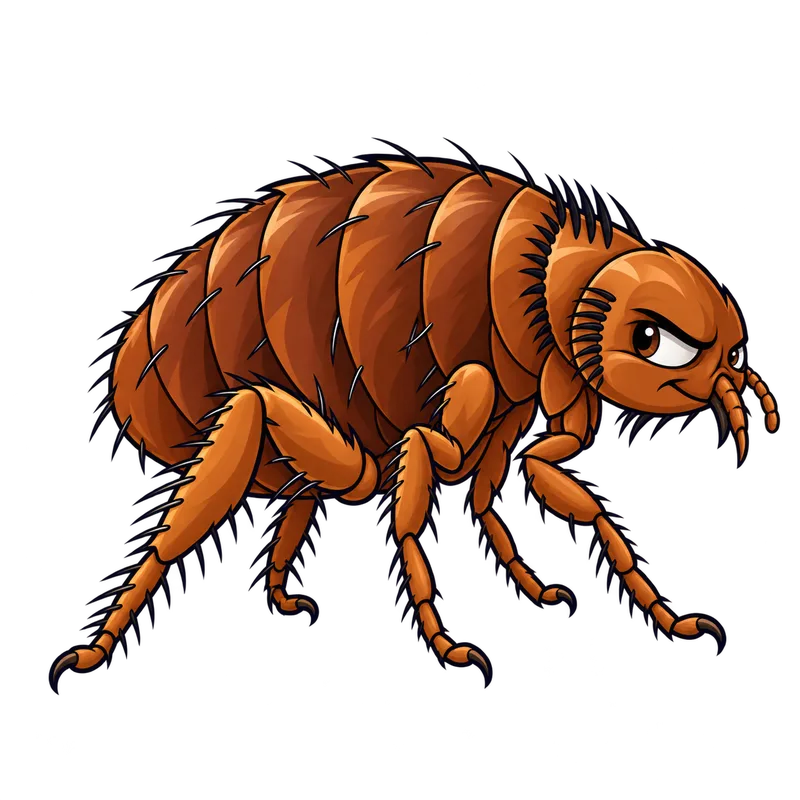
Flea eggs on dogs look like smooth, oval, pearly white grains about half a millimeter long, roughly the size of a crystal of table salt. Because these eggs are not sticky, they rarely stay on the dog and usually roll out to collect in the places where the dog sleeps, sits, and scratches.
What is actually going on
You are sitting on the floor with your dog's head in your lap, scratching behind the ears, when you notice something on the dark fabric of the dog bed: a sprinkle of tiny white specks mixed in with little black flecks. It looks as if someone passed by with a salt shaker and a pepper grinder and didn't bother to clean up.
That scatter is very often exactly what you suspect. Flea eggs on dogs look like smooth, oval, pearly white grains about half a millimeter long, roughly the size of a crystal of table salt. They are not sticky, so they rarely stay on the dog for long. They roll out of the coat and collect wherever the dog sleeps, sits and scratches.
The flea you are almost certainly dealing with is the cat flea. Despite the name, it is the species behind the great majority of flea problems on dogs as well as cats. The adult female lays her eggs while she is on the animal, but she does something lice and bed bugs never do: she skips the glue.
A louse cements its eggs, called nits, to the hair shaft. A bed bug fixes its eggs to a seam or a crack. A flea egg has no sticky coating at all, which means that every time your dog stands up, shakes or scratches, the eggs tumble out. That is why the dog can look almost clean while the bed, the rug and the favorite corner of the couch tell a very different story.
The numbers explain why that story gets worse quickly. A single female can lay twenty to twenty five eggs a day for weeks. Most of a flea population is never on the dog at all. It is sitting in the carpet as eggs, larvae and pupae, waiting for its turn.
The black specks next to the eggs matter just as much. They are flea dirt, the dried droppings of adult fleas, and they are made of digested blood. When the eggs hatch, the larvae do not bite anything. They crawl deeper into the fibers, away from the light, and eat that flea dirt. Your dog's bed is, in effect, a nursery with the food already delivered.
How to tell for sure
White specks on their own prove very little. Dandruff, dry skin flakes, grains of sand and crumbs of kibble can all look similar at a glance. What separates a guess from an answer is the pepper, not the salt.
Take a clean white paper towel and brush or comb some of the debris onto it. Then add a few drops of water. Ordinary dirt stays dark and dry. Flea dirt dissolves and spreads into reddish brown rings, a bit like a drop of water landing on dried watercolor paint. That color is the blood it was made from, and it confirms that adult fleas have been feeding.
To check the dog directly, use a fine toothed metal flea comb and work slowly in good light, near a bright window or under a desk lamp. Pay attention to the base of the tail, the groin and the neck, which are the places fleas favor. Individual eggs are hard to see in the coat without magnification, so do not be discouraged if you only find flea dirt. That is normal, and it is enough to act on.
One exception is worth knowing. In dogs with long, thick or matted coats, the eggs and flea dirt can get trapped in the mats instead of falling out, and you may find small clusters of white grains and black specks close to the skin.
A word on the thing people most often use as evidence: scratching and red marks. They are not proof of fleas. Bites and skin reactions from mites, bed bugs and ordinary allergies can look the same, and neither a vet nor a pest professional can name the insect from the mark it left. The flea, the egg or the flea dirt is the evidence.
What usually comes next
Since most of the problem lives around the dog rather than on it, the house needs as much attention as the pet.
Start with everything the dog sleeps on. Wash pet bedding, throw blankets and washable rugs in hot water, above about 120°F (roughly 50°C), and then run them through a hot dryer for at least twenty to thirty minutes. Heat kills every stage, eggs and larvae included.
Then vacuum, and be thorough about it: carpets, the cracks between floorboards, baseboards and upholstered furniture. Vacuuming pulls up eggs and larvae, and the vibration encourages developing fleas to emerge where they can be dealt with. When you finish, seal the bag in plastic or freeze the contents overnight before throwing them out, so nothing crawls back out of the bin.
Expect this to be a process rather than a single afternoon. Eggs can hatch in two to ten days at ordinary room temperature, and the pupae sit inside dusty cocoons that hide them completely. A few rounds of washing and vacuuming, spaced over a couple of weeks, are what break the cycle.
The dog needs treatment too, and this is where many households make an expensive mistake. Any product that goes on or into an animal, whether a spot on, a chewable tablet or a collar, should be chosen with a veterinarian. Some treatments made for dogs, particularly those containing permethrin and related pyrethroids, are extremely toxic to cats and can kill them. Never use a dog product on a cat, and keep a freshly treated dog away from cats in the house until the product is completely dry.
When to get help
Call your veterinarian if the dog is scratching raw patches, losing hair or developing hot spots, which can point to flea allergy dermatitis. Call right away if a puppy, a very small dog or an older dog seems weak or pale, because a heavy infestation can cause dangerous blood loss in small animals. The vet is also the person to ask about tapeworm, which dogs pick up by swallowing an infected flea while grooming.
If you have washed, vacuumed and treated the pet on your vet's advice and fleas keep showing up for weeks, it is time to bring in a licensed pest control professional. Persistent indoor populations, or problems that extend into a yard or crawl space, usually need a coordinated plan rather than more of the same.
So look for the salt and the pepper, test the pepper on a wet paper towel, and treat the house and the dog together.