
What is flea dirt on dogs?
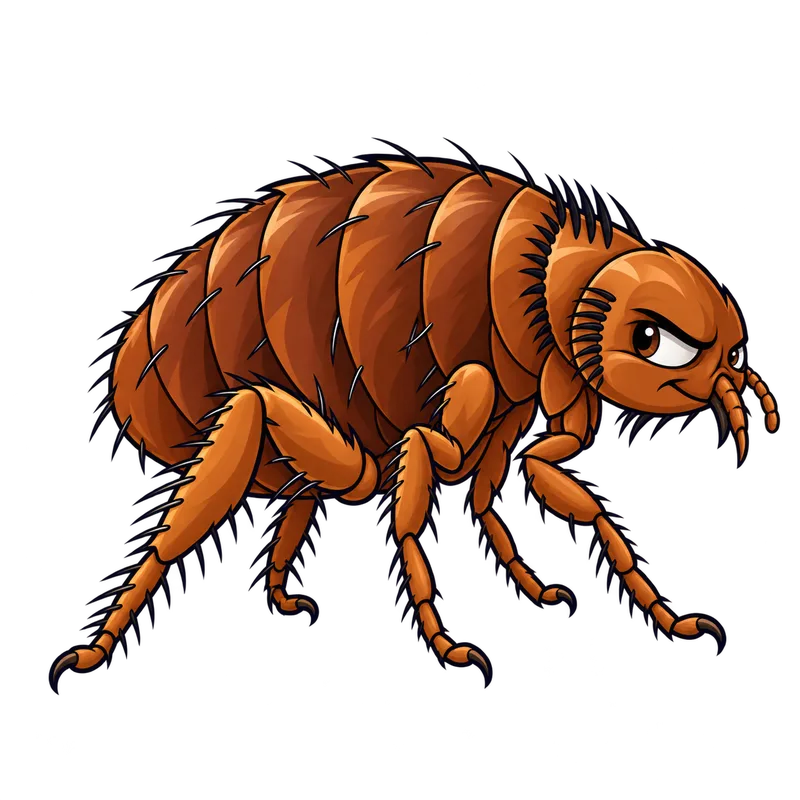
Flea dirt on dogs is the dried fecal excretion left behind by blood feeding adult fleas, appearing as tiny, dark, comma-shaped specks in the undercoat. It consists of concentrated, partially digested blood that rehydrates and dissolves into a reddish-brown halo when placed on a wet paper towel.
What is actually going on
You are scratching behind your golden retriever's ears or brushing out his tail base when you notice a scattering of tiny black specks clinging to his skin. At first glance, you might think he rolled in potting soil or picked up some fine charcoal dust while exploring the backyard. But a closer look reveals something entirely different. Those little dark granules are actually flea dirt, which is the polite term for the dried fecal excretion left behind by blood-feeding adult fleas.
When an adult flea feeds on your dog, it consumes a large quantity of blood very quickly. Because their digestive tracts are designed for rapid throughput rather than efficient nutrient extraction, much of that host blood passes right through them. The flea excretes the excess as concentrated, partially digested blood that dries into tiny, dark, comma-shaped specks. If your dog is dealing with an active infestation, these granules accumulate in the dense undercoat around the rump, groin, neck, and tail base.
This waste product is not just a messy nuisance. It serves a vital biological purpose for the next generation of pests. Adult female fleas lay eggs that drop off the dog and fall deep into your carpets, rugs, and pet bedding. When those eggs hatch, the tiny flea larvae cannot bite a host animal or feed on blood directly. Instead, they rely entirely on the dried blood frass shed by the adult fleas as their primary source of nutrition. In a very literal sense, the adult fleas leave a trail of packed lunches in your carpets so their offspring have something to eat.
Telling flea dirt apart from ordinary household dust, garden soil, or sand is usually straightforward once you know the secret. You do not need a microscope to figure it out, though a fine-toothed flea comb and a well-lit room will usually make your job much easier. When you run the comb close to your dog's skin, you will often find a mix of white flakes of dead skin and dark specks that look like coarse black pepper.
To confirm what you are looking at, perform the wet paper towel test. Take a few of the dark specks off your dog or out of his bedding and place them on a clean, white paper towel that you have moistened with plain water. Wait about thirty to sixty seconds, and watch what happens. Because flea dirt is composed almost entirely of dried blood, it will usually rehydrate and dissolve, bleeding outward into a distinct reddish-brown or rust-colored halo. Ordinary soil or black pepper will simply stay hard and grainy without leaving a colored stain.
Keep in mind that dogs who groom themselves obsessively may lick away most of the surface flea dirt and adult fleas before you ever spot them. If your dog is constantly chewing at his skin but you cannot find any dark specks on his coat, do not assume he is flea-free. Check his favorite sleeping spots and bedding with the same wet paper towel test, because that is usually where the falling debris ends up accumulating.
How to tell for sure
Once you confirm those dark specks are indeed flea dirt, your immediate practical decision involves treating the situation as a whole house issue rather than just a quick bath for the dog. Giving your dog a soapy bath will wash away the surface debris and kill some adult fleas, but it will do nothing to stop the life cycle unfolding in your home. The fleas on your pet represent a tiny fraction of the total population, while the remaining eggs, larvae, and pupae are hiding out in your carpets and upholstery.
Your best path forward is to schedule a visit with your veterinarian to get your dog on the right preventive medication while simultaneously launching a thorough cleaning routine at home. Vacuum every rug, carpet baseboard, and upholstered cushion to suck up hidden eggs, larvae, and more flea dirt. Vacuuming also acts as a mechanical trigger that forces dormant pupae to hatch into adults. As soon as you finish, seal the vacuum bag or canister contents inside a plastic bag and take it straight to an outdoor trash bin to prevent anything from crawling back out.
What usually comes next
There are moments when a simple household cleanup is not enough and you need to bring in outside help. If your dog's skin is severely inflamed, hairless, weeping, or covered in raw sores from constant scratching, schedule a veterinary appointment right away. Dogs can develop flea allergy dermatitis, which is a severe hypersensitivity reaction to flea saliva that requires professional medical management. You should also consult a veterinarian if you spot small, rice-like segments around your dog's rear end, because fleas act as intermediate hosts for tapeworms and require specific prescription dewormers.
For the humans in the house, a heavy flea population can lead to itchy red bites, usually clustered around the ankles and lower legs. If someone experiences severe allergic reactions, widespread hives, or secondary skin infections from scratching bite sites, they should see a primary care clinician or visit an urgent care center.
When an indoor infestation gets completely out of hand and environmental sanitation fails to curb the biting population, call a licensed pest management professional. A licensed applicator can treat structural cracks, baseboards, and carpets using registered residual insecticides or growth regulators in strict compliance with safety regulations, keeping your household safe and legally protected.