
How are human flea infestations treated?
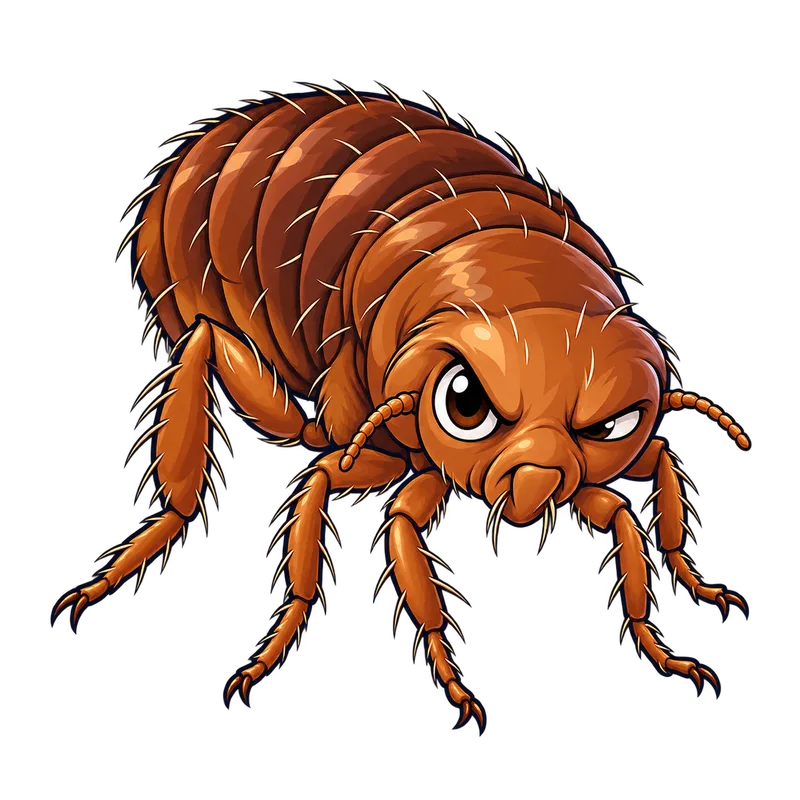
Human flea infestations are treated using a coordinated approach that tackles the environment and any animal hosts at the exact same time. This process relies on veterinary treatments for your pets, heavy-duty cleaning of carpets and floors, and targeted chemistry where those insects breed.
What is actually going on
You walk across the living room carpet in your bare feet and suddenly notice a row of itchy red spots clustering around your ankles. You might think you missed a mosquito bite, but a quick glance down reveals a tiny, dark speck launching itself six inches into the air. That is a flea. When people talk about treating a human flea infestation, they usually picture spraying themselves with bug repellent, but the reality is that the insects biting your shins are only a small fraction of a larger household population hiding right under your feet.
Treating an infestation requires tackling the environment and any animal hosts at the exact same time. If you only treat your dog or cat and forget about the carpets, the eggs left behind in the fibers will hatch a new generation within weeks. On the flip side, spraying every baseboard in the house will not stop pets from acting as a continuous conveyor belt for more fleas.
The strategy relies on a coordinated approach that involves veterinary treatments for your pets, heavy-duty cleaning, and targeted chemistry where those insects breed. You have to disrupt every stage of their life cycle, from the invisible eggs rolling off the cat to the resilient pupae waiting inside sticky silken cocoons.
Human flea infestations are rarely caused by fleas living permanently on human skin. Instead, people suffer nuisance bites when adult fleas emerge from environmental harborage sites, such as pet bedding, carpets, rugs, and floor cracks, or when they transfer directly from domestic pets or wildlife. The female cat flea can lay up to twenty-five eggs a day. Because these eggs are smooth and non-sticky, they roll right off the host animal whenever it moves, lodges, or sleeps, acting rather like a walking salt shaker dropping eggs into the carpet weaves and sofa cushions.
Those eggs hatch into worm-like larvae that feed on organic detritus and flea dirt, which is the dried, regurgitated blood excreted by adult fleas. Once the larvae mature, they spin sticky, silken cocoons coated in dust and environmental debris. Inside these cocoons, pupae can remain dormant for weeks or even months. They wait quietly until physical vibrations, body heat, or sudden changes in light trigger them to emerge. This explains why returning to a long-vacant property often triggers a sudden, massive attack by hungry adult fleas hatching all at once in response to floor vibrations, much like unpopped popcorn finally going off in a hot microwave.
How to tell for sure
Before you buy any products, you need to know what you are looking at. Fleas are small, wingless insects, usually measuring less than four millimeters long, and their bodies are flattened from side to side. That lateral compression lets them slip through dense pet fur and deep carpet weaves like swimmers through water. If you manage to catch one, its most famous trick is a powerful set of hind legs that allow it to jump distances up to thirty centimeters. That jumping ability separates them instantly from crawling pests like bed bugs, which are flattened top to bottom and can only crawl.
Where do they bite? You will usually find flea bites clustered on the lower extremities, specifically between the ankle and the knee. Because they live near the floor, those areas are their natural landing strips as they jump from the carpet. The bites usually appear as small, red spots that trigger intense itching within thirty minutes due to the saliva the flea injects while feeding.
Can you diagnose an infestation just by looking at the bumps on your skin? Not reliably. Flea bites look remarkably similar to bites from mites, bed bugs, or general skin allergies. Positive identification requires finding an actual physical specimen, whether that means spotting a jumping insect on your socks or combing black specks off your pet that turn red when mixed with water.
What usually comes next
Your single most effective practical decision is to launch a synchronized clean up that treats your pets and your floors on the exact same day. Call your veterinarian to secure appropriate, professional grade topical or oral treatments for every dog and cat in the house, because leaving even one animal untreated leaves a breeding reservoir intact. While those treatments go to work on the animals, turn your attention to the floors.
Vacuum every square inch of your carpets, rugs, upholstered furniture, and baseboards. That vigorous mechanical action does double duty, because the physical vibrations actually trick dormant pupae inside their cocoons into hatching early so they encounter any treatments you apply. Fabrics, pet bedding, and rugs should be laundered in hot water and dried on a high heat cycle.
There is one crucial trap here that catches many homeowners off guard. Once you finish vacuuming, do not leave the vacuum bag sitting in the closet. Fleas can easily survive the suction and crawl right back out into your living space, turning your vacuum cleaner into a temporary holding cell with the door left wide open. Immediately seal that vacuum bag inside a plastic trash bag and toss it straight into an outdoor bin, or freeze the bag to neutralize any survivors.
Chemical interventions often combine contact adulticides, such as synthetic pyrethroids, with insect growth regulators to disrupt molting and maturation. Because pupae inside cocoons are highly resistant to insecticides, adult fleas may continue to emerge for weeks after an initial treatment. Follow up inspections and repeat applications spaced two weeks apart are typically necessary to break the life cycle completely.
When to get help
There are moments when a DIY approach is not enough and you need to bring in outside help. If you have thoroughly vacuumed, washed everything in sight, and treated your pets, but adult fleas continue to emerge after two to four weeks, it is time to call a licensed pest management professional. Stubborn subfloor areas, multi family housing units, or heavy infestations in crawl spaces require regulated chemical applications that belong in the hands of an expert.
On the human health side, keep a close eye on those bite marks. Continuous scratching can break the skin barrier and introduce common staphylococcal or streptococcal bacteria. If you notice spreading redness, warmth, pus, or worsening pain around the bite sites, schedule a visit with a clinician or drop by an urgent care center.
Seek emergency medical attention immediately if anyone in the household experiences rapid swelling of the face, severe hives, or any difficulty breathing, as severe allergic reactions require immediate intervention. For any accidental exposure to concentrated insecticides or pet treatments, contact your local poison control center right away.