
When should a veterinarian advise on flea or tick products?
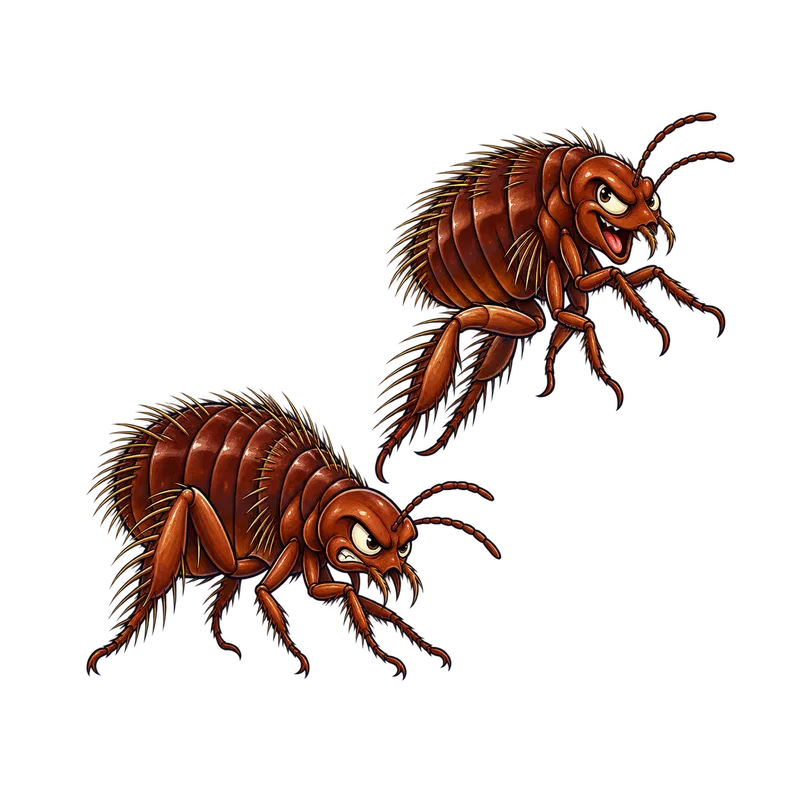
A veterinarian needs to advise on flea and tick products anytime a chemical or biological treatment is applied directly to an animal. This guidance is essential because product labels are legally binding, and a professional must evaluate species, age, weight, and organ health to prevent acute toxicity.
What is actually going on
Picture coming home on a Tuesday evening to find your cat twitching and drooling after you tried to save a few dollars by splitting a dog flea treatment you bought at the grocery store. It is an easy mistake to make when you assume all pest products meant for furry animals work the same way, but your cat simply cannot process the chemicals that a dog handles just fine. A veterinarian needs to advise on flea and tick products anytime a chemical or biological treatment is applied directly to an animal, and that rule matters long before you ever walk down the supermarket pet aisle.
Veterinary guidance is legally and clinically essential because the product label is a binding legal document. Applying any pesticide or therapeutic formulation in a way that contradicts the label directions violates federal and state law. A veterinarian evaluates host factors like species, age, weight, and organ health to select active ingredients that will not trigger acute toxicity. This oversight becomes doubly important in multi-pet households where treating only one animal leaves a thriving reproductive reservoir on the untreated pets, ensuring the infestation just keeps bouncing back.
Beyond initial product selection, veterinary consultation is critical when parasites act as vectors for systemic pathogens, or when environmental treatments pose collateral risks to other animals in the home. If you are dealing with persistent infestations that survive your best household cleaning efforts, or if you suspect a tick-borne illness is making your pet lethargic, you are past the point of simple home remedies. Chemical treatments alone rarely resolve a heavy infestation, and a coordinated approach is usually required to break the life cycle across all domestic hosts.
How to tell for sure
Identification always comes before control. You cannot treat a problem effectively when you do not know what you are looking at, and guessing based on a skin mark usually leads to wasted money and unnecessary chemical exposure. Insect bites on humans or animals cannot confirm pest identity because skin reactions vary widely between individuals.
For instance, finding tiny crawling bugs in a bedroom often sends people straight into a panic over bed bugs, when the real culprit might be bat bugs nesting in the attic or swallow bugs migrating from outdoor eaves. Distinguishing a common bed bug from a bat bug usually requires twenty to fifty times magnification to measure the length of the fringe hairs on the thorax against the width of the insect eye. If those hairs are longer than the eye width, you are usually dealing with bat bugs, and spraying the bedroom mattress will do nothing to stop them.
The same rule applies to parasites on your animals. A cat flea looks very different from a stickfast flea, which burrows permanently into the skin around the head and ears of pets and poultry. Hard ticks, which possess a visible hard shield behind the mouthparts, behave and transmit diseases quite differently from soft ticks. If you want to stop an infestation, you have to collect a physical specimen and get a reliable identification before you start buying chemicals.
What usually comes next
Once you have a confirmed identification and veterinary guidance for your animals, you generally need to look at an integrated management plan rather than relying on a single spray. If fleas or ticks are established in your home, you will need to treat every susceptible animal in the house simultaneously under veterinary direction, while stepping up mechanical cleaning with regular vacuuming and hot-water laundering of pet bedding.
When removing an attached tick from a human or a pet, skip the old wives' tales about matches, petroleum jelly, or nail polish. Applying those substances usually causes the tick to regurgitate saliva into the wound, which actually increases the risk of pathogen transmission. Use fine-tipped tweezers instead, grab the tick as close to the skin as possible, and pull straight upward with slow, steady pressure without twisting or crushing.
Avoid total-release aerosol foggers, often called bug bombs, because university extension services and regulatory agencies confirm they fail to penetrate the cracks, crevices, and mattress seams where pests hide. Instead of solving the problem, foggers tend to drive pests deeper into wall voids while exposing your living space to unnecessary chemicals. If wild animal reservoirs like rodents or roosting bats are bringing parasites into your structure, professional wildlife exclusion must happen before any pest control can succeed.
When to get help
Certain situations demand immediate professional intervention, and waiting too long can put both human and animal lives at risk. In animals, watch for emergency red flags like muscle tremors, drooling, lack of coordination, or seizures in cats, which often point to acute pyrethroid toxicity. Dogs showing sudden lethargy, pale gums, vomiting, or collapse need urgent veterinary care because these can be signs of tick paralysis or canine Chagas disease transmitted by kissing bugs.
On the human side, seek emergency medical care immediately if you notice signs of a severe allergic reaction following a bug bite, such as difficulty breathing, throat swelling, or widespread hives. Neurological symptoms after tick exposure, like a severe headache, stiff neck, confusion, or an expanding bullseye rash, also require a physician's evaluation right away.
When structural infestations prove stubborn, turn the job over to the specialists. A licensed veterinarian must handle diagnostic blood testing and prescription anti-parasitic treatments for your pets. A licensed pest management professional should manage indoor structural pesticide applications, and a licensed wildlife control operator is required when bats or birds must be safely excluded from attics before you can clear out the parasites they left behind.