
Why do fleas remain indoors after pets are treated?
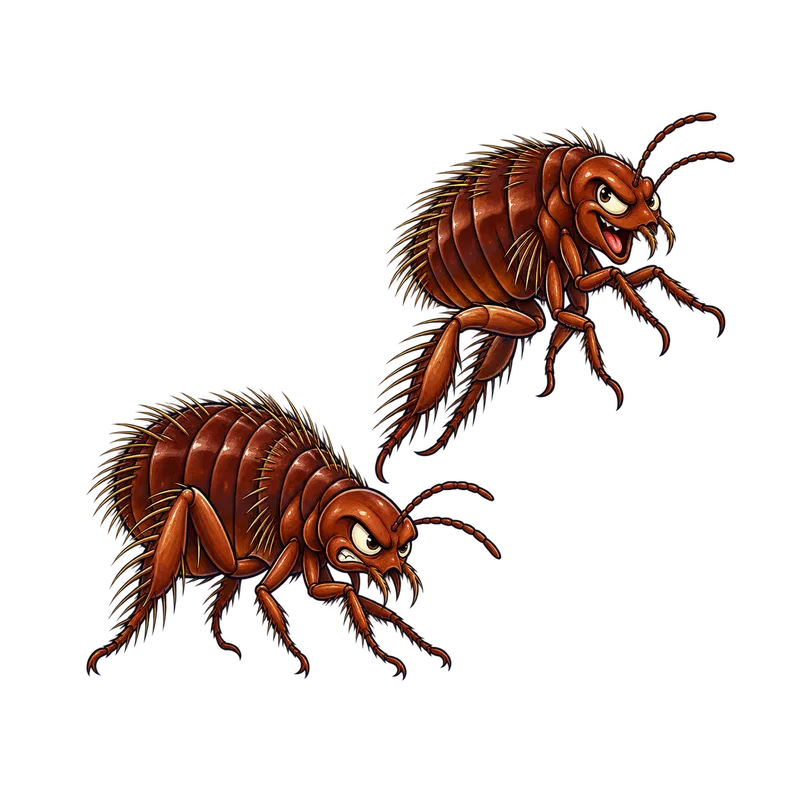
Fleas remain indoors after pets are treated because adult fleas living on an animal make up a tiny fraction of the total population. The vast majority of the infestation exists off the host in carpets and furniture as eggs, larvae, and cocoons that hatch on their own schedule.
What is actually going on
You spent good money on a spot-on treatment, gave the dog or cat their dose, and yet three days later you walk across the living room carpet and spot a tiny, dark speck jumping near your ankle. It feels like the medication did nothing at all. You might wonder how a product advertised to wipe out fleas on the animal leaves you with an active population crawling around the furniture.
The missing piece of the puzzle is that the adult fleas living on your pet make up a tiny fraction of the total population in your home. The vast majority of the infestation exists off the host. Female fleas lay eggs directly on the fur, but those smooth eggs immediately roll off and settle deep down in carpets, rugs, upholstered furniture cushions, and floor cracks where your pets sleep or wander.
These eggs hatch into legless larvae that avoid light and burrow into the base of carpet fibers. Instead of biting your pets directly, these larvae feed on organic debris and adult flea excrement, which is essentially dried blood flakes that fall off the animal. Once the larvae finish growing, they spin a silk cocoon that quickly gets coated in surrounding dust, lint, and household debris. This sticky cocoon acts like a tough, water-resistant sleeping bag covered in carpet Velcro.
That cocoon is why treating the pet alone rarely solves an indoor infestation. The silk casing physically shields the developing insect from liquid contact sprays and standard cleaning agents. Furthermore, fully developed adult fleas can stay safely dormant inside these cocoons for weeks or even months, waiting for the right signal. They emerge only when they sense specific environmental cues, such as physical vibrations from footsteps or localized body heat. When you treat your pet, you kill the adults currently feeding on the animal, but the pre-existing pupae hidden in the floorboards and carpets keep hatching on their own schedule.
How to tell for sure
Spotting a stray flea here and there usually points to a well-established environmental reservoir rather than a failed pet treatment. When people talk about getting bitten, they typically notice small, red, raised bumps appearing between the ankles and knees within about half an hour of walking through an infested room. However, you should never try to identify a pest from a bite, a rash, or a mark on your skin. Skin reactions vary wildly from person to person, and plenty of other insects leave similar red dots.
Instead of looking at your skin, look closely at the places your pets frequent. Run a white paper towel across the baseboards or pull up the edge of a rug in a quiet corner. If you see tiny black specks, dab them with a drop of water. If the specks dissolve and turn reddish-brown, you are looking at flea dirt, which confirms that fleas have been active in that microclimate. You might also notice your pets scratching persistently or nibbling at the base of their tails, which usually confirms they are still carrying at least a few adult parasites.
What usually comes next
When fleas keep showing up weeks after you treated the pets, your smartest move is pairing relentless physical cleaning with a targeted cleanup of the rooms. You are basically sitting out the remaining pupal window, meaning that stubborn two to four week stretch where old cocoons hatch out on their own schedule.
Vacuuming turns into your primary mechanical weapon during this stage. The machine does more than just suck up surface dust, because the actual vibration of the motorized brush roll acts like an alarm clock, tricking resting adult fleas into popping out of their cocoons and crawling into the open. If the carpet fibers happen to hold a residual premise spray loaded with an insect growth regulator, those newly hatched adults catch the treatment and die off before laying more eggs.
Never empty your vacuum contents straight into the indoor kitchen bin once you finish. Live fleas and viable pupae will just crawl right back out into the house. Seal that vacuum bag or canister trash securely inside a heavy plastic bag, carry it straight out to an exterior trash can, or pop the sealed bag into a freezer for a while. For soft fabrics like pet beds, throw blankets, and cushion covers, run everything through a hot wash cycle and tumble dry on high heat for at least twenty to thirty minutes to wipe out every stage of the life cycle.
When to get help
While typical indoor flea situations quiet down steadily over a few weeks once you match veterinary pet care with serious house cleaning, certain setups demand outside muscle. If you have kept up with diligent vacuuming, washing, and room treatments, but live flea numbers keep surging past the four week mark, bring in a licensed structural pest control operator. These professionals bring in specialized residual sprays and dust formulations that safely reach tricky spots like subfloor voids, crawlspaces, or shared walls in multi-unit housing.
You also want to loop in a professional or a healthcare clinician if specific health risks pop up. Cat fleas can carry tapeworms, and small children might accidentally swallow an infected flea while playing on the carpet. On the medical front, if anyone in the house deals with severe allergic reactions, widespread hives, or secondary bacterial infections from scratching at bite marks, contact a clinician or a local urgent care facility right away.
Keep pet safety warnings front and center too. Never put dog flea treatments, especially the ones containing synthetic pyrethroids like permethrin, onto cats. Permethrin is intensely toxic to felines and can easily turn fatal. If you keep indoor pets in the same house as caged birds or fish tanks, take extra care to cover those tanks, turn off the air pumps, and follow pesticide labels down to the letter before using any indoor treatment products.