
How are flea eggs on dogs addressed?
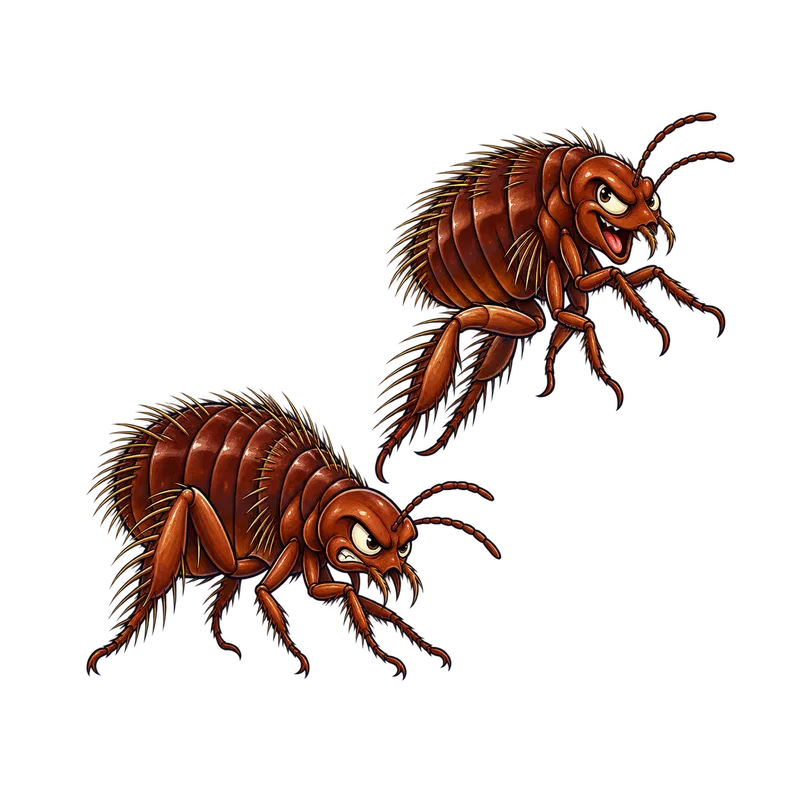
Flea eggs on dogs are addressed by coordinating veterinarian-guided treatments for every animal in the home with aggressive physical and chemical cleaning of the environment. Because these smooth, half-millimeter eggs easily slide off the fur and scatter where the dog rests, you must treat both the pets and your carpets, furniture, and bedding at the exact same time.
What is actually going on
You are sitting on the couch, giving your dog a casual scratch behind the ears, when you notice a scattering of tiny, pearlescent white specks tucked deep in their fur or resting on their favorite wool blanket. They look almost like grains of salt, far too small to be adult bugs, but your stomach drops because you know what usually comes next. Those little white ovals are flea eggs, and finding them means an adult population has already set up housekeeping on your animal and is currently treating your living room as a nursery.
Addressing flea eggs on dogs is not simply a matter of picking them off the animal or giving the dog a quick bath. Unlike other pests that get glued tightly to surfaces or hair shafts, flea eggs are completely smooth and unattached. The moment your dog scratches an itch, trots across the room, or curls up for a nap on the rug, those microscopic eggs simply slide off the fur and scatter into the environment.
This means you are dealing with a two-front battle. Only a tiny fraction of the total flea population actually lives on your dog at any given moment, while the vast majority of eggs, larvae, and resting pupae reside off the host in carpets, furniture seams, floorboard cracks, and pet bedding. Treating the dog alone with medication while ignoring the living room floor is like trying to empty a flooded basement with a teaspoon while leaving the garden hose wide open.
To break the cycle properly, you have to coordinate veterinarian-guided treatments for the animal with aggressive physical and chemical cleaning of the spaces where the dog spends time. If you miss the environmental side of things, those eggs hatch into blind, crawling larvae that feed on the dried blood flakes left behind by adult fleas, eventually spinning sticky cocoons that can wait out the winter until a passing pawstep wakes them up.
How to tell for sure
Spotting actual flea eggs usually requires good lighting and perhaps a magnifying glass, as individual eggs measure only about half a millimeter long and look like tiny, translucent grains of rice. You will usually find them concentrated where the dog rests most often, such as inside fabric dog crates, on cushions, along carpet edges, or sprinkled across favorite sleeping rugs.
People often mistake flea eggs for ordinary household dust, dandruff, or dry skin flakes, but a simple diagnostic test usually clears up the confusion. If you gather some of the dark, pepper-like debris that usually accompanies the eggs and place it on a damp white paper towel, true flea dirt, which is actually dried digested blood excreted by adult fleas, will dissolve and bleed into reddish-pink halos within a few seconds.
You should also keep in mind that not all fleas behave the same way. While the common cat flea accounts for the vast majority of dog infestations and scatters its eggs freely into the carpet, certain less common species like the stickfast flea do not fall off easily. Instead, these burrow their mouthparts firmly into the skin around a dog's ears or eyes and stay put, requiring physical removal rather than just a sweep of the vacuum.
It is also a mistake to try to diagnose a flea problem solely from skin bites or scratching on humans in the house. Bite reactions vary wildly from person to person depending on individual immune sensitivity, so a red mark on an ankle proves nothing on its own. Positive identification usually relies on finding the insects themselves, spotting the characteristic pepper-like droppings, or seeing the translucent eggs in the animal's coat.
What usually comes next
When you confirm that your dog has brought flea eggs into your home, your very first practical decision is to coordinate treatments across every single animal in the household at the exact same time. Leaving one cat or dog untreated turns that animal into a continuous breeding reservoir, pumping hundreds of new eggs onto your floors every day and neutralizing all the cleaning work you do in the rest of the house.
This means calling your veterinarian to select appropriate, safe parasite controls for every pet before you buy anything off a store shelf. Canine treatments often rely on active ingredients that are completely fine for dogs, but many standard dog products contain synthetic pyrethroids like permethrin that are severely toxic and frequently fatal to cats.
Once your veterinarian guides you on the right on-animal products, your next physical step is launching an aggressive cleaning routine focused on thermal and mechanical removal. Run all pet bedding, blankets, and soft toys through a hot water wash and a high-heat dryer cycle for at least thirty minutes, since sustained heat destroys eggs and developing larvae reliably. Follow this by vacuuming every square inch of carpet, rug backing, baseboard seam, and upholstered furniture.
Remember that vacuuming alone is only half the job because suction does not kill everything inside the machine. You must immediately empty the vacuum canister or seal the disposable bag inside a plastic trash bag and carry it out to an outdoor bin so the hatching insects cannot crawl right back out into your home.
When to get help
There are moments when a home cleanup and a standard veterinary spot-on treatment will not cut it, and you need to hand the problem over to professionals. If your dog develops severe allergic dermatitis, intense hair loss, open sores from constant scratching, or pale gums indicating anemia from heavy blood loss, stop trying home remedies and take the animal to a veterinarian immediately for prescription care.
You should also involve a professional pest control operator if you have thoroughly treated your pets and washed your home for four to six weeks and still find fresh fleas appearing. Persistent reinfestation usually points to hidden environmental reservoirs, such as heavy subfloor infestations, crawlspaces, or deep outdoor soil zones where larvae have burrowed out of reach of household vacuums and consumer sprays.
Finally, if you or anyone in your household suffers from unexplained skin infections, severe allergic reactions, or if you suspect your dog has contracted tapeworms from ingesting infected fleas during grooming, consult a healthcare clinician or veterinarian promptly. Professional guidance ensures that complex, stubborn infestations and related health risks are handled safely without exposing your family or your pets to improper chemical applications.