
How do you get rid of fleas in carpet?
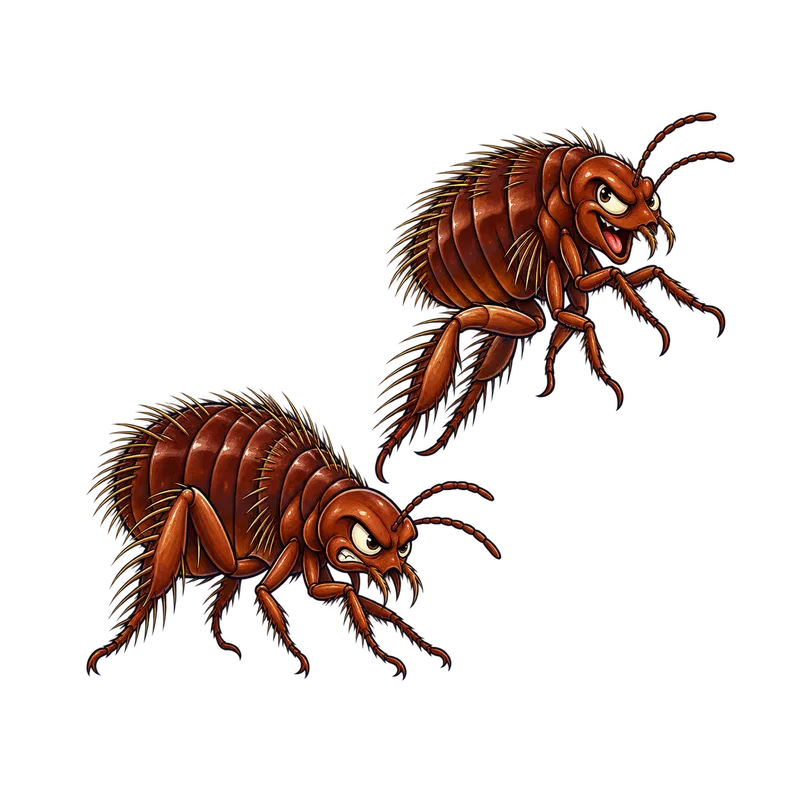
Getting rid of fleas in a carpet requires treating your pets at the same time you treat the house, thoroughly vacuuming to remove eggs and larvae, and applying targeted chemical treatments to break the life cycle. If your home has heavy infestations or if the fleas come from wild rodents, you should call a licensed pest professional.
What is actually going on
You walk across the living room carpet in your socks, and by the time you reach the couch, your ankles are covered in itchy red bites. You check the cat or the dog, and sure enough, they are scratching too. If you are dealing with a flea infestation in your carpet, you are not just fighting the bugs you can see jumping around. You are dealing with an entire hidden population living right beneath your feet.
Getting rid of fleas in a carpet is not something a quick pass with a vacuum cleaner or a single store-bought spray is going to fix. The reason is that adult fleas hopping on your pets or your socks are only the tip of the iceberg. More than 95% of the flea population in your home consists of eggs, larvae, and pupae tucked away deep inside the carpet fibers and backing.
Female fleas lay non-adhesive eggs on your pets, but those eggs quickly roll off like salt falling from a shaker, settling deep into the carpet pile. Once they hatch, the legless larvae crawl downward away from the light, feeding on organic debris and dried blood excreted by adult fleas, which is known as flea dirt. After that, they spin sticky cocoons coated in dust and debris that protect them from physical disruption and liquid sprays.
This means you are looking at a three-part problem that demands a three-part solution. You have to treat your pets at the same time you treat the house, disrupt the immature fleas hiding in the carpet through thorough mechanical cleaning, and apply targeted chemical treatments that can break the life cycle. If you miss even one of these steps, the survivors will bounce right back.
Before you start dragging furniture around or buying bottles of spray, make sure you actually have fleas. It is easy to assume every bite or crawling speck is a flea, but a mistaken identity means your efforts will be wasted on the wrong problem.
Fleas are tiny, usually measuring less than 4 mm in length. They are dark brown, wingless, and flattened from side to side, which helps them slip through pet fur and carpet fibers with ease. Their most famous feature is their powerful back legs, which let them leap up to 30 cm vertically or horizontally in a single bound. If you press a piece of clear sticky tape over a crawling bug on your carpet or baseboards and look closely, those physical traits usually give them away.
People often confuse fleas with bed bugs, but the two are shaped quite differently. Bed bugs are flattened from top to bottom like an apple seed, crawl rather than jump, and usually hang out near mattresses and bed frames instead of open carpet pile. If you are finding bites on your lower legs without any visible pets in the house, or if the insects you catch cannot jump, you might be dealing with rodent mites or another pest entirely. When you cannot be certain, trapping a few specimens on tape and showing them to a university extension agent or a pest control professional saves a lot of guesswork.
How to tell for sure
The main choice you have to make right now is whether you can manage this clean-up by yourself using a combined method, or if things have gotten bad enough to hand over to a licensed professional.
If you have pets indoors and catch the issue quickly, you can usually take care of it yourself. This means getting vet-approved anti-flea treatments for every dog and cat in your home on that exact same day. Treating your carpet while your pets remain unprotected means new eggs will drop onto the floor within hours, starting the whole cycle over again. Once your pets are treated, your next step is a deep, careful vacuuming of every inch of carpet, focusing heavily on baseboards, corners, and pet sleeping areas.
Vacuuming does two important things here. It pulls up loose eggs, larvae, and dried waste, but the physical movement and pressure also trick resting adult fleas inside their cocoons into thinking a host has walked by. They emerge from their cocoons and get sucked up or left exposed to any residual treatment you put down next.
Still, you need to decide if your schedule and energy fit the task. If your house has heavy infestations reaching down into subfloors, crawlspaces, or multiple rooms, or if the fleas are actually coming from wild rodents nesting inside your walls, store-bought carpet sprays will not work. That is when you should stop and call a licensed pest professional who has the right equipment and powerful products to break a stubborn cycle.
What usually comes next
There are times when treating a flea-infested carpet goes beyond a simple weekend project and calls for outside help. You ought to bring in a licensed pest management professional if your carpet treatments do not work after a couple of weeks, if the problem seems linked to wild rodents or birds instead of family pets, or if you live in an apartment building where shared walls make single-unit treatments useless. Professionals can use specialized residual insecticides and insect growth regulators that require specific licensing and compliance with safety laws.
When to get help
Regarding human health, flea bites create very itchy red bumps, usually clustered around the ankles and lower legs. If constant scratching breaks your skin, it can lead to secondary bacterial infections. If you see signs of bad skin swelling, spreading redness, or pus near the bites, speak with a doctor or head to an urgent care clinic right away.
Remember that fleas can also carry other problems. Small children playing on dirty carpets might accidentally swallow infected fleas, which can pass along tapeworms. If you suspect an infection or parasite issue, or if you have concerns about pesticide exposure from treating your living space, reach out to a medical professional or your local poison control center immediately.