
What do human flea bites look like?
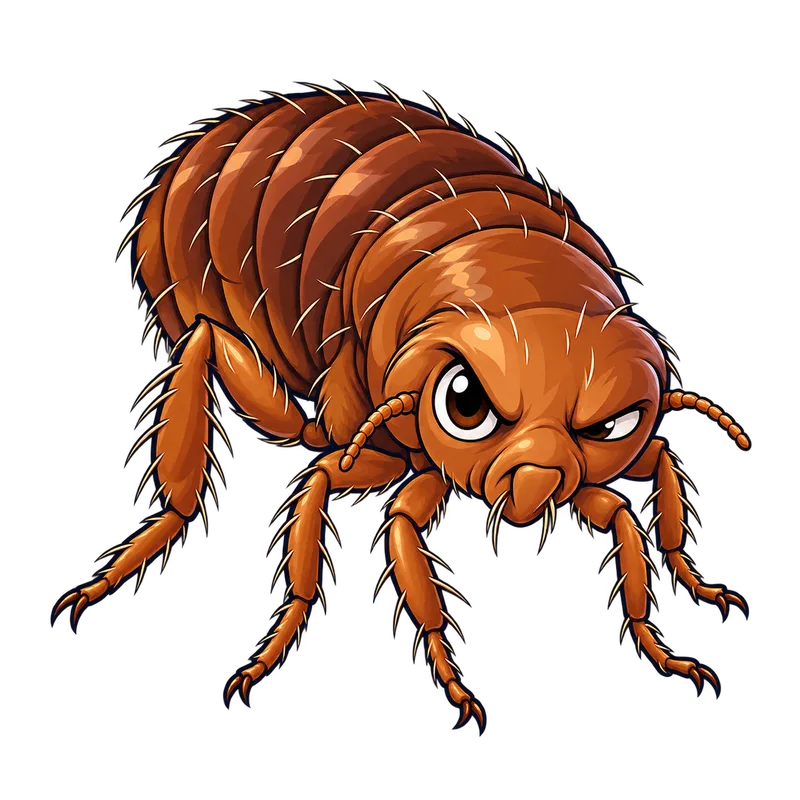
Human flea bites typically look like small, red, intensely itchy marks or raised hives that appear mostly on your lower legs and feet. The exact appearance of these skin lesions varies wildly based on your individual immune sensitivity to the insect saliva.
What is actually going on
You walk into your living room after a long trip, step onto the rug to drop your bags, and five minutes later, your ankles start burning. You look down and see a cluster of angry little red spots. If this is happening to you, human flea bites typically look like small, red, intensely itchy marks or raised hives that pop up mostly on your lower legs and feet. It is a classic welcome-home present from insects that have been waiting patiently under the floorboards while the house was empty.
Those tiny red dots are not actually caused by the flea biting into you just for sport. Adult fleas are parasites that need vertebrate blood to survive and reproduce. When a flea lands on your skin, it injects a bit of saliva containing proteins that keep your blood from clotting while it feeds. Your immune system recognizes those foreign proteins immediately and launches a defense. That allergic reaction is what creates the red spot, the surrounding halo of irritation, and the maddening itch.
The reason those bites almost always target your ankles and shins comes down to simple physics. Most household flea infestations start with the family cat or dog, but the adult fleas spend a lot of time living in carpets, rugs, and floor cracks. They do not have wings, but they do have massively oversized hind legs built for leaping. An adult flea can jump vertically up to 30 cm, which is roughly the length of a standard school ruler. When you walk across an infested room, the vibrations trigger them to jump, and your ankles are simply the first warm targets they reach.
This explains why people often experience what feels like a sudden explosion of bites after moving into a new apartment or returning from a vacation. Flea pupae can stay dormant inside their silken cocoons for weeks or even months, waiting for the right cues. The moment they sense body heat, carbon dioxide, or floor vibrations from a new occupant, thousands of adult fleas emerge simultaneously. You are suddenly dealing with a coordinated mass feeding frenzy that seems to appear out of nowhere.
How to tell for sure
People love to take a photo of a mysterious red bump, post it online, and ask for a definitive diagnosis. The hard truth is that you usually cannot tell what bit you just by looking at the skin. Your neighbor might get a massive, swollen hive from a single flea bite, while you might barely react at all to half a dozen. Medical authorities and extension entomologists agree that skin lesions vary wildly based on individual immune sensitivity, not the species of the insect.
If you want to know for sure whether you are dealing with fleas, you usually have to look for physical evidence of the insects themselves rather than studying your rash. Cat fleas, which are the culprits behind the vast majority of household infestations, are tiny brown insects measuring less than 4 mm long, roughly the size of a sesame seed. They are laterally flattened, meaning they look pinched from the side, which helps them maneuver easily through thick pet fur or carpet fibers.
Contrast that with other common biting pests, and the picture becomes clearer. Common bed bugs are larger, roughly the size of an apple seed, and they crawl rather than jump. Because they crawl up onto beds, bed bug bites tend to appear on parts of the body left exposed during sleep, such as the face, neck, shoulders, and arms. If your bites are sitting above your socks and below your knees, and your ankles look like a dartboard, fleas become the prime suspect.
There are also exceptions to the ground-level rule depending on your geography and lifestyle. In parts of the southern United States or rural Australia, backyard chicken coops have popularized the stickfast flea. Unlike common cat fleas that jump away after a quick meal, stickfast fleas permanently anchor their mouthparts directly into the skin of hosts and can stay attached for up to 19 days. If you find tiny dark specks firmly stuck to the skin around your ankles or hands after handling poultry, you are usually looking at attached stickfast fleas rather than jumping cat fleas.
What usually comes next
Once you realize you are dealing with fleas, your next move needs to focus on breaking the life cycle rather than just treating your skin. Treating the bites will bring temporary relief, but if you do not address the source in your carpets and pet bedding, the biting cycle will start over tomorrow. You need to inspect your pets, wash their bedding in hot water, and vacuum your floors thoroughly to suck up eggs, larvae, and dormant pupae.
If you do not own pets and have never had animals in the house, do not rule fleas out immediately. Wildlife like mice, rats, or stray animals nesting in a crawlspace or attic can drop flea eggs that eventually find their way into your living spaces. When the primary animal host leaves or dies, hungry fleas turn their attention downward toward human residents.
Treating the active bites on your skin requires keeping first aid simple and gentle. Wash the area with mild soap and water to keep the skin clean, and apply a cold compress or ice pack to bring down the swelling. Over-the-counter anti-itch lotions like calamine or oral antihistamines can help manage the discomfort. The single most important rule to follow is resisting the urge to scratch. Breaking the skin barrier with your fingernails invites bacteria in, turning a simple itchy bump into a painful secondary bacterial infection.
When to get help
Most flea bites heal on their own within a few days, but certain symptoms mean it is time to bring in outside help. You should consult a clinician or visit an urgent care center if your bite sites show signs of a secondary bacterial infection. Watch for spreading redness, increased warmth, pus, worsening pain, or red streaks extending away from the bite.
Seek emergency medical attention immediately if you experience a severe systemic allergic reaction. Warning signs of a serious allergy include generalized hives spreading across your body, swelling of the lips, tongue, or face, difficulty breathing, wheezing, or dizziness.
If you are unsure about the identity of the pest, avoid guessing with heavy chemicals. Collect physical specimens using clear packing tape pressed gently over crawling insects, or use a vacuum sample, and take them to a university extension service or a licensed pest management professional for proper verification. When an infestation is severe or widespread across a structure, complex treatments and pesticide applications belong strictly in the hands of a licensed applicator regulated by local environmental and agricultural agencies, and all products must be used exactly as directed on the manufacturer label.