
Do flea sprays work indoors?
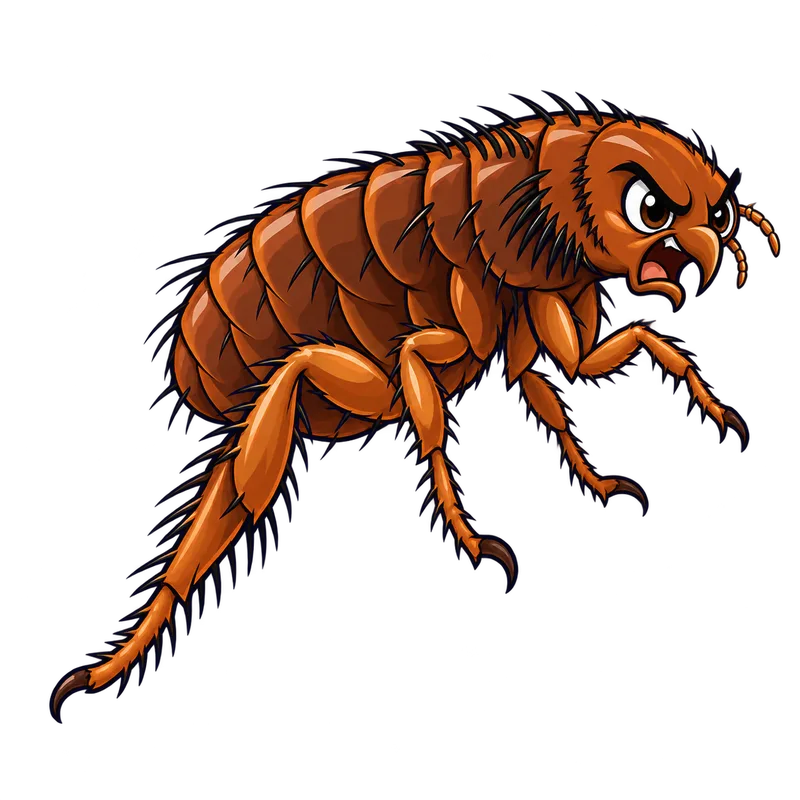
Indoor flea sprays do work when you apply them correctly to carpets and pet resting spots to knock down adults and stop larvae. Success depends on treating your pets on the same day and vacuuming beforehand to trigger dormant pupae to hatch, because liquid pesticides cannot penetrate those sealed cocoons.
What is actually going on
You are walking across the living room in your favorite socks, only to glance down and spot a tiny, dark speck launching itself toward the baseboard. Before you even reach for the can of surface spray under the sink, you wonder if picking up that aerosol is actually going to solve the problem or just make the room smell like a chemical plant for the rest of the afternoon.
Indoor flea sprays do work, but only if you understand what they are designed to touch. Sprays formulated with adulticides and insect growth regulators can successfully knock down active adult fleas and stop immature larvae from developing on household surfaces. When you apply them correctly to carpets, area rug undersides, and pet resting spots, they leave behind a residual chemical film that keeps working for several weeks.
The catch is that a spray only reaches what is sitting out in the open or buried just beneath the surface fibers. Fleas do not live their entire lives cruising around where you can see them. They go through a four-stage life cycle, and one of those stages acts like an armored bunker that liquid pesticides simply cannot penetrate.
That is why relying on a spray alone often leads to deep frustration. If you treat the floors while the dog or cat is still walking around shedding fresh eggs every single minute, you are essentially trying to bail out a leaking boat while the garden hose is still running inside it.
Before you start treating the entire house, you need to make sure you are actually dealing with cat fleas rather than something else entirely. Cat fleas are the species most commonly found indoors, usually measuring less than four millimeters long, reddish-brown to dark brown, and shaped with a flattened body that lets them slip right through pet fur.
You will usually spot them first by watching your pets scratch themselves raw, or by noticing small, itchy red bites clustered around your own lower legs and ankles. If you want to confirm what you are looking at, you can usually find small dark specks in pet bedding or carpet fibers, which are digested blood droppings left behind by adult fleas. Larvae feed on these organic floor debris and dried adult blood droppings, which act like a packed lunch left behind in the carpet pile.
One common doubt people have is whether seeing a live flea a week after spraying means the product is completely useless. That usually is not the case at all. Fleas spend part of their lives wrapped inside sticky silken cocoons that act like waterproof raincoats against liquid sprays.
Those dormant pupae can sit quietly for days or weeks until vibrations and warmth tell them a host is nearby. When they hatch a week after your initial treatment, they are not proof that the spray failed. They are just new adults emerging from cocoons that were completely sealed when you applied the chemical. This pupal window is a completely normal biological phase rather than an indicator of pesticide resistance.
How to tell for sure
Your main practical choice boils down to committing to a full cleanup routine instead of just waving a spray can at the living room rug. If you decide to use an indoor flea spray, it has to fit into a synchronized plan that includes your pets and your vacuum cleaner. Every product must be used strictly according to the pesticide label, which is a legally binding document under federal and state rules.
Start by treating all the dogs and cats in the house on the exact same day using veterinarian-approved topical or oral treatments. If you leave the animals unprotected, they will keep dropping fresh eggs onto the floor faster than any surface spray can kill the adults.
Next, vacuum every square foot of your carpets, rugs, and upholstered furniture before you apply any liquid. This mechanical step does two critical jobs: it pulls up organic debris and larval food sources, and it sends vibrations through the floor that act like an alarm clock, tricking dormant pupae into hatching early so they crawl out into the chemical treatment you are about to lay down.
Once the vacuuming is finished, empty the canister or bag right into a sealed plastic bag and toss it straight into an outdoor trash can. Leaving those captured pests sitting inside your kitchen trash bin is a great way to invite them right back out into the open.
What usually comes next
There are times when a weekend spray and a thorough vacuuming simply will not cut it, and you need to bring in outside help. If you live in an apartment building or a multi-family complex where fleas are migrating between shared walls or neighboring units, managing individual rooms on your own will rarely stop the cycle.
You should also hand the problem over to a licensed pest management professional if the infestation persists past three or four weeks despite simultaneous pet treatments, rigorous vacuuming, and proper surface spraying. Stubborn populations often point to hidden harborages in subfloors, crawlspaces, or wall voids that require specialized equipment to reach. When dealing with outdoor poultry pests like stickfast fleas, standard indoor sprays are useless because those particular insects remain attached to the skin of chickens, requiring completely different coop management and concrete flooring modifications rather than household carpet treatments.
When to get help
Flea bites can cause intense itching, allergic dermatitis, and secondary skin infections from excessive scratching. Never try to diagnose skin lesions or prescribe medical treatments yourself. If you or someone in your home develops severe swelling, infected bite sites, or other acute medical symptoms, reach out to a qualified clinician, an urgent care center, or your local poison control authority right away.