
When should a vet be involved in a flea problem?
A veterinarian should be involved right at the outset of any flea problem because the insects living on your pet are only a fraction of the total population. You need professional care immediately if your animal shows signs of flea anemia, develops severe skin infections, or passes tapeworms.
What is actually going on
Picture walking into a living room you thought was entirely empty, perhaps a summer cabin you have not visited since autumn or a house left vacant for a few weeks between tenants. The moment your bare foot hits the carpet, a dozen tiny insects seem to materialize out of thin air, leaping toward your ankles with dizzying speed. It feels like an overnight invasion, but those pests have actually been waiting patiently below the surface.
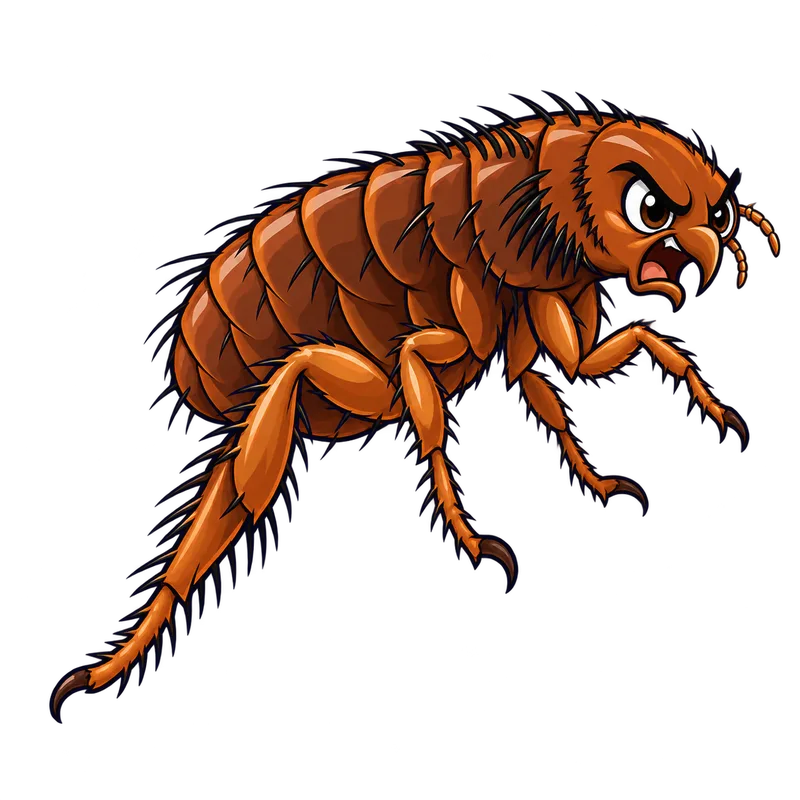
A veterinarian should be involved right at the outset of any flea problem because the insects living on your pet are only a fraction of the total population. Domestic dogs and cats serve as the primary host and biological amplifier for the cat flea, which is an oval, wingless, laterally compressed insect under 4 mm long and capable of jumping up to 30 cm. Female cat fleas feed continuously and can lay up to 25 eggs per day for a month under ideal conditions. Those eggs do not stay glued to the animal. They fall off into pet bedding, carpets, and floor crevices as the animal moves around the house.
While you can vacuum the floors and wash blankets, you cannot safely prescribe or administer the systemic medications needed to break the reproductive cycle on the animal itself. A vet evaluates the pet's overall health, chooses species-appropriate treatments that will not cause accidental toxicity, and diagnoses secondary issues like skin infections or tapeworms. Attempting to clear an entrenched infestation with store-bought sprays while ignoring the living reservoirs on your animals usually leads to endless frustration and repeated outbreaks.
How to tell for sure
Before calling a clinic or buying treatments, you need to confirm what you are dealing with. It is a common mistake to assume a pest is present just because someone in the house is itching, as bed bug bites, mite reactions, and contact allergies can present identically on human skin. Definitive identification usually requires finding physical evidence on the animal or in its environment.
Look closely at your pet's bedding or coat using a fine-toothed comb. You are usually searching for two distinct signs: tiny white oval eggs and dark, reddish-black specks known as flea dirt, which are actually dried, regurgitated blood meals excreted by adult fleas. If you place those dark specks on a damp white paper towel, they typically dissolve and smear red as the digested blood rehydrates. You might also spot the wingless adults moving rapidly through the fur.
Keep in mind that not all fleas hop around. If you keep backyard poultry or have pets that interact with chickens, you might encounter the stickfast flea. Unlike the cat flea, the adult stickfast flea burrows its mouthparts directly into the host skin around the head, comb, and wattles, remaining firmly attached in place for up to 19 days. People frequently mistake them for ticks or strange skin growths because they do not jump away when touched.
What usually comes next
Once you decide to tackle the problem, the most practical step is to treat every household pet simultaneously while cleaning the living space methodically. If you have two cats and a dog, treating only the one animal that is scratching leaves the others as unmedicated breeding sites, turning your home into a perpetual reinfestation loop.
Take your animals to a veterinary clinic to get properly dosed, species-specific products. Never attempt to use canine treatments on felines, as certain active ingredients that are safe for dogs can cause fatal toxicity in cats. While the veterinarian handles the host-targeted side of things, your job is to disrupt the environment. Vacuum carpets, rugs, baseboards, and upholstered furniture thoroughly to pick up organic debris and developing larvae. Larvae feed on that debris and flea dirt before spinning sticky cocoons covered in dust and debris to pupate.
After you finish vacuuming, immediately seal and dispose of vacuum cleaner bags, or empty canisters directly into sealed outdoor trash containers, so the collected pupae and larvae cannot crawl back out into your home. Wash all pet bedding, blankets, and removable furniture covers in hot water and run them through high heat drying cycles. If your property includes backyard poultry, consider installing concrete or impervious flooring in coops to prevent stickfast flea larvae from burrowing into dirt floors to pupate.
When to get help
Some situations move past the point of a routine household cleanup and require professional intervention. You should seek immediate veterinary care if your pet exhibits severe scratching that leads to red, inflamed, oozing, or foul-smelling skin patches, or if young puppies, kittens, or elderly animals show signs of flea anemia such as pale gums, lethargy, and weakness. You also need a vet if you spot white, motile, rice-like tapeworm segments in the pet's feces or around the rectum, which indicate that the animal has ingested fleas carrying the parasite Dipylidium caninum.
Human medical attention is necessary if scratched flea bites develop secondary bacterial infections with pus and severe swelling, or if you experience unexplained systemic symptoms like fever or headache after clearing out a rodent-infested structure where rodent fleas might have transmitted murine typhus.
Finally, bring in a licensed pest control professional if flea pupae continue to emerge three to four weeks after you have thoroughly treated all pets and maintained regular vacuuming, or if large populations are breeding uncontrollably in damp crawl spaces, subfloors, or sandy shaded outdoor soil where pets rest.