
How do you check pet bedding for fleas?
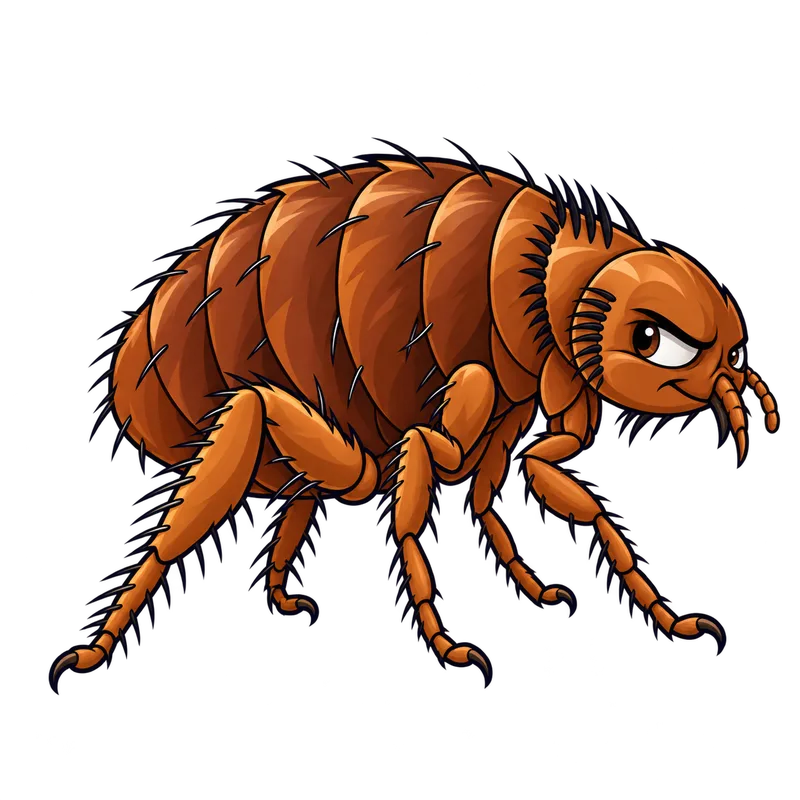
To check pet bedding for fleas, move the bed onto a hard surface under bright light and bend back the fabric seams to inspect for white flea eggs and dark flea dirt. You can confirm flea dirt by placing dark specks on a moistened white paper towel to see if they bleed a reddish-brown halo.
What is actually going on
Picture walking into the living room on a quiet Tuesday evening and noticing your dog scratching behind his ears with sudden, frantic energy. You glance over at his plush fleece bed in the corner, wondering if it has quietly turned into an apartment complex for tiny biting insects. Checking pet bedding for fleas is not just about spotting a stray bug racing across the fabric. Most people assume that if they do not see live insects crawling around the cushion, the bed is clean, but adult fleas represent only a tiny fraction of the total population hiding in your home.
The vast majority of a flea population exists off the host animal, scattered as eggs, larvae, and pupae right where your pet sleeps, rests, and grooms. Adult female fleas feed on host blood and drop non-sticky, oval eggs directly into the fur, which quickly roll off and accumulate inside blanket folds, crate pads, and mattress seams. If you look closely at a heavily used pet bed, it can sometimes resemble a kitchen counter where someone accidentally tipped over a salt and pepper shaker. The white specks are tiny flea eggs, and the dark, comma-shaped specks are flea dirt, which is actually dried, digested blood excreted by adult fleas.
How to tell for sure
You cannot rely on a casual glance to confirm what is lurking in the fabric. Start by moving the pet bed onto a hard, non-carpeted surface or a white sheet under bright, direct light or a focused flashlight. Grab the edges and bend back the heavy fabric piping, check zippers, and run your fingers deep down into the seam folds like you are looking for lost coins between couch cushions.
When you find dark, pepper-like granules tucked away in those corners, do not assume it is just ordinary household dust or garden dirt. You need to use the wet paper towel test to know for sure. Take a few of those dark specks and place them onto a moistened white paper towel or coffee filter. If the specks are just plain soil or sand, they will stay solid and black. If they are flea dirt, the dried blood will usually solubilize and bleed out a distinct reddish-brown or rusty halo, much like a drop of watercolor paint spreading across wet paper.
If you want to catch live specimens, you can also try walking slowly around the pet resting area wearing clean, high-top white cotton socks. The combination of your body heat, physical vibration, and movement will often trigger newly emerged adult fleas in nearby floor cracks to jump onto the fabric, where their dark bodies stand out sharply against the white background.
What usually comes next
Once you confirm the presence of flea dirt or live insects in the bedding, you have to make a practical decision about how to handle the laundry. Shaking out or beating the pet bed outside might make you feel productive, but it usually just scatters microscopic eggs and larvae into your yard or patio, where they will hatch and find their way back inside.
Instead, you need to use thermal sanitation. Wash all removable pet bed covers and inner cushions in hot water and tumble dry them on high heat for at least thirty minutes. Exposure to high temperatures provides a reliable thermal lethal dose that usually kills eggs, larvae, pupae, and adults in one go. If you have a large memory foam mattress that will not fit into a standard washing machine, you may need to use a dry steam wand along the seams or seal the item in a heavy plastic bag for an extended period.
Keep in mind that cleaning the bed alone will rarely solve the problem. Because adult fleas spend most of their time living on the animal, treating the bedding while leaving your dog or cat unprotected is a losing battle. You will need to pair your household cleaning routine with a veterinarian-approved flea preventative for your pet. If you share your home with felines, pay close attention to product labels. Permethrin and certain synthetic pyrethroids are widely used in dog treatments and structural premise sprays, but they are highly toxic and potentially fatal to cats due to their unique metabolic system. Never use dog-specific products or dog-formulated premise treatments on or near cat bedding.
When to get help
There are moments when a do-it-yourself laundry routine and a trip to the pet store are simply not enough. If your puppies, kittens, or senior pets are showing signs of severe scratching, hair loss, pale gums, or lethargy, consult a licensed veterinarian right away, as heavy flea infestations can cause dangerous blood loss or transmit internal parasites like tapeworms. Human family members who develop intensely itchy bumps or hives from bites should monitor the skin closely, as excessive scratching can break the barrier and lead to secondary bacterial infections.
You should also bring in a licensed pest management professional if environmental flea populations persist in your carpets and baseboards despite a month of consistent host treatments and thorough bedding sanitation. Stubborn infestations often require commercial equipment and specialized knowledge to break the life cycle across an entire household.