
What attracts skunks to bird seed?
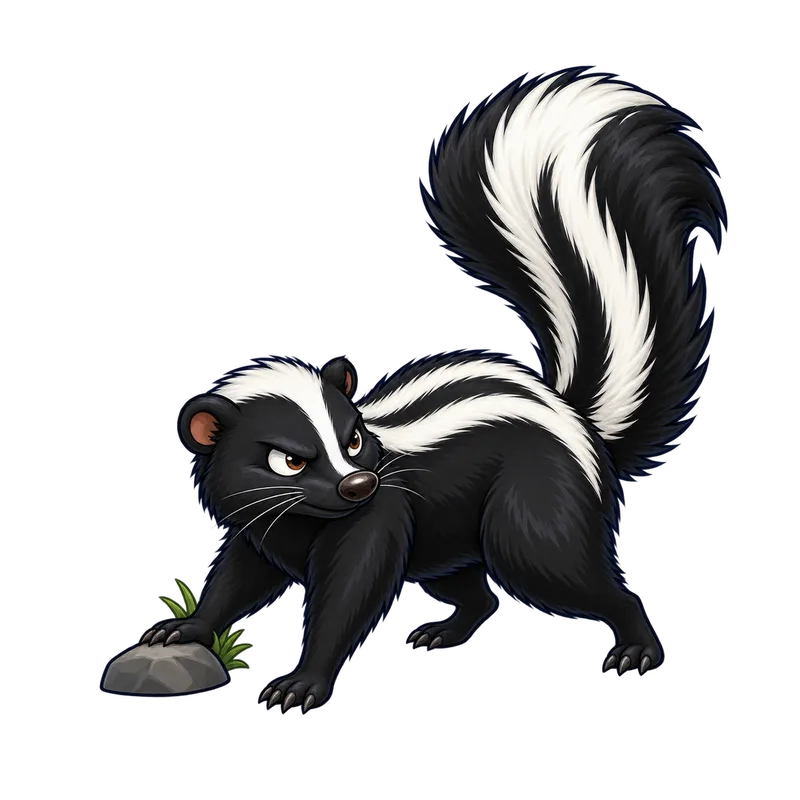
Wild bird seed attracts skunks because spilled sunflower chips, millet hulls, and suet crumbs provide a calorie dense feast with very little effort. The messy feeding area also draws in grubs, beetles, mice, and voles, giving skunks both plant and animal proteins in one spot.
What is actually going on
Picturing that quiet morning on the back deck with your coffee, only to spot a patch of turf completely turned upside down like someone took a garden fork to it, usually leads to blaming a neighbor's dog. But if there is a bird feeder dangling nearby, you are likely looking at the aftermath of a midnight visit from a skunk. These nocturnal omnivores have a serious weakness for the calorie-dense feast that accumulates underneath a busy feeding station. Wild bird seed spilled from elevated feeders creates a concentrated, ground-level feeding site that demands very little effort compared to digging for insects in hard-packed dirt.
Think of that messy carpet of sunflower chips, millet hulls, and suet crumbs as an all-you-can-eat buffet left open all night. Beyond the seeds themselves, a messy feeding area alters the local backyard habitat. The accumulating organic debris, damp hulls, and dropped shells attract mice, voles, and soil insects like beetles and grubs. Skunks happen to love grubs and small vertebrates, meaning your bird feeder zone quickly becomes a dual-purpose attraction offering both plant and animal proteins.
Once animals figure out a reliable food source like this, their daily routines change. They stop ranging widely across the neighborhood for meals and instead anchor their nightly paths right next to your back door. Is it any wonder they keep coming back when the dinner bell rings in the exact same spot every single evening?
How to tell for sure
When you realize a skunk has made your bird feeder its personal dining room, your first practical move is sanitation and habitat modification. You have to break the daily routine that brought the animal into your yard in the first place, and that means dealing with the seed. The most effective step is to take down your wild bird feeders completely for a few weeks, forcing any visiting foragers to look elsewhere for sustenance.
If you simply cannot part with your backyard birds, you need to change how you manage the fallout. Install wide catch-trays beneath elevated feeders to minimize spills, and make a habit of sweeping or vacuuming fallen hulls off the ground daily before sunset. Never leave feeders hanging overnight, and store bulk bird seed, pet food, and lawn grass seed indoors inside heavy-duty metal containers secured with tight-fitting or locking lids. If skunks have started checking out the spaces beneath your porch, deck, or shed, you need to think about physical exclusion rather than static gadgets or chemical tricks. Install heavy-duty hardware cloth around the base of low structures, and bury that wire mesh at least six inches underground to keep animals from digging underneath.
What usually comes next
Before you start tearing up the backyard or setting out deterrents, you need to know what you are actually dealing with. A photograph of a torn-up lawn or a vague description of a mark on the ground is never enough for a confident pest identification, and you should usually look for physical clues like tracks and scat. Skunk tracks are fairly distinct if you catch them in damp soil, mud, or a fresh dusting of snow. They feature five toes on both the front and hind feet, almost always accompanied by visible claw marks and a clear heel impression.
You can usually tell skunk tracks apart from other backyard visitors by counting the toes and looking at the layout. Rodents like mice and squirrels typically show four toes on their front feet and five on the hind feet, while dogs, foxes, and coyotes show four toes front and back with oblong pads and sharp claws. Raccoons also have five toes, but their front prints look remarkably hand-like with a distinct pad bulge right before the toes. If you want to be certain without staking out the yard in the dark, you can try a simple non-invasive monitoring trick. Dust a thin layer of smooth fine soil or tracking flour around the base of the feeder post overnight. In the morning, check for those five-toed impressions.
When to get help
While most backyard wildlife encounters can be managed with basic sanitation and exclusion, there are times when you need to step back and let professionals handle the situation. If you spot a skunk foraging during broad daylight with a disoriented gait, unprovoked aggression, paralysis, or a strange lack of fear, these are classic signs of rabies or distemper. Skunks are a primary rabies vector species in North America, and the virus spreads through direct contact with saliva or nervous system tissue via bites, scratches, or contact with open mucous membranes.
If a human or a domestic pet experiences a bite, scratch, or direct contact with a skunk, do not attempt to capture or handle the animal yourself. Immediately wash any wounds thoroughly with soap and clean water, and get the victim straight to a medical clinician, urgent care facility, or local public health authority for post-exposure evaluation. You should also contact your local animal control agency or state public health veterinarian right away to report the incident. Beyond disease concerns, you should call in a licensed wildlife control operator or local animal control agency if a skunk has established an active den directly underneath your home or commercial structure.