
Why do skunks smell so bad?
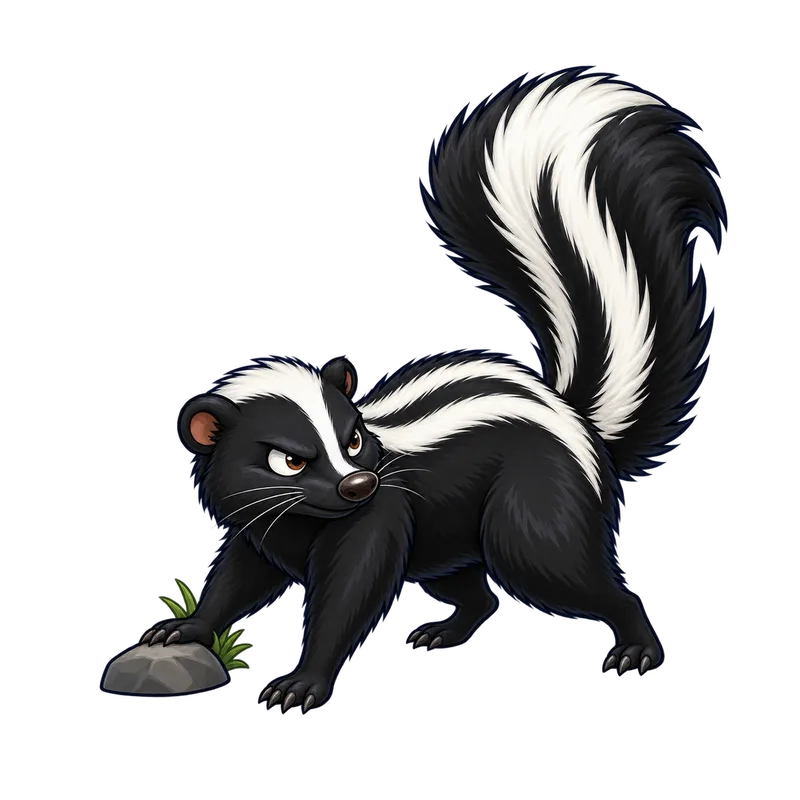
Skunks smell so bad because they carry specialized anal scent glands beneath the base of their tail that store an oily liquid loaded with sulfur compounds. When they feel cornered or threatened, they forcibly eject this noxious fluid as a survival defense mechanism.
What is actually going on
You walk out onto the back porch on a crisp Tuesday morning, coffee mug in hand, and catch a whiff of something profoundly offensive. It is thick, oily, and unmistakably pungent, hanging in the air like an invisible wall. You immediately wonder if a neighbor is burning old tires, but deep down, you know the truth. A skunk has paid a visit to your yard overnight.
Skunks smell so bad because they carry a built-in defense mechanism that makes modern chemical weapons look polite. Beneath the base of their tail, they possess specialized anal scent glands that store a volatile, oily liquid loaded with sulfur compounds. When a skunk feels cornered, threatened, or startled by a loose dog or an unsuspecting midnight jogger, it aims with surprising accuracy and forcibly ejects this noxious fluid.
You might wonder why evolution would design such an obnoxious trait. The answer is simple survival. Skunks are small, slow-moving mammals that lack the speed to outrun a coyote or the climbing agility of a raccoon. Their potent spray causes temporary blinding, intense nasal irritation, and immediate nausea in any predator foolish enough to ignore their warning stomp. It is an evolutionary deterrent so effective that most animals learn after just one encounter to give a black-and-white tail a very wide berth.
How to tell for sure
Before you start blaming every odd smell or torn-up patch of grass on a skunk, it helps to look for actual evidence. You usually find out you have a skunk around through a combination of visual signs, tracks, and occasional yard damage.
Start by looking at the physical visitor if you happen to spot one at dusk. A striped skunk usually shows a prominent black coat with two wide white stripes running from its head down to a bushy tail.
When you find footprints in the garden soil or mud, look closely at the toes. Skunk tracks show five toes on both the front and hind feet, usually with sharp claw marks extending well ahead of the toe pads and a broad heel impression on the hind footprint. This distinct print usually separates them from cats, which show only four toes without claw marks, and rodents, which typically show four toes on their front feet.
You might also find small, cone-shaped holes dug into your lawn. Skunks dig these shallow pits when they are hunting for grubs and beetle larvae beneath the turf. If you spot tubular droppings containing undigested insect wings or fur, you are likely looking at skunk scat. Just remember to stay upwind and never poke through animal droppings with your bare hands, as they can carry unwanted bacteria and parasites.
What usually comes next
Once you confirm you are dealing with a skunk rather than a neighborhood cat or a raccoon, you have to decide what to do about it. The most practical decision you can make is to stop focusing on quick fixes and start focusing on exclusion.
Homeowners often waste time and money on ultrasonic noise makers, bright lights, or commercial repellents sprinkled around the deck. While these tricks might offer a couple of days of relief, animals quickly figure out that a flashing light or an unfamiliar smell poses no actual threat.
Instead, treat your yard like a fortress against uninvited roommates. Bring in any leftover pet food from the porch the moment your cat or dog finishes eating. Secure your garbage cans with heavy-duty locking lids so you are not running an all-night diner for local wildlife.
If a skunk has already moved in beneath your porch, shed, or deck, you need to block its access permanently. Install heavy-gauge wire mesh around the base of the structure, burying the bottom edge ten to twelve inches into the soil in an L-shape to stop the animal from digging back underneath. Do not seal the opening until you are completely certain the animal has left, otherwise you risk trapping a mother and her young beneath your floorboards.
When to get help
There are moments when a do-it-yourself approach is simply the wrong choice, and you need to hand the situation over to someone else. If you notice a skunk wandering around your yard in broad daylight acting disoriented, staggering, or showing a total lack of fear around humans, treat it as a suspect rabies vector. Skunks are primary wildlife reservoirs for the rabies virus, and any animal showing these neurological signs should be left strictly alone.
You should also call a licensed wildlife control operator or local animal control officer if skunks have taken up residence in an inaccessible crawlspace or if you need them safely evicted during the spring nursing season. Attempting to trap and relocate a wild animal yourself is often illegal without specific state permits, highly stressful for the animal, and generally discouraged because it simply moves the problem to someone else's property.
If the worst happens and a pet or a human suffers a direct bite or saliva contact from a skunk, do not wait. Wash the wound immediately and thoroughly with plain soap and water, and contact a physician or local public health authorities right away to evaluate whether you need post-exposure medical treatment.