
Why might carpet beetles appear in a car?
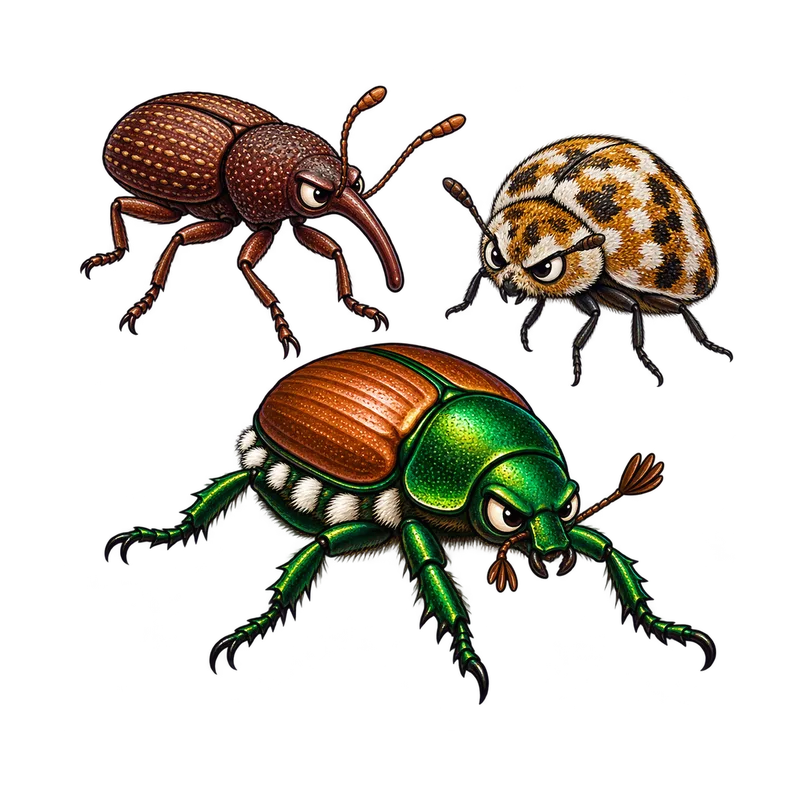
Carpet beetles appear in a car because the vehicle cabin acts as a mobile buffet filled with hidden organic debris. Adult beetles hitch a ride on clothes or pets or fly in through open windows, then pregnant females lay eggs in dark crevices so their larvae can feed on keratin, pet hair, and food scraps.
What is actually going on
You toss your gym bag into the backseat, grab a handful of fries on the way to work, and occasionally haul the family dog to the park. It feels like an ordinary commute machine until one sunny afternoon you glance at the dashboard and spot a tiny, oval-shaped bug crawling lazily toward the windshield. Worse yet, you reach under the floor mats to shake out some grit and find a cluster of fuzzy, brownish crawling things along with what looks like tiny, translucent insect husks. Why on earth are carpet beetles turning up in a car?
The short answer is that your vehicle cabin is basically a mobile buffet wrapped in steel and glass. Adult carpet beetles are outdoor flyers that feed on flower pollen, but they frequently hitch a ride inside on your clothes, pets, or fresh grocery greens, or simply fly in through an open window during warm weather. Once inside, pregnant females sniff out dark, undisturbed crevices. They are not looking to colonize your dashboard for the view. They want a safe place to lay eggs where their offspring can gorge on the hidden bounty of organic debris accumulating beneath your seats.
What are the larvae eating, exactly? Carpet beetle larvae have a specialized digestive system capable of breaking down complex animal proteins, specifically the keratin found in wool carpets, leather upholstery, felt insulation, fur, and feathers. But you do not need a vintage car trimmed in horsehair for them to move in. Modern cars collect a staggering amount of human skin dander, shed pet hair, dead insects trapped in dashboard vents, and spilled food scraps wedged deep between seat cushions. Larvae will happily chew through synthetic polyester or nylon seat fabric if those surfaces are stained with body oils, milk drops, or grease just to reach the organic crumbs trapped underneath.
How to tell for sure
Before you start tearing your interior apart, you need to make sure you are actually looking at carpet beetles and not some other stray garage bug. Adult carpet beetles are usually small, measuring about one-eighth to one-quarter of an inch long. Some species are solid black, while others feature intricate patterns of white, yellow, and brown. You will usually spot these adults out in the open, crawling across the dashboard or near side windows because they are naturally attracted to sunlight.
The larvae are a different story altogether. They tend to be photophobic, which means they actively avoid light and stay buried deep in the dark. These larvae are carrot-shaped or stubby, covered in tiny bristly hairs, and usually measure between three and 10 millimeters long. If you look closely with a magnifying glass, you might notice long tufts of hair near their tails.
You will also usually find their cast skins, which are hollow, translucent husks left behind as the larvae molt and grow. People often mistake these shed skins for living bugs, but they are just empty ghost shells. You might also spot fine, salt-grain-sized fecal pellets tucked into the carpet fibers. Remember that only the larvae cause feeding damage to fabrics and debris. If you only see flying adults near the windows, they are just passing tourists looking for a way back outside to the flowers, but they might have already left eggs behind in the upholstery.
What usually comes next
Once you confirm you have an infestation, you have to make a practical decision about how deep your cleaning needs to go. If you just spray a random household cleaner on the surface and call it a day, the larvae hidden underneath the seat tracks and inside the trunk lining will keep right on chewing.
The most effective first step is a thorough mechanical deep clean, which usually means pulling out every removable floor mat, sliding the seats all the way forward and backward, and breaking out a narrow crevice vacuum tool. You need to snake that vacuum hose into every seat seam, fold, molding edge, and glove box, and do not forget to check the spare tire well in the trunk. The moment you finish vacuuming, take the vacuum contents straight outside and toss them into a sealed outdoor trash bin so the pests cannot crawl right back out into your garage.
If you have removable wool floor mats, heavy wool seat covers, or blankets that show signs of damage, you can kill all life stages by sealing them tightly in heavy plastic bags and tossing them into a deep freeze for 48 to 72 hours. Let the items warm back up slowly inside the sealed bag before you bring them out to prevent condensation from soaking the fabric.
When to get help
There are moments when a weekend detailing session is simply not enough, or when chemical handling crosses into territory best left to the pros. If you have tried deep vacuuming and thermal treatments and still keep finding live larvae crawling out from the upholstery, you might need to call a licensed pest control operator. This is especially true if you are dealing with a valuable classic car with original, irreplaceable wool and leather interiors where aggressive DIY methods could ruin the fabric.
You also need to exercise caution with chemicals. If you decide to use an insecticide spray on carpet edges or trunk linings, you must read and follow the product label to the letter. Never spray insecticides directly onto seating surfaces, steering wheels, or any area that comes into direct contact with human skin or pets, and always ensure the vehicle is thoroughly ventilated while the treatment dries.
Finally, keep health reactions in mind. Carpet beetle larvae do not bite or sting humans, but their tiny shed hairs can easily trigger skin irritation, allergic rashes, or sneezing fits when they get kicked up into the cabin air. If you or a passenger develop persistent skin lesions, severe itching, or respiratory distress, stop trying to troubleshoot the car and consult a qualified clinician or poison control center right away.