Swallow bugs
Oeciacus vicarius
- Size
- About 9.5 mm long
- Color
- Red-brown to gray-brown
- Habitat
- Mud nests on buildings and cliffs
- Diet
- Avian blood
- Life cycle
- Hemimetabolous through five nymphal instars
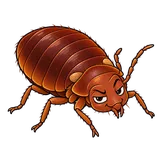
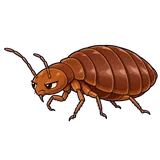
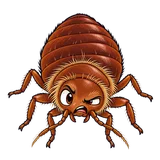
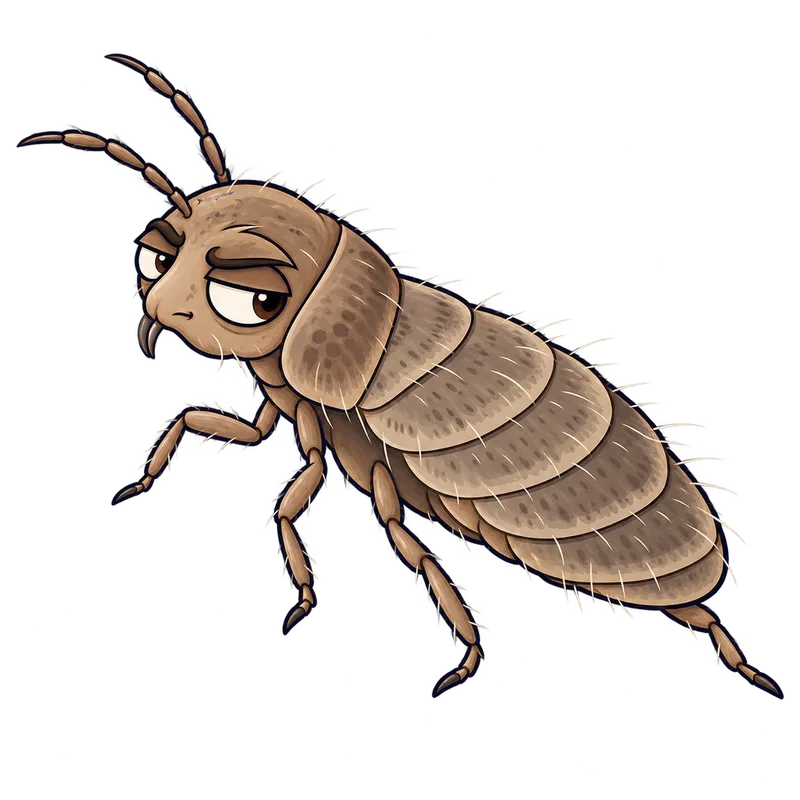
Finding a cluster of tiny, flat bugs crawling near a window frame in spring can ruin your morning coffee. You might immediately think of bed bugs, but if your house features mud swallow nests under the eaves, you are likely looking at swallow bugs. Telling them apart takes more than a glance. An adult swallow bug measures about 3/8 inch long, wearing a coat of short body hair over a red-brown to gray-brown, oval frame. To be certain what is on your wall, you need a 10x hand lens. Look at the last two segments of the antenna. On a swallow bug, segments three and four are nearly equal in length. Common bed bugs feature a terminal antennal segment that is noticeably shorter, almost half the length of the preceding one. Pronotal hair length behind the head also separates them, meaning smartphone photos are rarely enough for a firm diagnosis.
Habitat & behaviour
These creatures lead a life closely tied to the migratory habits of cliff swallows and barn swallows. Swallows build jug-shaped mud nests on natural cliffs or artificial overhangs like building eaves, bridges, and culverts. While the birds are present, swallow bugs stay tucked inside or around the nests, feeding on adults and nestlings. When autumn arrives, the swallows migrate south for the winter. Deprived of their hosts, the bugs crawl out of the mud nests and slip into nearby structural voids, siding gaps, and window frames. They stay dormant through the colder months without feeding. As spring approaches, long before the birds return, these starved bugs emerge from winter hiding spots and wander into human living quarters in search of a meal.
Visual variations
Swallow bugs follow an incomplete metamorphosis, moving from an egg stage through five nymphal instars before reaching adulthood, much like other members of the family Cimicidae. They do not live in organized colonies with specialized roles like workers or soldiers. Newly hatched nymphs are tiny and look straw-colored or nearly clear until they get their first meal. Every single nymphal stage requires at least one blood meal before it can shed its skin and grow into the next phase. Grown adults reach about 9.5 mm in length, carrying a flat oval body that darkens and swells up nicely after a heavy feeding. None of them ever develop functional wings. Instead, they carry small vestigial wing pads, meaning they have to crawl their way into your living room rather than fly.
Why it matters
When their preferred bird hosts are gone, swallow bugs will bite humans, leaving behind itchy skin reactions and localized discomfort. That does not mean they are setting up permanent camp in your mattress. A strict biological reality prevents them from becoming standard household pests, since swallow bugs cannot reproduce or survive long-term on human blood alone. Once the birds are gone, the bugs eventually perish on their own. Finding them indoors often causes panic, leading people to waste money on improper indoor pesticide treatments while leaving the exterior source untouched. Active bird nests holding eggs or live young enjoy full protection under federal wildlife laws, meaning you cannot legally knock down or spray occupied nests during the summer. Any physical exclusion and sealing work has to wait for the quiet window between October and early April after the birds have flown south.