
What are the signs of bed bugs in a hotel room?
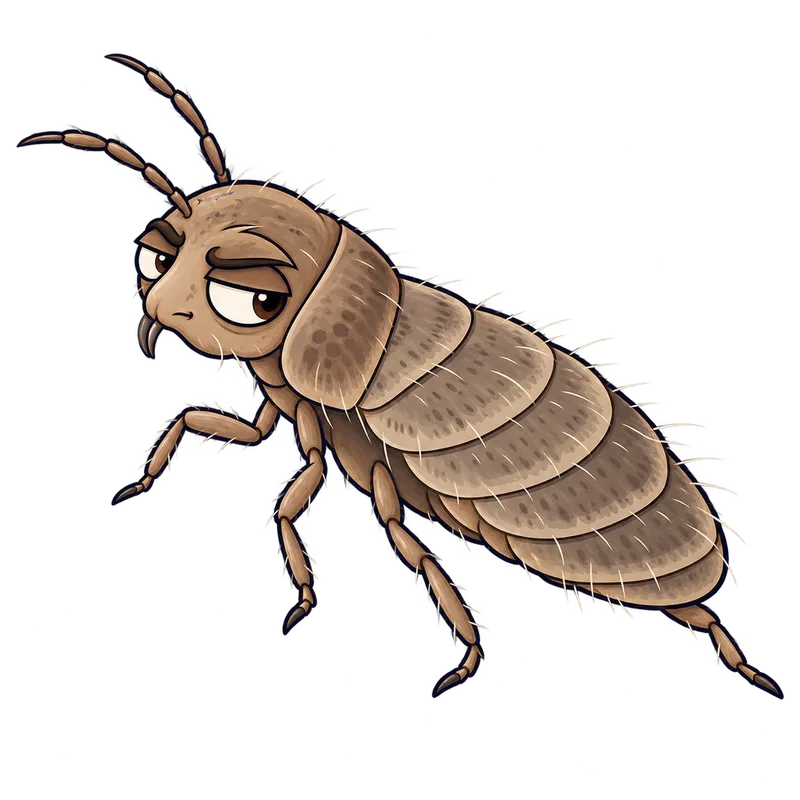
The reliable signs of bed bugs in a hotel room include live or dead oval insects, paper-thin tan shed skins, tiny pearl-white sticky eggs, rusty blood smears, and dark blackish-brown fecal speckling along fabric seams. Adult bed bugs are mahogany or reddish-brown and measure five to seven millimeters long.
What is actually going on
Drop your suitcase by the door, toss your jacket on the armchair, and flop onto the bed after seven hours on the highway. You reach around the pillow to find an outlet for your phone charger and notice a scattering of dark, tiny specks stuck along the piped seam of the mattress tag.
What you are looking at might be the early physical signs of bed bugs. The most reliable visual evidence in a hotel room includes live or dead oval insects, paper-thin tan shed skins, tiny pearl-white sticky eggs, rusty blood smears on the sheets, and dark blackish-brown fecal speckling along fabric seams or headboard joints that bleeds like wet ink when touched with a damp paper towel.
Bed bugs do not build nests or spin webs. They are nocturnal blood-feeding insects that spend daylight hours hiding in narrow structural cracks no wider than the thickness of a credit card. Because they prefer to stay within an eight-foot radius of where people sleep, their primary hiding spots in a hotel room follow a clear hierarchy. They congregate along mattress piping, box spring corner guards, bed frame joints, and especially wall-mounted headboards. In commercial lodging, wall-mounted headboards are frequently the initial point where an infestation takes hold.
It is easy to assume that bed bugs are a sign of poor housekeeping. Cleanliness actually has nothing to do with it. Bed bugs are drawn exclusively to human body heat, carbon dioxide, and skin lipids. A luxury resort is just as susceptible to hitchhiking pests as a roadside motel when a previous traveler brings them in on a suitcase. You might also hear that a room with bed bugs smells like sweet, acrid berries or old wet towels. While severe infestations can release a distinct scent, that odor is usually absent during early stages. Relying on your nose to judge a room is a quick way to miss a problem entirely.
How to tell for sure
Confirming bed bugs requires physical evidence rather than guessing. Adult bed bugs are flattened, wingless, mahogany or reddish-brown insects measuring five to seven millimeters long, roughly the size and shape of an unroasted apple seed. After a full blood meal, their bodies engorge, stretch out to nearly nine millimeters, and turn a much darker red. The young nymphs are smaller and lighter in color, starting out translucent or straw-colored at just one point five millimeters before growing through five developmental stages into larger juveniles.
As these nymphs grow, they shed their outer skins during five molts. They leave behind hollow, papery, tan husks that cling to fabric seams and wood cracks. Nearby, you might spot eggs. Bed bug eggs are tiny, pearl-white ovals about one millimeter long that females glue securely to surfaces in small clusters. Under a bright flashlight, viable eggs close to hatching often show tiny dark red eye-spots inside.
The most common sign you will encounter is fecal speckling. Digested blood excrement looks like small, raised, blackish-brown dots clustered along mattress seams or behind headboard panels. You can easily distinguish bed bug droppings from cockroach waste using the damp cloth test. Take a wet paper towel and press it gently against the dark spots. Bed bug fecal material consists of processed blood, so it will dissolve and run reddish-brown like dark fountain pen ink. Cockroach droppings remain solid, dark, and gritty.
One thing you should never rely on for identification is a bite mark on your skin. Trying to identify bed bugs from bumps, rashes, or itchiness is unreliable. Up to thirty percent of people experience no skin reaction at all after being bitten. Others develop delayed, itchy red welts days after exposure. Flea bites, mosquito bites, scabies, and contact dermatitis can look identical to bed bug bites. Medical professionals and pest control specialists cannot confirm an infestation based on skin lesions alone. Physical specimens or fecal evidence are mandatory.
You should also keep potential look-alikes in mind. Bat bugs and swallow bugs look nearly identical to common bed bugs to the naked eye. Bat bugs enter upper-floor rooms when bat roosts in attics are disturbed. Telling them apart usually requires magnification to examine the fringe hairs on the upper thorax. If you find fast-moving, shiny insects with long tail filaments, you are dealing with German cockroach nymphs. Bristly larvae feeding on fabric are carpet beetle larvae, which do not feed on blood or bite humans.
What usually comes next
Once you spot physical signs of bed bugs in a hotel room, staying calm and acting methodically stops you from bringing the problem home or sharing it with the next guest.
Start by thinking about where you put your bags the second you walk through the door. Never dump suitcases, coats, or backpacks straight onto the bed, the carpet, or a soft armchair when you first arrive. Keep all your luggage high up on a hard, plastic or metal surface, like a folding luggage rack or even the tile floor in the bathroom, while you check the bed and headboard. Zip your suitcases shut every time you are done pulling out a shirt or a pair of socks.
If you find actual bugs, empty shells, or that dark ink-like poop during your check, grab a photo or press a piece of clear tape over a specimen to save it. Go talk to the front desk right away and ask for a different room. Make sure the new room they give you is not right next door, directly above, or immediately below the bad one. Bed bugs crawl through shared wall spaces and pipe chases, meaning the room right next door is often already compromised.
When you finally get back home from your trip, unpack your bags out in the garage or the laundry room instead of throwing everything onto your bedroom floor. Toss every piece of washable clothing straight into the dryer and run it on medium or high heat for at least thirty minutes. Dry heat over one hundred twenty degrees Fahrenheit cooks and kills every stage of a bed bug, eggs included, right on the spot. Wipe down your suitcases or shine a flashlight along the inner zippers and seams to make sure nothing hitched a ride.
Never try to treat a hotel room yourself with store-bought chemical cans. Total-release bug bombs are completely useless against bed bugs because the mist never reaches deep into the tight cracks where the bugs hide. Those chemical cans just upset the insects and drive them deeper into the walls or into neighboring rooms. Spraying rubbing alcohol, bleach, or random liquids around hotel furniture is also a terrible idea, since it creates fire hazards and dangerous fumes without actually solving the infestation.
When to get help
Hotels need proper professional help from certified, licensed pest control experts. Management has to lock down the room immediately and bring in a licensed pro to do a real inspection. Commercial treatments usually rely on a mix of heavy-duty vacuuming, high-heat steamers, dust treatments inside wall voids, and special mattress covers.
If the inspection shows that you are dealing with bat bugs or swallow bugs instead of regular bed bugs, the hotel has to call in wildlife control before doing anything else. Bats and migratory birds like swallows are protected by wildlife laws. Trying to chase off roosting bats or clear out active bird nests without a permit is against the law. Wildlife pros have to clear out the animal hosts first before pest control can handle the bugs left behind.
If you are dealing with your own skin reactions, talk to a doctor or an urgent care clinic if the bites get terribly swollen, painful, or look infected from scratching. Bed bugs do not carry human diseases, but torn skin can easily lead to a secondary bacterial infection. In rare cases where someone has a severe allergic reaction with trouble breathing, facial swelling, or full-body hives, head straight to an emergency room.