
Can bed bugs live in a car, and what should you check?
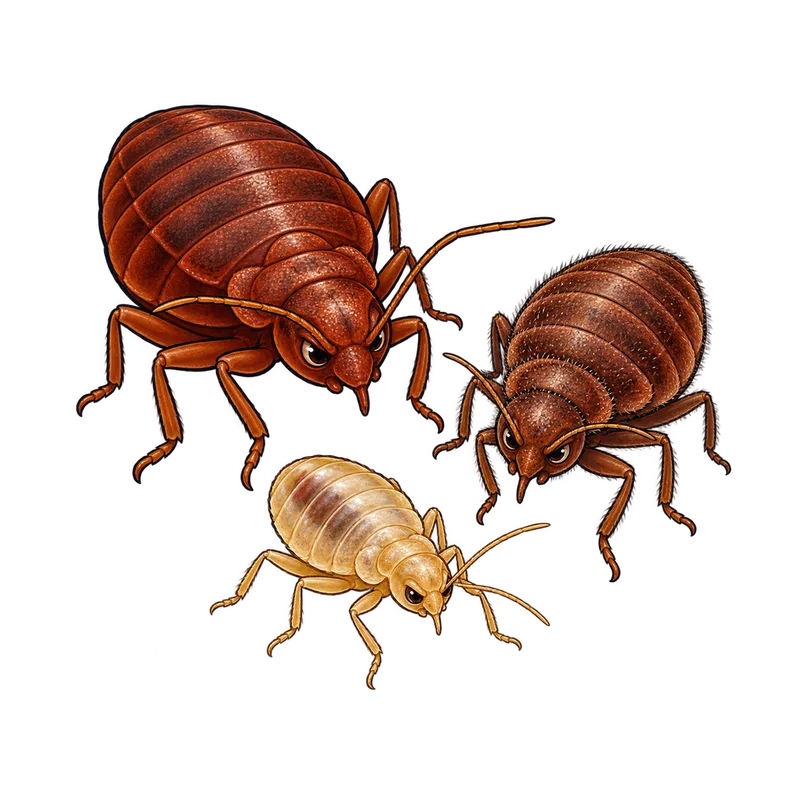
Yes, bed bugs can live and hide in a car, mostly in tight spaces like seat seams and floor mat edges. To check your vehicle, look for adult bugs that measure about five to seven millimeters long, along with dark ink-like stains and tiny shed skins.
What is actually going on
You throw your suitcase into the back seat after a long weekend away, completely unaware that the hotel room you stayed in had uninvited guests. A few days later, you notice small, itchy bites on your arms, and a cold dread settles in as you wonder if the problem has hitched a ride into your vehicle. It feels like an impossible stretch, but the short answer is yes, bed bugs can live and hide in a car.
Vehicles are rarely where these insects set up permanent, thriving dynasties because they prefer a steady, stationary host who stays put for hours at a time. Yet cars do offer plenty of tight, dark spaces where a stray traveler can lay low after coming in on luggage, backpacks, thrift store finds, or work gear. They do not fly or jump, so they have to be carried inside by someone or something coming from an already infested space.
Once inside, they rely on a flat, oval body shape that lets them slide into gaps no thicker than a credit card. You will usually find them tucked away in places where you spend the most time sitting or where fabric meets metal. Seat seams, piping, the narrow slots where seatbelts retract into the pillars, floor mat edges, and trunk liners all provide ideal hiding spots.
The climate inside a car also dictates whether they merely survive or manage to hang on for the long haul. Under comfortable cabin temperatures, an adult can live for a couple of months without a meal, meaning a vehicle parked in a garage or driven daily can sustain them far longer than you might hope.
Bed bugs are obligate blood-feeders, meaning they survive exclusively on blood and locate their human hosts by sensing body heat, carbon dioxide, and skin odors. They do not burrow into skin or live on your body, but instead crawl out from their hiding spots to feed for a few minutes before retreating back into tight, dark crevices. In a motor vehicle, these harborages are usually concentrated around the passenger seating areas where occupants remain still for extended periods.
While people often wonder if the scorching heat of a parked summer car will automatically solve the problem, the reality is more complicated. Although extreme heat above one hundred twenty degrees Fahrenheit is lethal to bed bugs at all life stages, a closed car parked in the sun often heats unevenly. The dashboard might get blistering hot, but shaded spots underneath seats, inside glove boxes, or deep within foam cushions can stay cool enough for the bugs to survive.
How to tell for sure
Trying to track down bed bugs in a car is a lot like hunting for a lost earring or a dropped coin in the dark, and you usually need a bright flashlight and a thin plastic card to probe the tightest crevices. An adult bed bug measures about five to seven millimeters long, which is roughly the size of an apple seed or a small lentil, and has a mahogany brown color when unfed. Newly hatched nymphs start out much smaller, looking like tiny poppy seeds, while their pearl-white eggs are about the size of a pinhead.
Do not rely on bites to confirm what you are dealing with, because skin reactions vary wildly from person to person and often mimic mosquito bites or contact dermatitis. Instead, look for physical evidence. You can run a thin card along the piping of your car seats and check the folds of fabric where the backrest meets the seat cushion.
Spotting dark ink-like stains on upholstery or seatbelt webbing is another major giveaway. You can test these suspicious spots by taking a damp cotton swab or tissue and dabbing the mark, as bed bug waste will typically dissolve and smear into a reddish-brown smudge. You might also find tiny, paper-thin translucent husks that nymphs shed as they grow, or even tiny white eggs glued deep inside fabric folds.
If you do find a specimen, keep in mind that you usually need magnification to separate a true bed bug from a bat bug, which sometimes wanders down from an attic or garage roof into a vehicle parked underneath a roost. A basic magnifying lens will show whether the fringe hairs on the insect's middle body segment are shorter than its eye width, which points to a bed bug, or equal to it, which suggests a bat bug.
What usually comes next
When you suspect or find evidence of bed bugs in your car, your next move should be a thorough, systematic cleaning session combined with physical removal rather than a trip to the store for a total-release fogger. Those aerosol bug bombs you see on shelves are completely useless inside a car cabin, as the mist settles only on open surfaces and fails to reach deep inside seat seams where the bugs hide. Worse yet, propellant chemicals create a serious fire hazard in closed spaces and tend to drive surviving insects deeper into hidden dashboard crevices.
Instead, choose a direct physical approach by taking removable floor mats, seat covers, and any loose fabric items out of the car and running them through a high-heat laundry cycle or placing them directly into a household clothes dryer on high heat for at least thirty minutes. For the vehicle interior itself, take a vacuum fitted with a narrow crevice tool and meticulously work your way along every seat seam, carpet edge, and belt anchor point.
If you want to add an extra layer of non-chemical security, using a commercial dry steam machine on upholstery crevices can deliver temperatures high enough to kill both bugs and eggs on contact. You will want to move slowly along the fabric, giving the steam time to penetrate deep fibers without soaking your car seats. Once you finish vacuuming, immediately seal the vacuum contents or disposable bag in an outdoor trash bin to prevent any escapees from finding their way back inside.
When to get help
There comes a point when cleaning methods run out of steam, and you need to know when to hand the keys over to someone else. If you have thoroughly vacuumed and treated your vehicle but continue to find live bugs across multiple seat rows or notice new bites after every commute, it is time to contact a licensed pest management professional. These specialists have access to specialized commercial heating equipment and professional tools that can safely bring a vehicle interior up to the high sustained temperatures required to achieve complete lethality across all life stages without damaging your car electronics or interior trim.
On the health side, bed bug bites can cause uncomfortable itching, redness, and localized swelling. You can usually manage these symptoms at home using cold compresses and over-the-counter anti-itch creams or oral antihistamines. However, if intense scratching leads to broken skin that becomes painful, hot to the touch, or begins discharging pus, you should consult a licensed clinician or visit an urgent care center to rule out a secondary bacterial skin infection.
There are also specific situations involving wildlife that require outside intervention. If you discover that the insects in your car are actually bat bugs originating from bats roosting in your garage or under your porch roof, you cannot simply treat the car and call it a day. Because bats are legally protected wildlife in many regions and can carry rabies, you must never attempt to handle or exclude them yourself. Instead, reach out to a licensed wildlife control operator or your local natural resources agency to handle the bats safely and legally before worrying about the vehicle.