
How do bed bugs spread in an apartment building?
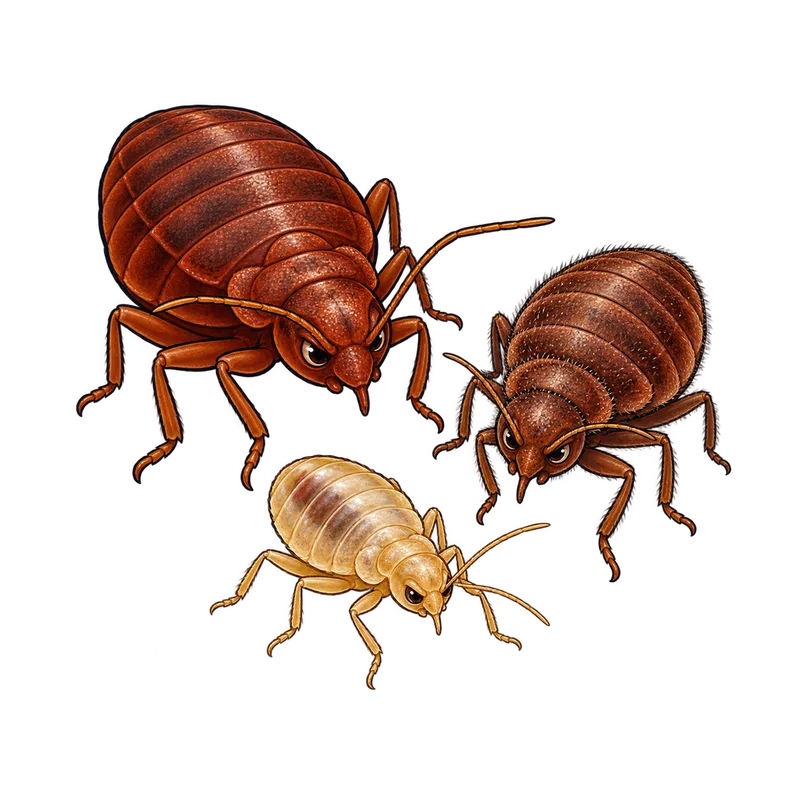
Bed bugs spread in an apartment building by crawling through shared structural gaps like wall voids, plumbing pipe chases, and electrical conduits. They also spread passively when hitchhiking on items such as laundry baskets, luggage, and furniture moved between units and shared spaces.
What is actually going on
You are sitting on your living room sofa on a quiet Tuesday evening, and your phone buzzes with a group chat message from the tenant down the hall. Someone three doors down just found bed bugs, and suddenly every itch on your ankle feels suspicious. You start wondering how an insect that cannot fly or jump managed to cross a concrete hallway and set up camp in your building. The short answer is that bed bugs spread through apartment buildings in two ways: they crawl through shared structural gaps under their own power, or they hitch a ride on items you or your neighbors move from room to room.
In a multi-family building, apartments share more than just a street address. They share wall voids, electrical conduit lines, plumbing pipe chases, and heating ducts. When a population grows too large in one unit, or when a host stops sleeping in a bed, bed bugs start wandering. They crawl along baseboards, slip through the tiny gaps around plumbing pipes under the sink, or travel through electrical boxes back-to-back in shared walls. An adult bed bug can travel a surprising distance in a single night when it is looking for warmth and a meal, which means a problem on the third floor can easily migrate to the second floor via utility penetrations without ever stepping foot in the hallway.
The other major vehicle for spread is human routine. Bed bugs are expert hitchhikers. They hide in laundry baskets carried down to shared basement washrooms, stow away in secondhand armchairs bought online, or crawl into luggage during a weekend trip and then unpack themselves onto your bedroom floor. This passive transport explains why an immaculate apartment can end up with an infestation just as easily as a cluttered one. They do not care about cleanliness, they care about proximity to a warm body.
This movement turns multi-family buildings into interconnected networks. When management treats only one apartment while ignoring the units directly above, below, and on either side, the bugs simply retreat into the walls or slip next door. To make matters worse, people often panic and set off store-bought aerosol foggers. These devices release a fine mist that settles in the open room but never reaches deep inside wall voids or mattress seams. Instead of killing the bugs, the chemicals irritate them, driving them away from the treated room and straight through electrical outlets into your apartment.
Bed bugs move between adjoining living spaces by exploiting the hidden pathways built into multi-unit housing. Active dispersal happens when bugs crawl along baseboards, follow carbon dioxide gradients, or escape overcrowded harborages, slipping through gaps around plumbing pipes, electrical outlets, and wall voids. Passive dispersal relies entirely on human movement. Items such as moved furniture, shared laundry facilities, and luggage act as transit systems, carrying insects and eggs across building boundaries. When one resident leaves an infested unit vacant, the lack of a host causes the remaining bed bugs to migrate outward into neighboring apartments in search of a meal.
How to tell for sure
Before you start tearing your bedroom apart, you need to know what you are actually looking at. It is usually a mistake to rely on skin marks alone. People react differently to bites, and a red bump on your arm could just as easily come from dry air, laundry detergent, or a stray mosquito. True confirmation requires physical evidence, and that means finding the bugs, their shed skins, or their droppings.
An unfed adult bed bug is about the size and shape of an apple seed, measuring around 5 to 7 millimeters long, with a flat, oval, brownish body. After they feed on blood, they swell up and elongate into a reddish-brown shape that resembles a grain of cooked wild rice. Young nymphs start out tiny and translucent, looking almost like pinhead-sized grains of straw until they take their first blood meal. You will usually find them tucked away in tight, dark spaces where they can press their bodies against two surfaces at once, such as mattress seams, the wooden corners of box springs, behind headboards, or along the groove of a baseboard molding.
You should also keep an eye out for telltale stains. Bed bugs leave small, dark brown or black spots of digested blood on fabric and wood surfaces. If you want to check a suspicious mark on a mattress seam, dab it gently with a damp cotton swab or a wet paper towel. Real bed bug excrement will dissolve and smear like fresh fountain pen ink. You might also spot translucent yellow-brown exoskeletons that the bugs shed as they grow through their five developmental stages, or tiny pearl-white eggs glued tightly into fabric creases.
If your apartment sits near an attic or a chimney, you might run into a look-alike insect known as a bat bug. These pests look nearly identical to common bed bugs and feed on blood, but they prefer bats to humans. When bats leave an attic or get shut out of a building, bat bugs wander down into living areas looking for a new meal. Telling them apart requires a close look under magnification, usually measuring the tiny fringe hairs on the shield behind the head to see if they are shorter or longer than the width of the bug eye. Because bat bugs cannot survive and reproduce on human blood alone, treating them like a standard bed bug infestation will fail unless you find and fix the underlying bat roost.
What usually comes next
When you suspect or confirm bed bugs have arrived from elsewhere in the building, your most important practical decision is to stop treating the symptoms with retail sprays and focus entirely on isolating your sleeping area. Avoid the temptation to throw away your mattress, since dragging an untreated bed down the hallway usually sheds bugs all over the carpet and worsens the building-wide problem. Instead, focus on creating a secure zone where bed bugs cannot reach you while you arrange for professional treatment.
Start by pulling your bed frame at least a couple of inches away from the wall and any nearby nightstands. Make sure your blankets, sheets, and comforters are tucked in tightly and never drag on the floor, which acts as a bridge for crawling insects. Next, install certified, bite-proof zippered encasements over your mattress and box spring. These covers trap any bugs already inside so they cannot escape or bite you, and they smooth out the complex folds and seams where pests love to hide. Finally, place smooth plastic interceptor dishes under every leg of your bed frame. These dishes catch bugs trying to climb up from the floor, and they give you a clear diagnostic sign of whether pests are coming from the building structure or descending from somewhere nearby.
When to get help
Bed bug infestations in multi-family housing are rarely solved by do-it-yourself methods because the insects do not respect apartment boundaries. If you live in an apartment building and find an infestation, you need to notify your landlord, property manager, or strata council immediately so they can coordinate a licensed pest management professional to inspect your unit and all adjoining units on the same floor, above, below, and across the hall. Ignoring the problem or trying to handle it alone with retail cans allows the population to multiply and spread back through the walls.
There are also times when you need to step outside the realm of pest control and seek medical care. While bed bug bites do not transmit diseases, heavy scratching can break the skin and lead to secondary bacterial infections. If your skin shows signs of severe swelling, blistering, or spreading redness, or if the bites become painful and pus-filled, consult a physician or visit a healthcare clinic right away. Do not try to diagnose skin reactions yourself.
If your investigation reveals that bat bugs or bird bugs are entering your living space from an attic, chimney, or exterior vent, legal protections come into play. Bats and many nesting birds are protected by wildlife statutes, meaning you cannot legally harm, move, or exclude them without permits or during restricted seasonal windows. In this situation, you need a professional wildlife control operator to handle the animal exclusion safely and legally before any structural pest control work can succeed in your living quarters.