
What are little brown bugs in a bed?
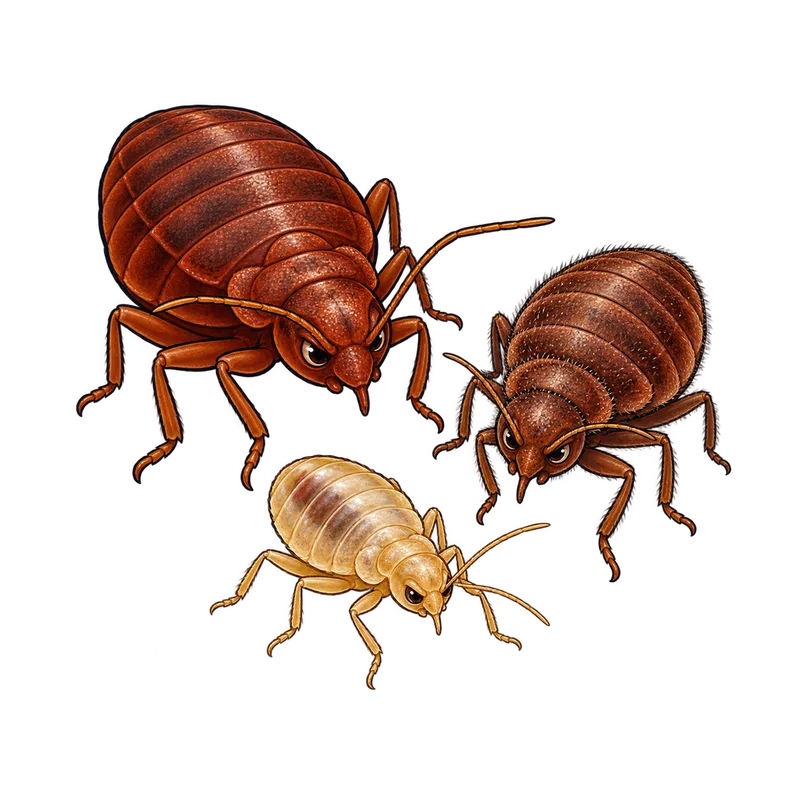
Little brown bugs in a bed are usually bed bugs or carpet beetles, but they can also be bat bugs, fleas, book lice, or tiny cockroach nymphs. The correct identification depends on what the insect is after, since bed bugs seek a blood meal while carpet beetles feed on animal-based fibers.
What is actually going on
You pull back the duvet on a lazy Sunday morning, squint at the fitted sheet, and spot something small, dark, and moving. Naturally, your stomach drops. You lean in close, poke at it with a fingernail, and wonder how on earth it got there. Finding little brown bugs in a bed usually points to one of two common household visitors, though a few other tiny critters can also end up between the sheets. The primary suspects are bed bugs or carpet beetles, but you might also be looking at bat bugs, fleas, book lice, or tiny cockroach nymphs.
Before you start trashing your furniture, you need to understand what you are dealing with. Bed bugs are flat, reddish-brown, wingless insects about the size of an apple seed when fully grown, though hungry nymphs can start out tiny and translucent. They are built to hide in narrow gaps where their top and bottom sides touch wood, fabric, or paper. Carpet beetles are a different story altogether. Their adults are small and oval, while their larvae look like tiny, bristly, carrot-shaped caterpillars covered in brown hairs.
Why are they in the bed in the first place? Bed bugs are after a blood meal and naturally cluster where humans sleep, while carpet beetles are looking for animal-based fibers like wool, feathers, pet dander, or shed human skin flakes that accumulate in mattress seams. Because several of these bugs look roughly similar to the naked eye, relying on a quick glance or assuming a bug is a bed bug just because it is brown can lead you down the wrong treatment path entirely.
How to tell for sure
A positive identification usually requires looking at the insect under some form of magnification, such as a 10x hand lens or a pocket microscope. If you are examining a bed bug, you are usually looking for a broad, flat, oval body that turns a deeper reddish-black after feeding. But resemblance can trick you. For instance, bat bugs look almost identical to bed bugs under a casual glance, yet their neck shield features hairs that are visibly longer than the width of their compound eyes. If you have bat bugs instead of regular bed bugs, spraying the mattress frame will accomplish nothing until you address the roosting bats in your attic.
Carpet beetles are usually easier to separate from blood-feeders once you look closely at their life stages. The fuzzy, bristly larvae do not bite humans, but their shed hairs often cause itchy skin reactions that people mistakenly blame on bed bugs. If you spot tiny, fast-moving, cream-colored insects that look like dust specks rather than round beetles, you might have book lice feeding on microscopic mold in damp mattress ticking.
One common trap to avoid is trying to identify the pest from skin bite marks alone. Human skin reactions to insect saliva vary wildly from person to person, and initial symptoms can be delayed by nearly two weeks. That means a rash or bump on your skin tells you nothing reliable about what kind of bug caused it, or even where the exposure happened. You need to catch and inspect the actual physical specimen.
What usually comes next
Your most practical first decision is to stop guessing and capture an intact specimen for a proper look. Grab a flashlight, a plastic card to probe mattress creases, and a piece of clear tape to gently trap a bug without squishing its diagnostic features. If you are trying to vacuum them up without spreading an infestation or contaminating your machine, slip a knee-high nylon stocking inside your vacuum wand, secure the top over the rim, and vacuum the bugs straight into the mesh. You can then tie off the stocking and drop it into soapy water.
Once you have a clear look at the bug under a magnifying glass, you can choose your next step based on facts rather than panic. If you find carpet beetle larvae grazing on lint and wool, your focus shifts to deep cleaning and removing those natural fibers. If you confirm bed bugs, your strategy pivots to thermal laundering of bedding, installing zippered mattress encasements, and checking every crack in the bed frame. Skipping the physical identification step usually means wasting time and money on treatments that do not match the pest living in your room.
When to get help
There are moments when handling the situation yourself stops being practical and you need to bring in outside help. If you have severe skin lesions, open scratches from itching that show signs of infection, spreading redness, or systemic allergic symptoms, you should consult a primary care physician, an urgent care clinic, or poison control right away.
You also need to step back and call a licensed pest management professional when the infestation moves beyond a single bed frame, when you are dealing with multi-unit housing where pests travel through shared walls and utility lines, or when the structure involves complex furniture that is difficult to inspect. Professionals are also required when your insect specimens turn out to be bat bugs linked to an active wildlife colony in your roof, which calls for specialized legal exclusion methods before any treatment can succeed.